
All articles by Drug Target Review – Page 26
-
 Article
Synthetic promoters enhance gene therapy precision
Discover how Chromatin Bioscience’s synthetic promoters are transforming gene therapy by enhancing precision, boosting safety and improving manufacturing efficiency.
-
 News
NewsLab-grown liver breakthrough could speed up drug development
Scientists have developed lab-grown liver organoids with functional zonation, a discovery that brings regenerative medicine a step closer to personalised, transplant-free liver therapy.
-
 Article
Driving diversity and leadership in the biotech industry
Judy Ashworth, CMO of Novadip Biosciences, shares her journey in advancing treatments for rare paediatric conditions and championing diversity in STEM.
-
 News
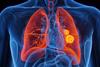
NewsAdvanced test predicts ALK inhibitor success in lung cancer
Researchers have developed a test that accurately predicts whether patients with ALK-positive lung cancer will respond to targeted treatments. This could significantly enhance personalised cancer therapies and overcome treatment resistance.
-
 News
NewsBone repair breakthrough: why men and women heal differently
Men and women heal bone injuries through distinct biological processes, challenging assumptions in regenerative medicine. The findings support the development of personalised implants and more effective, sex-specific treatment strategies.
-
 News
NewsOutsmarting cancer by exploiting DNA repair flaws
Researchers at ETH Zurich in Switzerland have mapped the complex network cells use to repair their genetic material, revealing previously hidden vulnerabilities in cancer cells.
-
 Article
Next-gen ADCs: Tubulis sets new standard in cancer treatment
Tubulis, led by CEO Dominik Schumacher, is advancing cancer treatment through next-generation antibody-drug conjugates (ADCs) designed to target solid tumours more effectively. Find out how the company is rapidly progressing its ADC pipeline to offer more precise and lasting treatment options for patients.
-
 News
NewsFibril 'fuzzy coats' boost Parkinson’s protein spread
New research reveals that the flexible ‘fuzzy coat’ surrounding α-synuclein fibrils plays a critical role in how Parkinson’s disease spreads between brain cells.
-
 News
NewsNew study identifies key immune cells that prevent food allergies
A specialised group of immune cells in the gut has been found to prevent allergic reactions - a discovery that could lead to new treatments for allergies and autoimmune diseases.
-
 Article
LB-102: Redefining schizophrenia treatment in drug discovery
Find out how LB Pharmaceuticals' LB-102 is advancing schizophrenia treatment. This first-in-class antipsychotic demonstrates strong efficacy, safety and tolerability, potentially addressing both acute and negative symptoms. Explore its potential impact on neuropsychiatric drug discovery.
-
 Article
Pioneering cellular therapies for age-related diseases
Discover how Immorta Bio's cellular therapies are addressing cancer and liver failure, with the potential to transform healthcare.
-
 News
NewsReprogramming gut cells to treat short bowel syndrome
A preclinical study conducted by researchers at Weill Cornell Medicine have demonstrated a new gene-editing strategy to treat short bowel syndrome (SBS), a life-threatening condition in which patients lack a functional small intestine.
-
 News
NewsPromising psoriasis treatment reduces symptoms without steroids
A team of scientists from the University of Birmingham has discovered a powerful new treatment for psoriasis. The treatment uses a tripeptide that has shown steroid-level effectiveness in reducing symptoms, offering fresh hope for the long-term management of this chronic skin condition.
-
 News
NewsKey PKD findings could accelerate development of new treatments
Rutgers researchers have discovered new insights into how polycystic kidney disease (PKD) progresses, which could lead to more targeted treatments. This breakthrough may help improve therapies for PKD patients in the future.
-
 News
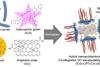
NewsBacteria-boosted nanoparticles offer a triple threat against cancer
A new cancer therapy combines multiple treatment strategies into a single graphene oxide-based nanocomposite. It uses bacterial components to enhance immune response and scalability, creating a powerful and cost-effective approach to tackling tumours.
-
 News
NewsNew leadership at ELRIG aims to expand collaboration across drug discovery
ELRIG, a UK-based scientific community driving innovation in drug discovery, has appointed biopharma leader Dr Del Trezise as its new Chair - signalling a bold new chapter for the organisation.
-
 Article
Spirulina’s role in shaping the future of preventative biologics
From law to biotech, Brian Finrow's career path has been anything but conventional. As Co-founder and CEO of Lumen Bioscience, he’s steering the company’s innovative approach to drug discovery, focusing on preventative biologics that offer scalable, cost-effective solutions. Find out how Finrow's unique spirulina-based platform is changing the way we ...
-
 News
NewsStudy aims to stop Alzheimer’s with stem cell infusions
Researchers at UTHealth Houston have initiated a new stem cell therapy trial aimed at reducing neuroinflammation to prevent Alzheimer's disease before symptoms emerge, an approach that could revolutionise treatment strategies, offering new hope for at-risk individuals.
-
News
Identifying a new target for metabolic liver disease treatment
Scientists have identified protein tyrosine phosphatase delta (PTPRD) as a key regulator of liver metabolism, offering a potential new drug target for treating metabolic liver diseases like MASLD and MASH.
-
 Article
Gylden’s gold platform trains T cells to kill viruses
What if vaccines could train your immune system to eliminate infections at the source? Find out how Gylden Pharma’s gold nanoparticle platform delivers targeted T cell immunity - providing a precise and durable defence against complex infectious diseases.