



All In Vitro Testing articles – Page 6
-
News
Macrophage-mediated phagocytosis: treating solid tumours
A new immunotherapy approach combining co-engineered T cells and antibodies enhances phagocytosis of tumour cells.
-
 News
NewsNovel version of CRISPR gene-editing protein engineered
Researchers have developed a new, compact EbCas12a variant that can be packaged into an all-in-one AAV system with its crRNA.
-
 Article
Improving treatment responses to solid tumours with trispecific TCEs
Following Zymeworks’ presentation at AACR 2024, in this Q&A, Dr Nina Weisser explains how the next generation trispecific T cell engager platform with integrated CD28 costimulation is engineered to tackle solid tumours.
-
 Article
Enhancing gene therapy with Circio
In this Q&A, Erik Wiklund, CEO of Circio, explains the key findings of their circVec circular RNA platform technology, why they chose AAV-based gene therapy for AATD as the lead programme, and their plans for the future to enhance the potency and reduce the cost of current gold-standard gene therapy. ...
-
 News
NewsOvarian cancer: CBR-5884 demonstrates promising antitumour effects
In assays and patient-derived organoids, the small molecule inhibitor CBR-5884 successfully treated epithelial ovarian cancer.
-
 News
NewsHow gKetoC alleviates intestinal inflammation
Through in vitro and in vivo models, researchers find a mechanism by which bacteria-generated fatty acids regulate immune responses.
-
 Article
Assay design for Alzheimer’s disease: key considerations and emerging trends
In this Q&A, we speak to Dr Emma Murphy, Head of Biology at the Alzheimer’s Research UK Oxford Drug Discovery Institute. Among her many insights, she discusses how the challenges in developing reproducible assays can be addressed, as well as strategies used to translate promising findings into clinically relevant tools ...
-
 News
NewsThe effect of ovarian stimulation on IVF outcomes
In mouse models, the differences between oocytes collected by natural or stimulated approaches were investigated.
-
 News
NewsExploring the conditions in which pathological 4R tau misfolds
Researchers have presented new findings that offer potential pathways to arrest critical steps toward the accumulation of mutant tau.
-
 News
NewsNew treatment for metabolic dysfunction-associated steatohepatitis
The compound 11c demonstrates an excellent safety profile and is an exciting advancement in liver disease management.
-
 News
NewsBlastoids enable greater understanding of human gastrulation
Stem-cell based blastocyst models have enabled scientists to redefine the molecular signature and timing of the onset of gastrulation.
-
 News
NewsIn vitro gametogenesis: a novel approach
Scientists have reported a promising technique, based on somatic cell nuclear transfer, to treat infertility.
-
 News
NewsRecurrent urinary tract infections: potential cause discovered
Researchers find that an overgrowth of nerve cells in the bladder could cause rUTIs, which may offer new approaches to manage symptoms.
-
 Webinar
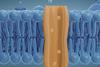
Ion Channel Drug Discovery - Recent Advances in Novel Non-Opioid Pain Research
Watch this webinar to learn about recently published research toward the advancement of non-opioid analgesics targeting the Nav1.8 ion channel, a validated pain target primarily found in peripheral nociceptors.
-
 News
NewsKey insights into vaccine development for herpesviruses
Researchers found that the D48 antibody neutralised HSV-1 virus infection, which could lead to broad-spectrum drug and vaccine development.
-
News
Improved CAR T-cell immunotherapy for acute myeloid leukaemia
Researchers have created dual-targeted CARs, which performed better than single-targeted CARs in both in vivo and in vitro experiments.
-
 Whitepaper
MEA to probe ALS phenotypes in neuronal disease models
Explore an MEA workflow used to validate the ALS-relevant phenotype of precision reprogrammed iPSC-derived neuronal disease models of ALS from bit.bio
-
 Article
Mechanisms underlying pioneer TF-mediated gene repression
Researchers have made surprising and important findings that may influence organoid and cell reprogramming studies.
-
 News
NewsIPSCs used to study common genetic cause of chILD
Researchers observed many quantifiable differences between diseased cells made from affected children and their gene-edited cells.
-
 Whitepaper
Article: Tips and Tricks for Leveraging Advanced Flow Cytometry
Tips and tricks for fully leveraging Advanced Flow Cytometry.