



All Monoclonal Antibodies articles – Page 3
-
 Article
PDX models are back – and they’re exposing what cell lines missed
As cancer drugs continue to fail in translation, researchers are turning back to patient-derived xenograft (PDX) models – this time with better science. Could they be the missing link between the lab and the clinic?
-
 News
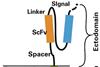
NewsAnti-linker antibodies: a universal key for CAR-T detection
Every new CAR-T needs a new detection tool – until now. Anti-linker antibodies could change how researchers develop and track these therapies.
-
 Article
Lab of the future: four technologies to watch
From precision proteomics to AI-powered immune profiling, next-generation laboratory technologies are changing how new therapies are discovered and developed. Here are four innovations set to shape the lab of the future - and the future of drug discovery.
-
 News
NewsThree powerful antibodies discovered with potential to treat mpox
Researchers at Mount Sinai have identified three antibodies that target mpox and prevent severe disease in vivo. The work positions A35-specific antibodies as candidates for therapeutic development.
-
 News
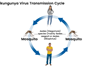
NewsChikungunya’s 2025 surge sparks urgent research response
The 2025 chikungunya outbreak has surged from the Indian Ocean to Europe, prompting an urgent global research response. With no antivirals and limited vaccine access, laboratories and biotech firms are under pressure to deliver solutions fast.
-
 Article
How to select the optimal bispecific antibody format for therapeutic success
Choosing the right bispecific antibody format can make or break your therapy’s success. This article explores how format impacts function, manufacturability and development strategy - helping you make the best choice from the start.
-
 News
NewsHow to select the optimal bispecific antibody format for therapeutic success
Discover the key scientific, strategic and manufacturing factors that could decide whether your bsAb succeeds in the clinic or stalls in development.
-
 Article
Challenges in developing robust potency assays for ADCs
Developing robust potency assays for Antibody-Drug Conjugates (ADCs) is crucial for ensuring their clinical success, but designing assays that meet both technical and regulatory standards is challenging. Here, Abzena’s CSO Campbell Bunce explores the complexities of assay development and the importance of ensuring accuracy, consistency and regulatory alignment for ADCs ...
-
 Article
Lupus reimagined: targeting the cause, not just the symptoms
Engineered cell therapies are offering a potential new way to treat lupus – not by suppressing symptoms, but by reprogramming the immune system itself. For the first time, lasting remission looks like a real possibility.
-
 Article
Why most T-cell engagers fail - and how to fix it
Bispecific T-cell engagers are advancing fast - but complexity still slows development. This article explores how data-driven, platform-based strategies are helping overcome design and manufacturing hurdles to bring these next-gen therapies to patients faster.
-
 Article
Antibodies come full circle: biopharma back at the bench
Recombinant antibody technology is redefining research standards - bringing biopharma-grade precision, consistency, and customisation to the lab. Discover how advances like Fc engineering and chimerisation are accelerating progress from basic discovery to clinical insight.
-
 Article
From lab to clinic: the rise of Radio-DARPins in oncology
As radioligand therapy continues to show promise, its application in solid tumours remains limited by long-standing biological challenges. In this interview, Julien Torgue, CSO at Orano Med, discusses a new collaborative platform – Radio-DARPins – and how it could help overcome key barriers to clinical progress.
-
 Webinar
Innovating Obesity Drug Discovery: Trends, Challenges, and Translational Strategies
Facing roadblocks in obesity drug discovery? Discover how integrated, validated strategies are helping teams accelerate development and reduce risk.
-
 Article
Designing antibodies to think before they bind
Standard antibody therapies bind their target and trigger a response. But what if the real breakthrough is designing antibodies that first recognise context before they act? This article looks at how bispecifics are becoming smarter, more selective and more precise.
-
 Article
Outsmarting immune suppression through GPCR innovation
Immune resistance is one of cancer’s toughest tricks. By rethinking how we target GPCRs, scientists may finally have a way to modulate it with precision.
-
 Article
How dual-targeting ADCs aim to tackle resistance
Find out how dual-target ADCs and tumour-specific Treg depletion are shaping the next wave of targeted cancer therapies.
-
 Article
Future-proofing drug development with GenAI
Using GenAI and expert reasoning, drug developers can now explore an asset’s long-term potential as early as the preclinical stage. This shift is helping to reshape pipeline planning and refine therapeutic strategy.
-
 News
NewsBird flu is changing - AI might help us keep up
Researchers at the University of North Carolina at Charlotte have used artificial intelligence to look at how the H5N1 bird flu virus is evolving to evade the immune system - insights that could make way for development of effective future therapies.
-
 Article
Rethinking antibody discovery in the age of automation
James Atwood, COO of Opentrons, shares how accessible lab automation is helping research teams tackle tighter budgets, faster timelines and complex discovery workflows.
-
 News
NewsDual-action therapy clears MDR bacteria in preclinical models
Centauri Therapeutics has published data showing that CTX-09’s ability effectively clears drug-resistant Gram-negative bacteria through a novel dual mechanism, marking a promising development for new infection therapies.