



News – Page 16
-
 News
NewsOveractive neurons linked to schizophrenia-like behaviour
Scientists have identified an overactive brain cell type linked to schizophrenia-like symptoms in mice – a discovery that could lead to new, targeted treatments to prevent cognitive impairments.
-
 News
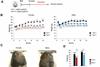
NewsTRF1 protein identified as potential obesity drug target
Researchers have discovered that removing a telomere-protecting protein, TRF1, makes mice leaner and metabolically healthier without shortening their telomeres, potentially leading to new methods for tackling obesity and age-related diseases.
-
 News
NewsSwallowable bioluminescent pill detects early signs of gut ischaemia
Scientists have developed an ingestible, light-emitting capsule that can detect life-threatening intestinal blood flow problems in their earliest stages. The device could offer doctors a faster and less invasive way to diagnose acute mesenteric ischaemia.
-
 News
NewsNew PET tracer could lead to better ALS and Alzheimer’s diagnosis
New preclinical data on ACI-19626, a first-in-class PET tracer for imaging TDP-43 pathology, shows potential to greatly improve early diagnosis and treatment of multiple neurodegenerative diseases.
-
 News
NewsHow AI and cell data combine to make drug discovery faster
Cellarity has published a new paper in detailing an AI-powered framework that integrates single-cell transcriptomics to make drug discovery faster and more successful.
-
 News
NewsNew compound blend reverses sugar damage to tackle ageing and obesity
Scientists have developed a compound blend that reverses sugar-related cellular damage in mice, which could lead to future therapies to slow ageing and treat metabolic diseases.
-
 News
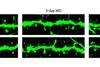
NewsBrain’s circHomer1 RNA offers insights for future neurological treatments
A circular RNA called circHomer1 has been found to play a vital role in forming and adjusting synapses in developing mouse brains, revealing an overlooked mechanism that helps visual neurons respond to changes in sensory input.
-
 News
NewsPulmonary fibrosis: new drug slows and reverses lung scarring
Researchers have identified a key cellular mechanism that drives pulmonary fibrosis and successfully blocked it in mice, reducing lung scarring.
-
 News
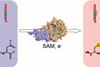
NewsEnzyme PapB could boost diabetes and obesity peptide drugs
Researchers have discovered an enzyme, PapB, that can ‘tie off’ therapeutic peptides into stable rings, which could help improve GLP-1 drugs for diabetes and obesity – making them more effective and longer lasting.
-
 News
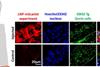
NewsNew mRNA therapy could inform future male infertility treatments
Scientists have restored sperm production in mice with a genetic form of male infertility using mRNA delivered via lipid nanoparticles, with the hope of informing future treatments for non-obstructive azoospermia.
-
 News
NewsStem cell liver model reproduces rare immune drug reactions
A new human liver organoid platform could help predict which drugs trigger dangerous immune reactions in susceptible patients.
-
 News
NewsSPIRAL device offers safer, smarter drug delivery to the brain
Scientists have created a flexible brain implant, called SPIRAL, capable of delivering drugs to multiple regions with pinpoint accuracy.
-
 News
NewsImproving brain resilience: Rab proteins and future treatments
New research has discovered how Rab proteins control the delivery of critical supplies to strengthen neural connections, providing researchers with important insights into memory formation and potential strategies for Alzheimer’s resilience.
-
 News
NewsMeta-Flux expands AI platform to speed up drug development
Dublin-based biotech Meta-Flux has raised €1.8M ($2M) in seed funding to expand its AI-driven platform for preclinical drug development, helping researchers predict drug success and accelerate the pathway from lab to clinic.
-
 News
NewsHow medications in waterways are encouraging antibiotic resistance
New research has discovered that mixtures of everyday medications in the environment can promote antibiotic resistance, offering new insights that could influence future drug discovery and environmental policy.
-
 News
NewsHow nanocarriers and VLPs are uniting to fight cancer
Innovations in nanomedicine are merging to redefine precision oncology. From virus-like particles to magnetic nanoparticles, integrated delivery systems are showing powerful potential for new, targeted cancer treatments.
-
 News
NewsSperm ‘switch’ discovery could lead to new fertility therapies
Scientists have discovered the molecular ‘switch’ that powers sperm for fertilisation, which could potentially lead to new infertility treatments.
-
 News
NewsDARG cells may drive neurodegeneration in progressive MS
Scientists have discovered a rare type of brain cell that appears to drive the chronic inflammation seen in progressive multiple sclerosis – which could potentially lead to new disease-modifying therapies.
-
 News
NewsDNA repair secrets of naked mole-rats may guide new drug discovery
New research has demonstrated how tiny tweaks in a DNA-sensing enzyme may hold the key to the naked mole-rat’s extraordinary lifespan – offering insights that could one day inform therapies for aging and age-related diseases.
-
 News
NewsNew gene therapy restores brain function in SYNGAP1 disorder
Scientists have developed a new gene therapy that reversed symptoms of SYNGAP1-related brain disorders in mice, which could lead to new treatments for this group of neurological conditions.