



News – Page 18
-
 News
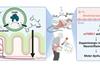
NewsOral bacteria in gut could play role in Parkinson’s disease development
Korean researchers have discovered that oral bacteria in the gut may contribute to Parkinson’s disease – highlighting a potential new target for treatment.
-
 News
NewsGlioblastoma treatment boosted by new drug combination strategy
Researchers in China have discovered how glioblastoma adapts to low-oxygen conditions – revealing a new treatment strategy that combines an orphan drug with standard chemotherapy to overcome resistance.
-
 News
NewsThe road to safer painkillers: the role of the EP2 receptor
NYU researchers have identified a receptor in prostaglandins that triggers pain without affecting inflammation – which could lead to safer, more targeted pain treatments.
-
 News
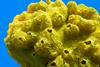
NewsMarine sponges could hold the key to new Leishmaniasis treatments
Japanese researchers have discovered potent new compounds from marine sponges that could transform the treatment of leishmaniasis – a neglected tropical disease affecting millions worldwide.
-
 News
NewsFibroblast mapping reveals potential universal drug targets
Scientists have mapped the diversity of fibroblasts and discovered how ‘rogue’ fibroblasts drive multiple diseases, revealing drug targets that could transform treatments across the body.
-
 News
NewsGut probiotics could offer relief for sickle cell disease pain
A new study from UT Dallas and the Medical College of Wisconsin links chronic sickle cell disease pain to gut bacteria – identifying Akkermansia muciniphila as a potential target for new probiotic or microbiome-based therapies.
-
 News
NewsNanoparticles turn vinegar into powerful antimicrobial treatment
Scientists have supercharged vinegar’s antibacterial properties by adding carbon and cobalt nanoparticles – creating a powerful, non-toxic treatment that could help combat drug-resistant infections and speed up wound healing.
-
 News
NewsRegistration for ELRIG’s Drug Discovery 2025 closes on 30 September
Registration for ELRIG’s Drug Discovery 2025 will close on 30 September. The free to attend conference, held on 21–22 October in Liverpool, will bring together thousands of scientists, exhibitors and expert speakers.
-
 News
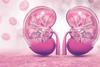
NewsLab-grown kidneys show real function in new stem cell study
USC Stem Cell scientists have created the most advanced lab-grown kidney structures to date, combining key components into ‘assembloids’ that mature and function like real kidneys, which could open up new possibilities for modelling complex kidney diseases.
-
 News
NewsNovltex: new antibiotic targets antimicrobial resistance
Scientists at the University of Liverpool have discovered Novltex, a new class of antibiotics that shows potent activity against deadly multidrug-resistant bacteria such as MRSA.
-
 News
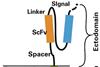
NewsAnti-linker antibodies: a universal key for CAR-T detection
Every new CAR-T needs a new detection tool – until now. Anti-linker antibodies could change how researchers develop and track these therapies.
-
 News
NewsNew obesity drug RES-010 targets metabolism to prevent weight regain
A first-in-class obesity drug, presented at the European Association for the Study of Diabetes meeting in Vienna, aims to reprogramme metabolism rather than suppress appetite – offering the potential for long-lasting weight loss without regain.
-
News
ProRNA3D-single: new AI for drug discovery and disease research
Virginia Tech computer scientists have created a new AI tool, ProRNA3D-single, that can generate 3D models of how viral RNA binds to human proteins – a development that could speed up drug discovery.
-
 News
NewsMelanoma research: targeted drug duo reactivates immune response
Researchers at Sutter’s California Pacific Medical Center have discovered a potential new treatment strategy for melanoma patients who stop responding to immunotherapy.
-
 News
NewsNew therapies boost deep brain stimulation accuracy in epilepsy
In a new study, researchers have discovered that deep brain stimulation targeting the centromedian nucleus could help patients with drug-resistant epilepsy improve seizure control.
-
 News
NewsNew stem cell approach could repair stroke-damaged brains
A new experimental stem cell therapy shows promise in repairing brain damage after ischemic strokes – potentially allowing for the development of future treatments that extend the recovery window.
-
 News
NewsMapping lung disease: new atlas to accelerate drug discovery
Helmholtz Munich and Parse Biosciences have collaborated to create the world’s largest lung disease perturbation atlas – which could aid the discovery of new therapeutic targets and accelerate the development of future lung disease treatments.
-
 News
NewsRare disease drugs get boost from new NICE guidelines
NICE has raised the cost-effectiveness thresholds for ultra-rare disease drugs under its Highly Specialised Technology programme – a move welcomed by patient advocates and biotech leaders.
-
 News
NewsSoil’s hidden bacteria could hold future antibiotic breakthroughs
Researchers have unlocked the genetic secrets of soil’s hidden bacteria, discovering hundreds of previously unknown genomes and two promising new antibiotics.
-
 News
NewsHow circulating tumour cell organoids are transforming oncology
Circulating tumour cell (CTC)-derived organoids are changing cancer research, providing scientists with a powerful tool for studying drug resistance and informing the development of new personalised therapies.