



News – Page 19
-
 News
NewsTumour stress drives T cell exhaustion – antioxidants may reverse it
A new research study has discovered that targeted antioxidants could restore T cell function – offering a potential boost for cancer immunotherapies like CAR-T.
-
News
Single-cell technique tracks boron in live tumour cells
Researchers at the University of Birmingham have developed a single-cell technique to track boron inside live tumour cells – making Boron Neutron Capture Therapy more effective in treating head and neck cancers.
-
 News
NewsEurofins Assurance gains ISO/IEC 17065:2012 GMP accreditation
The Eurofins Assurance network has secured ISO/IEC 17065:2012 accreditation from ANAB for its Good Manufacturing Practices (GMP) certification programme.
-
 News
NewsNew SMART tool maps RNA modifications to tackle cancer and infections
Researchers have developed the first high-throughput tool to rapidly profile RNA modifications – a breakthrough that could lead to more precise treatments for cancer and antibiotic-resistant infections.
-
 News
NewsBlocking GPNMB may halt triple-negative breast cancer progression
A new study has revealed that the protein GPNMB alters immune cells to aid cancer spread – pointing to the GPNMB-Siglec-9 pathway as a potential target for future treatments.
-
 News
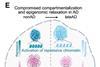
NewsTargeting gene regulation may hold key to future Alzheimer’s therapies
Researchers have discovered that Alzheimer’s disease is driven by a deeper loss of gene regulation in brain cells – offering potential new targets for future therapies.
-
 News
NewsScientists spotlight lung disease as fast-track model for ageing drugs
Researchers have identified idiopathic pulmonary fibrosis (IPF) as a powerful model for exploring treatments that target the biology of ageing.
-
 News
NewsBreakthrough glioblastoma research wins £400k charity funding
King’s College London and Medicines Discovery Catapult have secured £400,000 from The Brain Tumour Charity to fast-track a new drug delivery approach for glioblastoma, the most aggressive brain cancer. The project will support preclinical studies to move potential treatments closer to patients.
-
 News
NewsAI designs new antibiotics to take on drug-resistant superbugs
Penn engineers have built an AI model that creates new antibiotics – and early tests show some work as well as existing approved drugs.
-
 News
NewsNew nanostructure makes CRISPR edits safer and three times faster
Northwestern University researchers have created DNA-coated nanoparticles that deliver CRISPR into cells three times more effectively while reducing toxicity. The advance could overcome one of the biggest barriers to gene-editing therapies.
-
 News
NewsThree powerful antibodies discovered with potential to treat mpox
Researchers at Mount Sinai have identified three antibodies that target mpox and prevent severe disease in vivo. The work positions A35-specific antibodies as candidates for therapeutic development.
-
 News
NewsFeline cancer breakthrough could help treat human tumours
Researchers have tested a new cancer drug in pet cats with head and neck squamous cell carcinoma – a disease notoriously hard to treat. The trial showed the therapy controlled cancer in 35 percent of cats with minimal side effects – and it could help to treat humans too.
-
 News
NewsKey newborn liver cells could boost paediatric gene therapy
A small subset of newborn liver cells – known as clonogenic hepatocytes – drives over 90 percent of adult liver growth. New research shows how targeting these cells early could improve the effectiveness and durability of paediatric gene therapies.
-
 News
NewsChronic neuron overactivation drives Parkinson’s cell death
New research from Gladstone Institutes shows that chronic overactivation of dopamine-producing neurons can directly trigger their death, offering new insights into why these cells deteriorate in Parkinson’s disease which could lead to potential therapies to slow its progression.
-
 News
NewsNon-invasive method images brain development in juvenile mice
Stanford researchers have developed a non-invasive method to make juvenile mice’s skin transparent, allowing repeated imaging of developing neural circuits. The breakthrough could be used to develop new treatments for neurodevelopmental disorders.
-
 News
NewsNew AI method maps how tuberculosis drugs destroy bacteria
Scientists at Tufts University have developed an AI tool that demonstrates how tuberculosis drugs kill bacteria – an advancement that could speed-up the discovery of shorter, more effective treatments.
-
News
Scientists chart ovarian reserve to help advance new infertility treatments
UCLA scientists have created the first detailed map of how the ovarian reserve forms in primates, offering new insights – and potential new treatments – for infertility, polycystic ovary syndrome (PCOS) and hormone-related conditions.
-
 News
NewsHijacking Leydig cells: how COVID-19 lowers testosterone
Brazilian researchers have discovered that SARS-CoV-2 targets testosterone-producing cells in the testicles, hijacking cholesterol and lipid metabolism in order to replicate. The findings could lead to new therapies for treating the disease based on drugs that disrupt lipid metabolism.
-
 News
NewsDNA organiser STAG3 could advance infertility and cancer research
Kyoto University researchers have discovered a new DNA-organising protein complex called STAG3-cohesin – a protein that appears in human B cells and blood cancers. This discovery could potentially lead to new approaches for treating infertility and certain cancers.
-
 News
NewsNew M13 virus method could change future genetic treatments
Researchers at the University of Waterloo have developed a modified bacterial virus that can deliver gene therapies cheaper and more efficiently – moving us closer toward personalised, affordable genetic medicine.