



News – Page 21
-
News
Targeted microglia transplant reverses signs of rare brain disorder
Stanford Medicine researchers have developed a targeted brain cell transplant that replaced most diseased microglia in mice with Sandhoff disease – extending their lifespan and reversing symptoms
-
News
New patent for traumatic brain injury drug announced
Drug discovery company, TauGen, has filed a US patent application for a new series of drug candidates targeting endoplasmic reticulum (ER) stress – a key factor in secondary brain injury following traumatic brain injury (TBI).
-
 News
NewsTurning up the heat: simple temperature change makes versatile vaccine nanoparticles
University of Chicago researchers have developed a scalable nanoparticle platform that self-assembles with just a temperature change – enabling safe, solvent-free delivery of proteins and RNA for vaccines and therapies.
-
News
Next-gen malaria vaccine created using mapped parasite protein
Australian scientists have, for the first time, visualised a malaria parasite protein complex – a discovery that has led to a new mRNA vaccine capable of blocking the parasite’s reproduction in mosquitoes and potentially halting transmission.
-
 News
NewsAI-driven Alzheimer’s therapies show promise in early studies
Porosome Therapeutics has announced new advancements in Alzheimer’s treatment – presenting therapies that restore neuronal function, reduce Tau protein levels and reverse disease pathology in human brain organoids.
-
 News
NewsFuelling immunity: glucose helps T cells fight cancer better
A new study from the Van Andel Institute shows that glucose not only fuels T cells but also strengthens their internal signalling and cancer-fighting capabilities –offering a potential route to improved immunotherapies.
-
News
Whole-brain organoid offers breakthrough in neurological research
Johns Hopkins University scientists have engineered a new multi-region brain organoid that mimics early human brain development. The model offers a powerful new tool for studying disorders like autism, schizophrenia and Alzheimer’s disease.
-
 News
NewsScientists discover how 5-HT1A receptor shapes brain signalling
Researchers at Mount Sinai have mapped how the 5-HT1A serotonin receptor controls brain signalling – finding a hidden lipid ‘co-pilot’ that could lead to the development of more targeted antidepressants.
-
 News
NewsNew lipid nanoparticle boosts mRNA delivery fivefold in cancer study
Japanese researchers have engineered a new lipid nanoparticle that delivers mRNA to cells five times more effectively, resulting in stronger immune responses and tumour suppression in mice.
-
 News
NewsVitamin B1 + glucose: a new combination approach to tackling sepsis
Scientists at Ghent University have discovered that a simple combination of vitamin B1 and glucose could drastically improve survival in sepsis – a life-threatening condition responsible for millions of deaths each year.
-
 News
NewsCOVID-19 and flu could awaken hidden breast cancer cells
Scientists have discovered that infections like COVID-19 and flu can “wake up” dormant breast cancer cells – triggering new tumour growth in the lungs.
-
 News
NewsIntersectin protein discovery may help treat cognitive disorders
Researchers have discovered that the protein intersectin plays a crucial role in organising synaptic vesicles – enabling direct communication essential for learning and memory.
-
 News
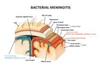
NewsMast cells: new target for preventing meningitis and brain disease
Scientists at Washington University School of Medicine have discovered that mast cells – immune cells best known for triggering allergic reactions – also help protect the brain from bacterial and viral infections. This could have important implications for treating brain infections in the future.
-
 News
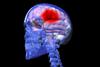
NewsNew stroke drug reduces brain damage by 60 percent in preclinical study
Cambridge researchers have discovered a new drug that could dramatically improve stroke recovery by reducing brain damage caused when blood flow is restored.
-
 News
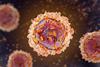
NewsNew research shows squeezing cancer cells helps them survive
Scientists have discovered that cancer cells generate an instant burst of energy when physically squeezed, helping them repair DNA damage and survive harsh environments. This discovery means that therapies targeting this new survival mechanism could be developed.
-
 News
NewsCDK4/6 and PARP combo improves prostate cancer treatment
Researchers at VHIO have discovered a new way to overcome drug resistance in metastatic prostate cancer – by combining CDK4/6 inhibitors with follow-up therapies.
-
 News
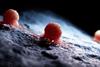
NewsNew drug combo targets PRMT5 to fight deadly cancers
Scientists at Virginia Tech’s Fralin Biomedical Research Institute have identified a promising drug target – PRMT5 – that could make treatment-resistant lung, brain and pancreatic cancers more vulnerable to therapy.
-
 News
NewsHow FtsZ and ZapA proteins drive bacterial cell division
Japanese researchers have discovered how the bacterial proteins FtsZ and ZapA work together to drive cell division – a discovery that could guide the development of new antibacterial treatments.
-
 News
NewsScientists discover neuron-like communication in gut cells
Scientists in Singapore have discovered that gut support cells – known as telocytes – use neuron-like extensions to deliver signals directly to intestinal stem cells. This could lead to new treatments for diseases such as inflammatory bowel disease and colon cancer.
-
 News
NewsELRIG announces keynote speakers for Drug Discovery 2025 in Liverpool
ELRIG (European Laboratory Research & Innovation Group) has announced the keynote speakers for Drug Discovery 2025, Europe’s premier life sciences conference, taking place at ACC Liverpool from 21–22 October 2025.