



News – Page 25
-
 News
NewsReelin identified as key marker of cocaine-activated brain cells
Researchers at the University of Alabama have identified reelin, a glycoprotein known for its role in brain development, as a key regulator of neurons in the brain's reward centre, potentially making way for targeted therapies against cocaine use.
-
News
Stanford grows vascularised mini-organs
Stanford scientists have successfully grown heart and liver organoids that include functioning blood vessels. This breakthrough overcomes a major size and maturity barrier, which could advance disease modelling and regenerative therapies in the future.
-
 News
NewsSB000: a safer path to anti-aging therapies
Shift Bioscience has announced new aging research, highlighting the discovery of SB000. This novel single-gene target reverses cellular aging without activating dangerous pluripotency pathways.
-
 News
NewsEngineered DNA aptamers outsmart viral infection pathways
EPFL scientists have engineered virus-inspired DNA aptamers that bind infection targets with record selectivity. This innovation could change how we diagnose and treat infectious diseases.
-
 News
NewsHow one carbon atom is changing drug development
Researchers at the University of Oklahoma have found a way to improve drugs by adding just one carbon atom. This simple change could speed up drug discovery and lower costs.
-
 News
NewsAI just made protein design smarter and faster
Meet the AI tool that creates proteins that fold better, bind tighter and perform more reliably. Find out why it matters for next-generation medicines.
-
 News
NewsInside the immune ‘handbook’ set to disrupt fibrosis research
Nearly a billion people are affected by chronic organ scarring, yet treatments remain limited. Now, Duke-NUS researchers have compiled a scientific ‘handbook’ of immune cell insights that could fast-track breakthroughs in fibrosis therapy.
-
 News
NewsStatins repurposed for sepsis show life-saving potential
A new study suggests statins, cheap and widely used cholesterol drugs, could be repurposed to reduce the risk of death from sepsis. Researchers reported a 39 percent drop in 28-day mortality, highlighting their potential role in critical care.
-
 News
NewsBCG alters bone marrow to strengthen anti-cancer response
A new study reveals that BCG, a decades-old bladder cancer treatment, reprograms the immune system at the bone marrow level, offering a new perspective into how this immunotherapy boosts the body’s defence against cancer.
-
 News
NewsStudy identifies safer target for dopamine-linked disorders
A rare genetic glitch causes dopamine to leak in the brain - now researchers may have found a way to stop it, without the risks of current treatments.
-
 News
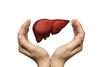
NewsScientists create advanced 3D liver model mimicking real tissue
Scientists have developed a 3D liver model, known as the periportal assembloid. This model replicates the liver’s complex structure and bile transport system, enabling more precise study of disease progression.
-
 News
NewsAI targets protein linked to most human cancers
Scientists have used AI to design a molecule that disrupts a key protein interaction driving up to 70 percent of cancers - once thought impossible to drug.
-
 News
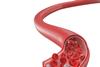
NewsEngineering realistic blood vessels to fight vascular disease
Researchers at Texas A&M University have developed advanced vessel-chip technology that closely mimics the complex architecture of human blood vessels, offering a new potential platform for studying vascular diseases and accelerating drug discovery.
-
 News
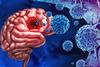
NewsExperimental peptide targets glioblastoma’s most resilient cells
An experimental peptide from Virginia Tech may offer a new way to stop glioblastoma from coming back by disrupting the cancer’s treatment-resistant core.
-
 News
NewsHerpes virus protein boosts T cell power against cancer
Researchers at the University of Michigan have engineered a herpes virus protein to enhance T cell survival and function, offering a new strategy to strengthen cancer immunotherapy.
-
 News
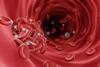
NewsChemical hack turns platelets into drug couriers
Researchers at the University of Illinois have achieved the first successful metabolic labelling of platelets, a key step toward using them in targeted drug delivery. The technique could enable short-lived, precision therapies for cancer, immune conditions, and clotting disorders. ...
-
 News
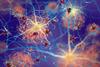
NewsAstrocyte protein RTP801 linked to Alzheimer’s cognitive decline
A new study from the University of Barcelona’s Institute of Neurosciences has discovered a crucial role for the RTP801 protein in astrocytes, potentially making way for future therapies aimed at slowing or reversing cognitive decline.
-
 News
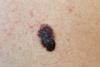
NewsWhy ATP signalling might change melanoma for good
A new study from Central South University reveals how adenosine phosphate signalling shapes the tumour microenvironment in melanoma, offering a new biomarker for guiding personalised cancer treatment.
-
 News
NewsNew UCD centre targets the biggest bottleneck in rare research
The world’s first translational research center dedicated to urea cycle disorders (UCDs) has been launched in Zürich, marking a significant moment in rare disease innovation.
-
 News
NewsVascularised stem cell organoids advance diabetes therapy
A team of researchers have developed the first vascularised organoid model of human pancreatic islets, which could lead to further development of advanced cell therapies for diabetes.