



News – Page 27
-
 News
NewsNew liver organoids research brings hope for drug development
Researchers at Keio University have developed long-lasting, functional human liver organoids from frozen hepatocytes, marking a huge moment in organoid science.
-
 News
NewsNew drug combination shows potential to treat enteroviruses
Researchers in Norway have identified a promising oral drug combination that may stop the replication of enteroviruses, a group of viruses responsible for illnesses ranging from the common cold to type 1 diabetes.
-
 News
NewsLab-grown liver breakthrough could speed up drug development
Scientists have developed lab-grown liver organoids with functional zonation, a discovery that brings regenerative medicine a step closer to personalised, transplant-free liver therapy.
-
 News
NewsAdvanced test predicts ALK inhibitor success in lung cancer
Researchers have developed a test that accurately predicts whether patients with ALK-positive lung cancer will respond to targeted treatments. This could significantly enhance personalised cancer therapies and overcome treatment resistance.
-
 News
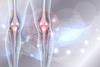
NewsBone repair breakthrough: why men and women heal differently
Men and women heal bone injuries through distinct biological processes, challenging assumptions in regenerative medicine. The findings support the development of personalised implants and more effective, sex-specific treatment strategies.
-
 News
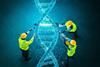
NewsOutsmarting cancer by exploiting DNA repair flaws
Researchers at ETH Zurich in Switzerland have mapped the complex network cells use to repair their genetic material, revealing previously hidden vulnerabilities in cancer cells.
-
 News
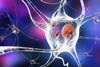
NewsFibril 'fuzzy coats' boost Parkinson’s protein spread
New research reveals that the flexible ‘fuzzy coat’ surrounding α-synuclein fibrils plays a critical role in how Parkinson’s disease spreads between brain cells.
-
 News
NewsNew study identifies key immune cells that prevent food allergies
A specialised group of immune cells in the gut has been found to prevent allergic reactions - a discovery that could lead to new treatments for allergies and autoimmune diseases.
-
 News
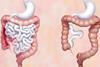
NewsReprogramming gut cells to treat short bowel syndrome
A preclinical study conducted by researchers at Weill Cornell Medicine have demonstrated a new gene-editing strategy to treat short bowel syndrome (SBS), a life-threatening condition in which patients lack a functional small intestine.
-
 News
NewsPromising psoriasis treatment reduces symptoms without steroids
A team of scientists from the University of Birmingham has discovered a powerful new treatment for psoriasis. The treatment uses a tripeptide that has shown steroid-level effectiveness in reducing symptoms, offering fresh hope for the long-term management of this chronic skin condition.
-
 News
NewsKey PKD findings could accelerate development of new treatments
Rutgers researchers have discovered new insights into how polycystic kidney disease (PKD) progresses, which could lead to more targeted treatments. This breakthrough may help improve therapies for PKD patients in the future.
-
 News
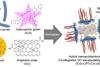
NewsBacteria-boosted nanoparticles offer a triple threat against cancer
A new cancer therapy combines multiple treatment strategies into a single graphene oxide-based nanocomposite. It uses bacterial components to enhance immune response and scalability, creating a powerful and cost-effective approach to tackling tumours.
-
 News
NewsNew leadership at ELRIG aims to expand collaboration across drug discovery
ELRIG, a UK-based scientific community driving innovation in drug discovery, has appointed biopharma leader Dr Del Trezise as its new Chair - signalling a bold new chapter for the organisation.
-
 News
NewsStudy aims to stop Alzheimer’s with stem cell infusions
Researchers at UTHealth Houston have initiated a new stem cell therapy trial aimed at reducing neuroinflammation to prevent Alzheimer's disease before symptoms emerge, an approach that could revolutionise treatment strategies, offering new hope for at-risk individuals.
-
News
Identifying a new target for metabolic liver disease treatment
Scientists have identified protein tyrosine phosphatase delta (PTPRD) as a key regulator of liver metabolism, offering a potential new drug target for treating metabolic liver diseases like MASLD and MASH.
-
 News
NewsStem cell study uncovers shared genes for hearing and vision repair
New research, led by USC Stem Cell scientists, has identified key genetic barriers to sensory cell regeneration in the ear and eye, paving the way for future drug therapies to restore hearing and vision.
-
News
New hydrogel tech shows promise for treating post-traumatic osteoarthritis
Researchers from Mass General Brigham have developed a hydrogel to improve drug delivery for post-traumatic osteoarthritis (PTOA), which ensures sustained medication release, even under joint movement, addressing a major challenge in current treatments.
-
 News
NewsPSPC1 knockout slows AML in preclinical models
Scientists at UT Health San Antonio have identified PSPC1 in mouse models as a promising new drug target for acute myeloid leukaemia (AML), a deadly blood cancer with limited treatment options.
-
 News
NewsNew melanoma therapy prevents brain metastasis in preclinical studies
A government-funded research team has identified focal adhesion kinase (FAK) as a key driver of melanoma metastasis to the brain. This discovery could revolutionise treatment by not only addressing the condition but also preventing its spread to the brain.
-
 News
NewsStudy identifies crucial gene behind metabolic liver disease
A team of researchers at Waseda University in Japan has identified a gene called Nwd1 that plays a key role in the development of metabolic dysfunction-associated steatohepatitis (MASH). This discovery could lead to new therapeutic strategies, potentially reshaping the treatment landscape for liver disease.