



News – Page 36
-
 News
NewsElucidating MDLC’s molecular features
The study’s results indicate that spatial sequencing of mixed-type breast cancers could inform personalised treatment.
-
 News
NewsMini-lungs enable breakthroughs in SARS-CoV-2 research
Researchers discovered two potential new drug applications with the possible clinical use of surfactant early in COVID-19 cases.
-
 News
NewsNew agreement to progress cardiovascular disease research
The agreement between Cartherics, The University of Sydney and The University of Queensland will further stem cell-derived heart muscle therapy for heart failure.
-
 News
NewsDevelopment of a new and promising antimalarial agent
The new agent, DIF-1(+3), proved to be as effective against drug-resistant malaria as it was against susceptible strains.
-
 News
NewsNew model offers a unique method to study Parkinson’s disease
Mice with rod-specific VPS35 deletion demonstrate a pathology more similar to human Parkinson’s disease, compared to other mouse models.
-
 News
NewsThe role of KDR in the survival of HTLV-1-infected T cells
KDR inhibitors could be very impactful for treatment of ATLL and HAM/TSP or prevent disease by lessening the viral load of HTLV-1.
-
 News
NewsPrime editing corrects the CFTR gene mutation
The approach precisely and durably corrects the CFTR mutation in human lung cells, which could lead to superior treatments.
-
 News
NewsTreating HCC with genetically modified NK-cell therapy
Blocking the TGF-β signalling pathway produced effective antitumour activity against hepatocellular carcinoma.
-
 News
NewsSmall molecule inducers of trained immunity found
Researchers screened over 2,000 small molecules and have now more than doubled the known compounds reported to induce trained immunity.
-
 News
NewsImproving vaccine responses by targeting IL-10
In an animal model, scientists have demonstrated that targeting Interleukin-10 during vaccine delivery enhances the vaccine’s ability to protect against infection.
-
 News
NewsThe emergence of targeted alpha therapy for glioblastoma
Targeted alpha therapy shows promising preclinical results, increasing survival rate by 36.4 percent in recurrent tumours.
-
 News
NewsPredicting persistent taxane-induced peripheral neuropathy
Researchers have developed a prediction model to ascertain breast cancer survivors’ risk of persistent taxane-induced peripheral neuropathy.
-
 News
NewsRare types of helper T cells uncovered
Researchers have created a new T cell atlas which could aid the development of novel drug therapies for immune-mediated diseases.
-
 News
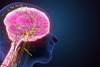
NewsElucidating the pathophysiology of migraines
Researchers show that proteins released from the brain during migraine with aura are transported by CSF to pain-signalling nerves.
-
 News
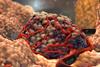
NewsOvercoming chemotherapy resistance in pancreatic cancer
Researchers have discovered that pancreatic cancer’s resistance to chemotherapy is related to the physical stiffness of the extracellular matrix.
-
 News
NewsDiscovery of a promising agonist adjuvant
PVP-037, identified through a small molecule screen, induces a more durable and broader immune response to vaccines.
-
 News
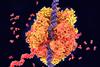
NewsThe real-time capture of transcription complex formation
Researchers have obtained images with a previously unseen level of detail, demonstrating how RNA polymerase opens the transcription bubble.
-
 News
NewsIdentifying biomarkers for progressive supranuclear palsy
Protein biomarkers in spinal fluid linked to PSP could enable earlier diagnosis and treatment for this neurological disorder.
-
 News
NewsDeveloping a globally-applicable HIV cure
A new assay has been developed which enables the detailing of intact proviral genomes of under-studied HIV strains.
-
 News
NewsStudying the epigenetic profile of beta cells in insulinoma
Researchers found that tumour beta cells lose their repression marks and express elevated levels of oncogenes.