



News – Page 37
-
 News
NewsPredicting pancreatic cancer metastasis
Molecular, cellular and metabolic analyses of liver biopsies identified markers that may predict subsequent metastasis of pancreatic cancer.
-
 News
NewsCapturing the computational abilities of real neurons
A new neural network computational model has been developed, which more closely reflects the abilities of real neurons and could advance AI progress.
-
 News
NewsAI tool identifies high-risk subtype of endometrial cancer
The tool identified patients with high-risk disease, which normally goes unrecognised by traditional diagnostics.
-
 News
NewsElucidating the loss of mobility caused by LGMD2B
The hiPSC-derived skeletal muscle model is the first to uncover the biological mechanisms underlying loss of mobility.
-
 News
NewsNovel inhibitor developed to combat HER2-positive breast cancer
The inhibitor, HVH-2930, effectively induced apoptosis in breast cancer cells without initiating the heat shock response.
-
 News
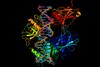
NewsThe potential of deep learning: generating drug targets
Researchers have designed synthetic, soluble versions of cell membrane proteins, which will enable faster and easier screening for new drugs.
-
 News
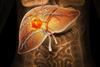
NewsAssessing the risk of HCC with machine learning
A novel screening tool may increase the five-year survival rate of hepatocellular carcinoma patients to 90 percent.
-
 News
NewsMini-colons offer improved cellular diversity, longevity and function
Mini-colons, which closely resemble in vivo tissue, were used for several applications, including the characterisation of anticancer drug toxicity profiles.
-
 News
NewsNew AI process for accurate enrolment of patients to clinical trial
The AI model screened the medical records of heart failure patients more accurately, quickly and cheaply, compared to study staff.
-
 News
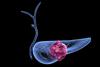
NewsNew 3D genomic profiling technique details PanINs
Researchers have developed a 3D approach to improve the characterisation of pancreatic intraepithelial neoplasias.
-
 News
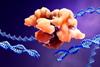
NewsCancer dependencies missed by some CRISPR guides
Scientists discovered that, depending on germline variation, CRISPR-based experiments can result in false negatives.
-
 News
NewsEssential insights into HIV-1 latency mechanisms
HIV-Tocky, a new viral reporter system, uncovers the molecular mechanisms of provirus silencing and expression.
-
 News
NewsNew ENaC blocker demonstrates an extended duration of action
The novel drug, ETD001, could provide an improved approach for mucus clearance in cystic fibrosis patients.
-
 News
NewsWerner syndrome: mechanism behind atherosclerosis elucidated
Researchers have developed a new in vitro co-culture system which enables an in-depth molecular analysis of atherosclerosis.
-
 News
NewsEpigenetic dysregulation mechanism in Crohn’s disease discovered
Intestinal epithelial organoids highlight a pathway implicated in CD, named major histocompatibility complex (MHC)-I.
-
 News
NewsIdentification of functional sex differences in nociceptors
A new study reveals that pain management could be greatly improved by considering patient sex as fundamental.
-
 News
NewsP. aeruginosa infection method elucidated with microtissue model
Researchers found, using human respiratory epithelium organoids, that P. aeruginosa breaches respiratory epithelia by goblet cell invasion.
-
 News
NewsNew silk-based membrane for organ-on-a-chip platform
The development of a new membrane which better mimics human extracellular membranes will enable more accurate disease research.
-
 News
NewsNew biological pathway in IBD discovered
Researchers have identified a new biological pathway driving IBD and similar conditions that could be targeted with MEK inhibitors.
-
 News
NewsMitigating fibrotic barriers in pancreatic cancer
A human pancreatic cancer fibrotic barrier model illuminates how targeting the TGFβ/ROCK2/YAP signalling axis could enhance drug delivery.