



News – Page 50
-
 News
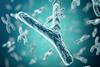
NewsY chromosome discovery could advance personalised medicine
Researchers have completely decoded the human Y chromosome, which may result in more effective treatment for digestive disorders.
-
 News
NewsNew algorithm identifies a novel CRISPR-Cas system
Findings of rare CRISPR-linked gene modules and a novel CRISPR-Cas system have promising implications for genomic therapeutics.
-
 News
NewsPotential of small molecule therapeutics for Barth syndrome
Novel findings about the tafazzin gene offers a potential new target and drug candidate for Barth syndrome.
-
 News
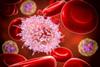
NewsNoncoding RNA could be a new target for acute myeloid leukaemia
Discovery about the DNA of leukaemia cells suggests promising target for gene therapy in paediatric oncology.
-
 News
NewsGenetically engineered transplants avoid immune rejection
Researchers have found a way to genetically modify stem cells so that cell and organ transplants are not rejected.
-
 News
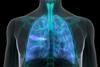
NewsTarget found for pulmonary hypertension treatment
An epigenetic pathway is mediated by a certain protein that could potentially reverse vascular remodelling in pulmonary hypertension.
-
 News
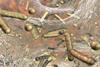
NewsEngineered biofilm helps to tackle infections in CF patients
A living material resembling sputum from CF patients can grow biofilms, enabling scientists to assess the effectiveness of antimicrobials.
-
 News
NewsNano-sized traps enable better study of proteins
Researchers have developed a new method to study protein clumps that occur in many difficult-to-treat diseases.
-
 News
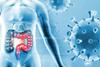
NewsNew colon organoids better resemble both healthy and diseased colons
Researchers have developed organoids with naturally occurring early-stage immune cells, which could lead to effective personalised treatment.
-
News
Improving treatment response to KRAS inhibitors
Eliminating AT1-like cells in experimental models has shown potential to improve KRAS inhibitor treatment for lung adenocarcinoma.
-
 News
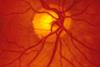
NewsPromising strategy for glaucoma cell replacement therapy
Changing blood stem cells into retinal ganglion cells that can migrate to the eye’s retina offers hope for cell replacement therapy.
-
 News
NewsRibosomes repair damage to single stranded RNA
Crosslinking damage to single stranded RNA, caused by aldehydes, is repaired by newly discovered mechanism involving ribosomes.
-
 News
NewsMacrophage phenotype insights could improve immunotherapy
A certain macrophage phenotype is more effective than another phenotype commonly used in cell therapy for infiltrating tumours.
-
 News
NewsIncorporating microglia into brain organoids
iPS-cell-derived microglia in brain organoids have enabled scientists to understand early brain development and microglia-associated disease.
-
 News
NewsEnzyme-activated fluorescent probes could revolutionise healthcare
Advancements in enzyme-activated near-infrared fluorescent probes hold promise for evaluating responses to enzyme-targeting therapies.
-
News
Biomarkers found in the temporary regression of type 1 diabetes
The partial remission phase of type 1 diabetes, in which residual β-cells recover insulin production, offers new hope for therapeutic action.
-
 News
NewsBreast cancer cells invade by a physical mechanism
Findings from using a 3D hydrogel to study how cancer cells physically tear the basement membrane offers promise for targeted treatment.
-
News
Targeting senescent macrophages: a potential cancer treatment
Using the nicotinamide mononucleotide molecule led to proliferation of non-senescent macrophages and lessened immunosuppressive factors.
-
 News
NewsRare genetic variant blocks common Alzheimer’s disease risk factor
New understanding of “Christchurch mutation” in the APOE gene may lead to novel Alzheimer's disease treatments.
-
News
Improving ovarian cancer outcomes with artificial intelligence
Researchers have developed an AI based model that is 80 percent accurate in predicting the therapy outcome of high-grade ovarian cancer.