



News – Page 59
-
 News
NewsGut bacterial interactions limit antibiotic efficacy on C. difficile
A recent study from the University of Wisconsin-Madison suggests that interactions between gut bacteria can influence the effectiveness of antibiotics against C. difficile infections.
-
 News
NewsNovel approach stimulates DNA repair mechanisms to combat a leading cause of autism spectrum disorders
US researchers report promising results for fragile X syndrome, by stimulating cells' DNA repair mechanisms that could correct the inherited genetic defect associated with the disorder.
-
 News
NewsMolecular biology behind memory development in early childhood
Researchers from Canada develop a greater understanding about the molecular mechanisms for memory development in early childhood.
-
 News
NewsNew study uncovers DNA repair mechanism in bacterial cells
US research reveals mechanism used by bacterial cells to repair their faulty DNA, which could help scientists understand the intricacies of DNA repair processes.
-
 News
NewsDiagnosing inflammatory diseases with synthetic peptides
Researchers from Switzerland identify peptides that detect and measure a key biomarker in inflammatory conditions.
-
 News
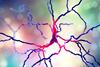
NewsExamining brain’s glymphatic system may shed light on brain diseases
US researchers used focused ultrasound with microbubbles to examine glymphatic system of the brain, which plays a crucial role in clearing metabolic waste from the brain.
-
 News
NewsLinking air pollution and lung disease
USC researchers gain valuable insights into the biological processes underlying the association between air pollution and lung disease. By unravelling the mechanisms involved, researchers are hopeful that new strategies can be developed to mitigate the adverse effects of pollution exposure and improve the prevention and treatment of related diseases.
-
 News
NewsTargeted therapy for treatment-resistant breast cancer
US researchers have uncovered a potential target for treating breast cancer that is resistant to endocrine therapies because of a specific gene mutation.
-
 News
News3D models used to investigate bacteria motility
US researchers created a 3D model of the bacteria: Helicobacter pylori, to better understand its motility, in order to develop new treatments for bacterial infections.
-
 News
NewsPotential pathway to improved stroke recovery
Japanese researchers identify a protein that reduces inflammation, stimulates neural growth, and improves sensory and motor functions following ischemic stroke in mice.
-
 News
NewsDiverse senescent cell populations uncovered by single-cell RNA sequencing
Single-cell transcriptomic RNA sequencing analysis has allowed US researchers to identify the specific populations and the dynamic transition states during senescence initiation and progression.
-
 News
NewsUSC researchers zoom into human genome with mammal DNA
USC researcher Dr Steven Gazal and his team have identified human genome base pairs that have remained constant over millions of years of mammalian evolution. These base pairs are linked to human disease. Using DNA from 240 mammal species, they identified genetic variations affecting an individual's survival and reproduction. ...
-
 News
NewsNew technique enables in vivo analysis of protein complexes
Chinese researchers use a glycosidic-bond-based mass-spectrometry-cleavable cross-linker to analyse proteins in vivo.
-
 News
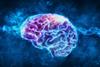
NewsAre tiny brain organoids legally a person?
Japanese researchers debate if human brain organoids that are cultivated from stem cells and serve as a model of human brain development, can be legally considered a person.
-
 News
NewsCancer-killing benefits of popular obesity treatment
Findings from the Republic of Ireland, in relation to GLP-1 obesity treatment showcase its ability to restore the body’s natural cancer-killing defences.
-
 News
NewsLaunching Revvity: a scientific solutions company powering innovation from discovery to cure
Revvity provides health science solutions, technologies, expertise, and services that deliver complete workflows from discovery to development, and diagnosis to cure.
-
 News
NewsAntibiotic-resistant bacteria contaminates hospitals’ ICU in China
The drug resistant bacteria: CRAB, came into the ICU in hospitals in Hangzhou, China, creating an urgent need for a thorough understanding of the persistence, transmission, and evolution of CRAB populations in such environments.
-
 News
NewsCustomising T cell-based immunotherapies to treat cancers
US researchers usings a ‘SNAP’ receptor system can customise immunotherapies for targeted treatments of cancer and other diseases.
-
 News
NewsComputational tool gets more out of multi-omics data
US researchers developed a next-generation computational tool called NetBID2 that can uncover difficult-to-identify proteins that drive biological processes contributing to cancer.
-
 News
NewsSpecial omega-3 fatty acid lipid plays critical role in the ageing brain
Scientists from Singapore have sought to understand the role of Mfsd2a in brain cells, in transporting lysophosphatidylcholine (LPC), a lipid that contains an omega-3 fatty acid