


All Oncology articles – Page 17
-
 News
Associations of AML MRD levels with posttransplant clinical outcomes
Patients with no detectable FLT3 mutations had the best outcomes after an allogenic hematopoietic cell transplant.
-
 Article
Biomarker identification in the realm of rare diseases
In this Q&A, Debiopharm’s Principal Scientist Dr Luke Piggott defines the critical requirement of biomarkers for identifying rare diseases. He illuminates how AI-enhanced approaches are accelerating the drug discovery process, particularly regarding clinical trial enrolment, and the breakthroughs he hopes to see in the future.
-
 Article
Unlocking the potential of antibody drug conjugates
Zymeworks’ Dr Paul Moore, Dr Raffaele Colombo and Dr Jamie Rich discuss how advancements in ADCs are redefining cancer treatment. They elucidate the innovative strategies that are being developed to improve drug stability and how personalised medicine approaches are optimising outcomes for individual cancer patients, offering new hope across several ...
-
 News
First animal model for Kaposi sarcoma developed
The mouse model provides a new understanding of the fundamental aspects of KSHV, which will enable drug and vaccine development.
-
 News
Targeting RAS to overcome FLT3 AML drug resistance
It was discovered that targeting RAS proteins prevent cancer cells from using different signalling pathways to escape cell death.
-
 News
New screening method for HPV-positive head and neck cancer
A urine-based test that detects ctDNA from HPV-positive head and neck cancers could facilitate its early detection.
-
 News
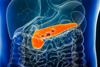
Elucidating the mechanism that initiates cancer cachexia
The new findings could lead to new therapeutics and a method to diagnose pancreatic cancer earlier, improving its prognosis.
-
 News
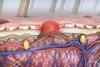
Melanoma tumours produce altBRAFs by genomic deletions
The discovery that genomic deletions cause altBRAFs can help develop new therapies to overcome drug resistance in BRAF-mutant melanoma.
-
News
B-ALL: combination therapy effectively controls high-risk subtypes
The combination therapy worked faster and was lessened the number of leukaemia cells compared to asparaginase or venetoclax alone.
-
Article
HIF inhibition: a potential therapeutic approach for cancers
In this Q&A, Curve Therapeutic’s Chief Scientific Officer Professor Ali Tavassoli discusses how dual HIF inhibition could combat solid tumours.
-
News
MUTYH variants implicated in a broader range of cancers
The discovery that one missing copy of MUTYH could increase the risk of cancers may lead to therapeutics against solid tumours.
-
News
Study concludes that most aspects of aging relate to gene length
New findings about how long genes become less active with age could impact treatments for neurodegeneration, among other conditions.
-
 News
The first core regulatory circuit identified for ALCL
New understanding of the CRC and its interaction with STAT3 could lead to novel therapeutics and combination strategies.
-
 News
Targeting Inc-HLX-2-7 shrinks group 3 medulloblastoma tumours
An intravenous treatment to block lnc-HLX-2-7 from binding to the HLX promoter shrunk medulloblastoma tumours, prolonging survival in mice.
-
 News
P47 suppresses metastasis of HER2-positive breast cancer
Results from an in vivo CRISPR knockout screen, targeting genes involved in autophagy, could lead to new therapies.
-
 News
New algorithm identifies high-risk precancerous lesions
Researchers have developed an algorithm which could improve diagnostics of ovarian high-grade serous carcinoma.
-
 Article
Scalable precision design targeting complex product profiles
We had the privilege of speaking to Dr Víctor Sebastián Pérez, Associate Director of Computational Drug Design, following his presentation at ELRIG UK 2023. He shares his insights into how Exscientia is using AI to design drug candidates for cancer treatment.
-
 News
Potential for targeted therapies based on the gigaxonin pathway
Researchers have discovered that higher expression of gigaxonin suppresses aggressive growth of human head and neck cancer cells.
-
 News
Newly discovered role of AF1q in neuroblastoma
Researchers have identified that AF1q is highly expressed in neuroblastoma, and could be used to destabilise N-Myc.
-
 Article
Mediating BRAF-mutant melanoma resistance
In this Q&A, esteemed Dr Rhoda Alani discusses the epigenetic landscape of therapy resistant melanomas and elucidates how corin treatment impacts the reprogramming of melanoma cell phenotypes. The findings suggest a new treatment paradigm for melanoma which could also be relevant to targeted therapy resistance mechanisms for other cancer types.