



All Personalised Medicine articles
-
 Article
Designing targeted assays for clinical success from the start
Why do some targeted assays move smoothly from discovery to clinical practice while others stall? The answer often lies in the earliest design decisions, where choices about samples, platforms and data determine what is possible later.
-
 News
NewsMini-stomach organoids grown to improve disease research
Scientists have grown the first multi-regional “mini-stomach” in the lab, creating a new way to study rare genetic stomach diseases and help to develop new treatments for digestive conditions.
-
 News
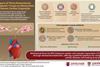
NewsMagnetic stimulation advances heart organoids for future therapies
Researchers have shown that applying magnetic forces to lab-grown human heart organoids enhances their maturation and vascular development, offering a more realistic model of early heart formation and the possibility of future cardiac therapies.
-
 News
NewsNew Lumos AI platform targets precision in mental health drugs
Headlamp Health has launched Lumos AI®, a new decision-support platform designed to bring greater precision to neuroscience drug development.
-
 Article
Why patient-derived biology matters for ADC discovery
What can we learn from tumours after they stop responding to treatment? By studying patient tissue directly, researchers are finding new ADC targets that conventional screening often misses.
-
 News
NewsNew method preserves iPS cells for regenerative medicine
Kobe University researchers have developed a new way of freeze induced pluripotent stem cells (iPS cells) directly in their culture dishes without losing viability or pluripotency.
-
 News
NewsNew AI model links genetic mutations to specific diseases
Scientists have developed a new artificial intelligence tool that can identify harmful genetic mutations and predict the types of diseases they are likely to cause, offering faster diagnosis and new opportunities for drug discovery.
-
 News
NewsLive-cell liquid biopsy study aims to transform cancer treatment
Vortex Liquid Biopsy Solutions has launched a new clinical study with The Doctors Laboratory to assess how its live-cell liquid biopsy technology could change cancer monitoring and treatment.
-
 Article
Streamlining Biomanufacturing of Personalised Cancer Immunotherapies with Synthetic DNA
A Synthetic DNA Approach for Speed, Scale & Flexibility
-
 Article
From data to therapy: emerging tech driving cancer drug discovery
Multiomics, AI and liquid biopsies are giving researchers real-time insight into tumour biology and enabling more personalised cancer therapies. Find out how these technologies are advancing biomarker discovery, improving patient stratification, and guiding the design of new treatments.
-
 Article
Overcoming barriers to oncology combination therapies in the UK and EU
Colleagues at IQVIA discuss ways to expedite positive HTA outcomes for innovative combination therapies, alleviating the bottlenecks inherent in the current system.
-
 News
NewsHow circulating tumour cell organoids are transforming oncology
Circulating tumour cell (CTC)-derived organoids are changing cancer research, providing scientists with a powerful tool for studying drug resistance and informing the development of new personalised therapies.
-
News
Single-cell technique tracks boron in live tumour cells
Researchers at the University of Birmingham have developed a single-cell technique to track boron inside live tumour cells – making Boron Neutron Capture Therapy more effective in treating head and neck cancers.
-
 Article
Making sense of AI: bias, trust and transparency in pharma R&D
AI is increasingly used in drug discovery, but hidden bias and ‘black box’ models threaten trust and transparency. This article explores how explainable AI can turn opaque predictions into clear, accountable insights.
-
 Article
Gene therapies that listen and respond: the power of RNA regulation
Most gene therapies rely on static DNA promoters to control gene activity, but nature uses far more sophisticated tools. Dr Matthew Dale explores how harnessing RNA-level control could enable treatments that sense and respond in real time, offering unprecedented precision and safety.
-
 News
NewsNew M13 virus method could change future genetic treatments
Researchers at the University of Waterloo have developed a modified bacterial virus that can deliver gene therapies cheaper and more efficiently – moving us closer toward personalised, affordable genetic medicine.
-
 News
NewsKidney tumour organoids offer new drug testing platform
Scientists in China have used 3D bioprinting to grow kidney tumours from patients’ own cells, creating realistic models that could speed up development of personalised treatments.
-
 Report
Beyond the Lab: Biomarkers Powering Tomorrow’s Therapies
Biomarkers are redefining how precision therapies are discovered, validated and delivered. This exclusive expert-led report reveals how leading teams are using biomarker science to drive faster insights, cleaner data and more targeted treatments – from discovery to diagnostics.
-
 News
NewsCDK4/6 and PARP combo improves prostate cancer treatment
Researchers at VHIO have discovered a new way to overcome drug resistance in metastatic prostate cancer – by combining CDK4/6 inhibitors with follow-up therapies.
-
 Article
From lab to clinic: the rise of Radio-DARPins in oncology
As radioligand therapy continues to show promise, its application in solid tumours remains limited by long-standing biological challenges. In this interview, Julien Torgue, CSO at Orano Med, discusses a new collaborative platform – Radio-DARPins – and how it could help overcome key barriers to clinical progress.