
Research and development – Page 16
-
 Article
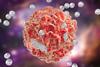
The effectiveness of nanoparticles in chemotherapy
Understanding more about the effect of liposome nanoparticles on the immune system will improve drug delivery systems.
-
 Article
Documenting the mammalian brain using machine learning
Novel approaches to brain disorder diagnosis and treatment may be developed following a project to form a map of the mouse hippocampus.
-
 Article
Discovering the principles of nervous system function
Dr William Schafer, of the MRC Laboratory of Molecular Biology, focuses on the cellular and molecular mechanisms of behaviour, which is one of the fundamental problems of biology. Schafer and his colleagues have studied the nematode Caenorhabditis elegans, using a variety of approaches such as optogenetic neuroimaging and high content ...
-
 Article
Novel technique to distinguish tumours from normal tissue
New imaging technology called fluorescence lifetime (FLT) imaging improves the accuracy of cancer surgery for multiple tumour types.
-
 Article
CAR-NK cells: promising for cancer therapy
The suitability of NK cells for cancer therapy has been challenged by some investor and business interests because of limited efficacy data, is this a valid belief at the present stage of development of the immune therapy field?
-
 Article
Breaking new ground in endometriosis treatment
Endometriosis is a debilitating condition that affects millions of women worldwide, causing chronic pain, infertility, and a host of other distressing symptoms. Current treatments offer limited relief, but they do not address the cause of the disease. Professor Hugo Vankelecom, at the helm of the CurE-me project, is on a ...
-
 Article
Foxp3 protein governs regulatory T cell genome structure
Foxp3 alters chromatin architecture of regulatory T cells, meaning Foxp3 could become a target for therapies that modulate immunosuppression.
-
 Article
How a dynein subunit maintains neuronal health
Understanding how a molecular transport system inside neurons works could be used for therapeutic approaches to neurodegenerative disease.
-
 Article
Navigating the challenges of cell therapies
Cell therapies hold great potential for treating complex diseases, yet they face significant limitations and challenges. Current cell therapies have difficulty distinguishing between healthy and cancerous cells, often resulting in adverse effects. Vittoria's innovative Senza5 platform, with its unique CD5-targeting approach, aims to enhance the efficacy, safety, and speed of ...
-
 Article
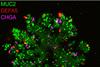
Human organoid research offers insights into gut cell differentiation
How stem cells become enteroendocrine cells using gut organoids could have positive implications for many gastrointestinal diseases.
-
 Article
New molecular insights on medical cannabis
A study explores some key biological mechanisms that help explain the therapeutic effects of medicinal cannabis on inflammation and other disease states. Here, researchers from the European Molecular Biology Laboratory outline their investigations into the effect of tetrahydrocannabinol (THC) on the enzyme Autotaxin.
-
 Article
Microbiotica: transforming medicine with microbiome magic
In this interview, Anne Neville, Director at Microbiotica, elaborates on the significance of the Microbiotica Culture Collection (MCC) and Microbiotica Reference Genome Database (MRGD), which are fundamental to the development of live biotherapeutic medicines.
-
 Article
Novel method for early cancer diagnosis
A recent scientific collaboration, led by the Institute of Nuclear Physics of the Polish Academy of Sciences, has overcome measurement challenges, enabling reliable cancer diagnosis.
-
 Article
Amino acid promotes tumour growth
Research into how the amino acid arginine drives metabolic reprogramming offers promise for liver cancer treatment.
-
 Article
Patient-derived organoids in disease modelling
In an exclusive interview with Nikki Carter at Molecular Devices, we explore the the power of patient-derived organoids (PDOs) in drug discovery.
-
 Article
The inner workings of environmental bacterium
Researchers have achieved profound insights into the inner workings of a prevalent environmental bacterium.
-
 Article
Alzheimer's genetic variants connected with microglia function
Researchers pinpoint connections of risk variants with microglia functions that are important for Alzheimer’s disease (AD).
-
 Article
eBook: Advancing 3D Culture Imaging For Biopharma
Download this FREE eBook, which explores some of the challenges encountered when imaging 3D culture models such as organoids and spheroids, and sheds light on innovative microscopy solutions that can empower scientists to make new advances in areas such as regenerative medicine, drug discovery, and disease research.
-
 Article
Episode 23 - Making organoids ready for screening
Tune into this podcast to understand why researchers are turning to 3D Organoids and how organoids can be made ready for screening.
-
 Article
Insights into the critical initial phase of embryonic development
Researchers from the University of Helsinki and the National Institutes of Health (NIH) in the United States have made a new discovery: the ectoderm, one of the germ layers, does not lose its pluripotency during gastrulation, contrary to prior beliefs.