
All articles by Ria Kakkad (Drug Target Review) – Page 2
-
 News
NewsResearchers discover the role of intestinal fibrosis in inflammatory bowel disease
The scientists used a new in vitro platform, which allowed intestinal organoids to be cultured on an open lumen, planar system that could be manipulated experimentally.
-
 News
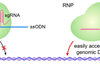
NewsResearch shows lipid nanoparticles are highly effective in gene therapy
Lipid nanoparticles have been used to encapsulate CRISPR-Cas9 and deliver it to cells in mice, where it was highly effective at knocking down expression of a target protein.
-
 News
NewsNew hydrogel stem cell treatment could repair injured brain tissue
The new ‘hybrid’ hydrogel allowed researchers to safely deliver stem cells to the site of a brain injury in mice.
-
 News
NewsTransplanted brain organoids show response to visual stimuli in adult rats
Researchers say that by looking at individual neurons, they were able to gain a deeper understanding of the integration of transplanted brain organoids.
-
 News
NewsScientists create organoid to understand hearing loss
The ground-breaking study is an important step towards modelling cochlear function in a dish.
-
 News
NewsResearchers develop organoid models to study non-alcoholic fatty liver disease
The team used these models to show drug responses and established a CRISPR-screening platform to identify potential therapeutic targets for non-alcoholic fatty liver disease.
-
 News
NewsResearchers discover small molecules that bind to SARS-CoV-2 spike proteins
The resulting compounds, which can bind to spike proteins from the original coronavirus, could serve as a starting point for developing broad-spectrum treatments for COVID-19.
-
 News
NewsResearch reveals protein plaques associated with Alzheimer’s disease are stickier than thought
Scientists from Rice University are using fluorescence lifetime to shed new light on a peptide associated with Alzheimer’s disease.
-
 News
NewsHost-cell factors involved in COVID-19 infections may predict improved treatments
Researchers have found a potential therapeutic target less vulnerable to potential drug resistance and emerging COVID-19 variants of concern.
-
 News
NewsResearchers develop novel method to insert large DNA sequences more accurately in cells
The scientists say that the engineered CRISPR enzymes could overcome key limitations for eventual use to treat genetic diseases irrespective of a patient’s particular mutation.
-
 News
NewsScientists identify therapeutic targets to overcome radioresistance of brain cancer cells
A new drug could replace the current standard for treating radioresistance brain cancer by sensitising the cancer cells to radiotherapy.
-
 News
NewsResearchers develop an all-optical system for testing lab-on-a-chip human hearts
A novel all-optical system uses optogenetics, machine vision cameras, and off-the-shelf components to stimulate and image engineered networks of human heart cells.
-
 News
NewsComputer models determine drug candidate’s ability to bind to proteins
Research by University of Arkansas scientists into the binding affinity of potential drugs could help reduce the cost and time associated with developing new drugs.
-
 News
NewsNew study highlights lipid nanoparticles and mRNA could treat blindness
The researchers developed nanoparticles able to penetrate the neural retina and deliver mRNA to the photoreceptor cells whose proper function makes vision possible.
-
 News
NewsStudy identifies gene and proteins that could treat dry eye disease
Researchers found that proteins made by stem cells that regenerate the cornea could be new targets for treating dry eye disease.
-
 News
NewsStudy suggests existing cancer drug may be effective against non-alcoholic fatty liver disease
The researchers used single-nuclear sequencing and advanced three-dimensional glass imaging of mice to find new drug targets for non-alcoholic fatty liver disease.
-
 News
NewsA promising oral drug delivery platform could replace injections with pills
The researchers explored the possibility of using the probiotic bacteria Lactobacillus reuteri as a novel oral drug delivery platform to treat rheumatoid arthritis in an animal model.
-
 News
NewsProtein Grb10 offers a potential new approach for treating obesity
The researchers found that the protein Grb10 promotes leptin activity in the brain, opening the possibility of developing Grb10-based new approaches to treat obesity.
-
 News
NewsThe spike of SARS-CoV-2 promotes metabolic rewiring in hepatocytes
The researchers argue hepatocytes are susceptible to SARS-CoV-2 pseudovirus infection and propose that metformin could be a therapeutic option to attenuate SARS-CoV-2 infection in patients with fatty liver.
-
 News
NewsScientists identify a biomarker that predicts CAR T-cell therapy efficacy
Combining AI with cutting-edge flow cytometry and massive sequencing technologies, researchers describe CAR T cell characteristics that determine their therapeutic capacity for the first time.
- Previous Page
- Page1
- Page2
- Page3
- Next Page