



All Sequencing articles – Page 2
-
 Article
Mapping the genome in 3D to reveal new drug targets
Find out how a three-dimensional view of the genome is giving scientists a clearer picture of disease biology and revealing new opportunities for targeted therapies.
-
 News
NewsOTULIN enzyme found to control tau production in Alzheimer’s
New research has shown that the enzyme OTULIN regulates tau at the gene-expression level rather than through protein degradation.
-
 Article
Deep data not big data
Bigger isn’t always better. In drug discovery, Dr Michael Ritchie argues that the future belongs not to those with the most data, but to those who understand its biological depth.
-
 Article
Inside ELRIG Drug Discovery 2025: automation, AI and human-relevant models
At ELRIG’s Drug Discovery 2025, Drug Target Review spoke with the teams turning big ideas into usable tools – automation, AI and biology – that help scientists work smarter.
-
 Article
SPNS1 mutations reveal new lysosomal lipid recycling pathway
Scientists have linked rare mutations in SPNS1 to a previously unknown lipid recycling pathway in lysosomes, revealing how faulty fat processing can trigger muscle and liver disease.
-
 News
NewsNew gene therapy restores brain function in SYNGAP1 disorder
Scientists have developed a new gene therapy that reversed symptoms of SYNGAP1-related brain disorders in mice, which could lead to new treatments for this group of neurological conditions.
-
 News
NewsHow smoking and alcohol shape mutations in our DNA
Researchers have refined a cutting-edge DNA sequencing tool that reveals how mutations accumulate in healthy tissues as we age, offering insights into the earliest stages of cancer development.
-
 News
NewsCloneSeq-SV: new blood test tracks ovarian cancer recurrence
Researchers have developed a new blood test method, CloneSeq-SV, that tracks treatment-resistant ovarian cancer cells over time. The approach could help predict recurrence and guide targeted therapies.
-
 News
NewsSenolytic drug combo boosts cancer immunotherapy and reduces side effects
Researchers have discovered that targeting immune cell ageing can overcome resistance to head and neck cancer treatment.
-
 Article
Accessible automation may change your day-to-day sooner than you think
Automation is fast and precise, but too often expensive and hard to use. Now modular, DIY tools are breaking down barriers and putting lab automation in every researcher’s hands.
-
 News
NewsTiny models, powerful insights: how organoids are driving precision oncology
A new review has highlighted how three-dimensional organoid models are transforming cancer research by replicating the complexity of human tumours – bringing precision oncology closer to the clinic.
-
 Article
From data to therapy: emerging tech driving cancer drug discovery
Multiomics, AI and liquid biopsies are giving researchers real-time insight into tumour biology and enabling more personalised cancer therapies. Find out how these technologies are advancing biomarker discovery, improving patient stratification, and guiding the design of new treatments.
-
 News
NewsFibroblast mapping reveals potential universal drug targets
Scientists have mapped the diversity of fibroblasts and discovered how ‘rogue’ fibroblasts drive multiple diseases, revealing drug targets that could transform treatments across the body.
-
 News
NewsMapping lung disease: new atlas to accelerate drug discovery
Helmholtz Munich and Parse Biosciences have collaborated to create the world’s largest lung disease perturbation atlas – which could aid the discovery of new therapeutic targets and accelerate the development of future lung disease treatments.
-
 News
NewsSoil’s hidden bacteria could hold future antibiotic breakthroughs
Researchers have unlocked the genetic secrets of soil’s hidden bacteria, discovering hundreds of previously unknown genomes and two promising new antibiotics.
-
 News
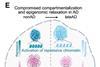
NewsTargeting gene regulation may hold key to future Alzheimer’s therapies
Researchers have discovered that Alzheimer’s disease is driven by a deeper loss of gene regulation in brain cells – offering potential new targets for future therapies.
-
News
Scientists chart ovarian reserve to help advance new infertility treatments
UCLA scientists have created the first detailed map of how the ovarian reserve forms in primates, offering new insights – and potential new treatments – for infertility, polycystic ovary syndrome (PCOS) and hormone-related conditions.
-
 Article
Beyond the hype: a veteran's honest assessment of AI in drug discovery - Part 2
Thibault Géoui explains why AI could finally help pharma overcome its productivity crisis and why the payoff won’t come as quickly as the optimists claim.
-
 News
NewsecDNA discovery targets 'zombie' cells in childhood cancers
Researchers have discovered how circular extra-chromosomal DNA drives relapse in childhood cancers and found a way to target dormant “zombie” tumour cells – which could allow for the development of more durable treatments.
-
 Article
From lab to clinic: the rise of Radio-DARPins in oncology
As radioligand therapy continues to show promise, its application in solid tumours remains limited by long-standing biological challenges. In this interview, Julien Torgue, CSO at Orano Med, discusses a new collaborative platform – Radio-DARPins – and how it could help overcome key barriers to clinical progress.