
Technology – Page 4
-
 Article
From war rooms to launch rooms: how AI is changing the game
Within3’s Jason Smith explores how artificial intelligence is breathing new life into next-generation launch situation rooms; delivering actionable insights for pharmaceutical companies.
-
 Article
The predictive validity crisis: Pharma’s productivity paradox – Part II
Part II shows that the predictive validity crisis can be solved by rethinking how the industry chooses models, measures outcomes and integrates systems. Success stories from Vertex, Regeneron and AstraZeneca illustrate how aligning biology, measurement and strategy can reverse decades of declining productivity.
-
 Article
How real-world data is accelerating drug discovery
Vish Srivastava considers the benefits of expanding the role of real-world data in drug discovery to provide improved therapies, faster and with greater success.
-
 Article
Building reliable organoid models for human-relevant drug discovery
Organoids are changing the landscape of biomedical research, with automation and AI driving new levels of consistency, scalability and human relevance. Aaron Risinger of Molecular Devices discusses how these technologies are advancing precision medicine – and the challenges that remain.
-
 Article
SPNS1 mutations reveal new lysosomal lipid recycling pathway
Scientists have linked rare mutations in SPNS1 to a previously unknown lipid recycling pathway in lysosomes, revealing how faulty fat processing can trigger muscle and liver disease.
-
 Article
Chemistry-aware AI offers new routes in small molecule design
AI has advanced molecule design, yet synthetic feasibility remains a bottleneck. Chemistry-first approaches offer a practical way forward.
-
 Article
The predictive validity crisis: Pharma’s productivity paradox – Part I
Drug discovery now costs 100 times more per FDA-approved drug than in 1950, despite vast advances in biology and computing. The core problem is the collapse of predictive validity in preclinical models, which sits at the heart of pharma’s productivity paradox.
-
 Article
Streamlining Biomanufacturing of Personalised Cancer Immunotherapies with Synthetic DNA
A Synthetic DNA Approach for Speed, Scale & Flexibility
-
 Article
Eye movements as objective biomarkers: accelerating CNS drug development
Measuring disease progression remains one of the biggest hurdles in CNS drug development. Eye movements, now trackable with just a laptop and webcam, are emerging as a sensitive and scalable biomarker that could transform how trials are designed and therapies reach patients.
-
 Article
Advancing gene editing: the role of lipid nanoparticles in CRISPR delivery
CRISPR therapies depend on delivery and lipid nanoparticles are emerging as a more flexible and scalable option than viral vectors.
-
 Article
An ethical shift in NHP research: iPSC-derived cardiomyocytes for safer pharmacology
As regulators move to phase out primate testing, NHP-derived iPSC cardiomyocytes are emerging as a scalable, ethical and scientifically robust alternative - offering drug developers a clear path to faster, more predictive, and more responsible innovation.
-
 Article
Beyond templates: advancing protein–protein interaction structure prediction with AI
Dr Alan Nafiiev evaluates template-based, docking and template-free approaches to PPI prediction, highlighting how AI can enhance structural accuracy.
-
 Article
Mass spectrometry workflows powering the future of biologics
Analysing complex biologics is one of drug discovery’s biggest challenges. At Genentech, Rachel Shi is developing MS workflows that deliver clearer answers, faster.
-
 Article
Accessible automation may change your day-to-day sooner than you think
Automation is fast and precise, but too often expensive and hard to use. Now modular, DIY tools are breaking down barriers and putting lab automation in every researcher’s hands.
-
 Article
From data to therapy: emerging tech driving cancer drug discovery
Multiomics, AI and liquid biopsies are giving researchers real-time insight into tumour biology and enabling more personalised cancer therapies. Find out how these technologies are advancing biomarker discovery, improving patient stratification, and guiding the design of new treatments.
-
 Article
Inside Zasocitinib: a new model for TYK2 inhibition in immune-mediated diseases
Zasocitinib is a highly selective, investigational TYK2 inhibitor developed to target immune-mediated diseases with fewer off-target effects than traditional JAK inhibitors. This article explores its mechanism, selectivity data and clinical progress.
-
 Article
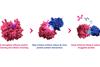
The science behind the systematic discovery of molecular glues
For decades, molecular glues have been stumbled upon rather than designed. A new scientific approach is now changing that – expanding what is considered druggable.
-
 Article
Why scientists are targeting the gut to treat peanut allergy
A new oral immunotherapy could change how peanut allergy is treated, targeting the gut to retrain the immune system and reduce the risk of life-threatening reactions. INP20’s nanoparticle technology promises a safer, more precise approach that could replace lifelong avoidance with lasting tolerance.
-
 Article
PDX models are back – and they’re exposing what cell lines missed
As cancer drugs continue to fail in translation, researchers are turning back to patient-derived xenograft (PDX) models – this time with better science. Could they be the missing link between the lab and the clinic?
-
 Article
Better assays: the key step in moving drugs from lab to clinic
From gene therapy to Long Covid, better assays are helping researchers move promising drug candidates from early studies into clinical trials. Dr Alexandre Lucas explains the technologies, challenges and innovations driving this progress.