



All 3D Cell Cultures articles – Page 4
-
 News
NewsDARG cells may drive neurodegeneration in progressive MS
Scientists have discovered a rare type of brain cell that appears to drive the chronic inflammation seen in progressive multiple sclerosis – which could potentially lead to new disease-modifying therapies.
-
 News
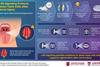
Newsc-Kit helps sweet cells survive and regenerate taste
A new study has demonstrated that sweet-sensing taste cells, protected by the protein c-Kit, survive nerve injury and drive the regeneration of taste buds.
-
 Article
An ethical shift in NHP research: iPSC-derived cardiomyocytes for safer pharmacology
As regulators move to phase out primate testing, NHP-derived iPSC cardiomyocytes are emerging as a scalable, ethical and scientifically robust alternative - offering drug developers a clear path to faster, more predictive, and more responsible innovation.
-
 News
NewsHibernator liver organoids reveal strategy to improve transplant survival
Researchers have created liver organoids from hibernating Syrian hamsters, revealing how these cells survive cold storage - a discovery that could improve liver transplant success.
-
 Article
From data to therapy: emerging tech driving cancer drug discovery
Multiomics, AI and liquid biopsies are giving researchers real-time insight into tumour biology and enabling more personalised cancer therapies. Find out how these technologies are advancing biomarker discovery, improving patient stratification, and guiding the design of new treatments.
-
 News
NewsNew nanostructure makes CRISPR edits safer and three times faster
Northwestern University researchers have created DNA-coated nanoparticles that deliver CRISPR into cells three times more effectively while reducing toxicity. The advance could overcome one of the biggest barriers to gene-editing therapies.
-
 News
NewsNew PCAI compound targets aromatase inhibitor-resistant breast cancer
Researchers at Florida A&M University have identified a new compound – NSL-YHJ-2-27 – that disrupts key survival pathways in aromatase inhibitor-resistant breast cancer cells – offering a potential new treatment for hard-to-treat cases.
-
 News
NewsAI-driven Alzheimer’s therapies show promise in early studies
Porosome Therapeutics has announced new advancements in Alzheimer’s treatment – presenting therapies that restore neuronal function, reduce Tau protein levels and reverse disease pathology in human brain organoids.
-
News
Whole-brain organoid offers breakthrough in neurological research
Johns Hopkins University scientists have engineered a new multi-region brain organoid that mimics early human brain development. The model offers a powerful new tool for studying disorders like autism, schizophrenia and Alzheimer’s disease.
-
 Webinar
Innovating Obesity Drug Discovery: Trends, Challenges, and Translational Strategies
Facing roadblocks in obesity drug discovery? Discover how integrated, validated strategies are helping teams accelerate development and reduce risk.
-
 News
NewsNew standards for brain organoids aim to boost drug discovery
A new international framework introduces rigorous validity standards for the use of brain organoids and iPSC-derived models in studying neuropsychiatric disorders. These guidelines aim to accelerate drug discovery and bring precision treatments closer to reality.
-
 News
NewsQTX153 reverses Rett symptoms and crosses key drug delivery barrier
QTX153, a novel HDAC6 inhibitor, has shown significant symptom reversal in preclinical models of Rett syndrome. This represents progress toward a therapy for a condition with no approved options.
-
 News
NewsScientists create advanced 3D liver model mimicking real tissue
Scientists have developed a 3D liver model, known as the periportal assembloid. This model replicates the liver’s complex structure and bile transport system, enabling more precise study of disease progression.
-
 News
NewsNew ‘ovaroid’ model research offers hope for reproductive disorders
Researchers have developed the first fully stem cell-derived model of human ovarian organoids, or "ovaroids," offering a powerful new tool for studying infertility, differences in sex development (DSDs), and related reproductive disorders.
-
 Article
Cracking the code to scalable cell and gene therapy
Cell and gene therapy is rapidly transforming the treatment of complex diseases, yet scaling production efficiently remains a challenge. Dr Tia Harmon from PHC Corporation of North America explores the innovations that are optimising cell expansion to enhance the discovery of advanced therapies.
-
 News
NewsNew liver organoids research brings hope for drug development
Researchers at Keio University have developed long-lasting, functional human liver organoids from frozen hepatocytes, marking a huge moment in organoid science.
-
 News
NewsLab-grown liver breakthrough could speed up drug development
Scientists have developed lab-grown liver organoids with functional zonation, a discovery that brings regenerative medicine a step closer to personalised, transplant-free liver therapy.
-
 Article
Building better drugs: how 3D models are shaping pre-clinical development
Three-dimensional (3D) models are reshaping pre-clinical drug development by providing more accurate insights into drug safety and efficacy. Explore how these advanced in vitro systems help improve predictions and reduce the risk of failure in early-stage drug discovery.
-
 Webinar
Advancing ADC Development: End-to-End Solutions from Design to Characterization
Dr. Francisca Neethling from Eurofins Discovery explores the comprehensive process of ADC development, covering payload linker design, optimization, and the bioanalytical and functional characterization of ADC molecules.
-
 Article
The future of cell therapy: scaling production for global reach
Scaling up cell therapy is no easy feat. PluriCDMO's Andy Lewin reveals the critical factors for success and how they are helping companies bring life-saving therapies to market.