



All Biologics articles – Page 2
-
 Article
Targeting inflammatory cell death to tackle relapse in AML
Relapse in acute myeloid leukaemia is driven by malignant cells that resist standard treatment. A synthetic cytokine approach in development targets inflammatory cell death pathways to suppress leukaemic cells while preserving healthy haematopoiesis.
-
 News
NewsNew Alco5 platform could advance cancer antibody therapies
Biotech company, Tubulis, has published preclinical data on its Alco5 antibody-drug conjugate platform, demonstrating the ability to link antibodies with previously inaccessible hydroxy-containing drugs.
-
 News
NewsScientists develop synthetic bacteriophages to fight drug-resistant bacteria
Scientists have developed the first fully synthetic method for building and reprogramming bacteriophages, offering a faster and safer route to designing virus-based treatments for drug-resistant bacteria.
-
 Article
Disrupting the biologics market through innovations in macrocycle R&D
New macrocycle technologies are turning a once difficult drug class into a scalable engine for developing potent oral therapies.
-
 Article
2026: the year AI stops being optional in drug discovery
AI is moving from a supporting role into the core of drug discovery. By 2026, it is expected to shape how targets are chosen, how biology is analysed and how development decisions are made.
-
 News
Newsinsitro expands AI drug discovery with CombinAbleAI acquisition
insitro has acquired Israeli AI therapeutics company CombinAbleAI and launched its TherML platform, creating an end-to-end, modality-agnostic system for designing small molecules, antibodies, oligonucleotides and other complex biologics.
-
 Article
The data fragmentation problem holding drug discovery back
The DMTA cycle depends on clear data flow, yet most labs still work across disconnected systems. Sean McGee, Director of Product at Certara, explains how better infrastructure and AI can help teams work faster and make decisions with more confidence.
-
 News
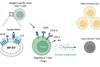
NewsEngineered extracellular vesicles control immune responses
Researchers have engineered new extracellular vesicles that can selectively induce antigen-specific regulatory T cells, possibly leading towards safer, more precise treatments for autoimmune and allergic diseases.
-
 Article
Peptides in practice: what it takes to advance these therapies to clinic
Peptide therapeutics are emerging as a powerful class of medicines capable of targeting diseases that challenge traditional modalities. This article reveals their rising clinical impact and the key development, safety and translational challenges that must be addressed to bring them successfully to patients.
-
 Article
Why patient-derived biology matters for ADC discovery
What can we learn from tumours after they stop responding to treatment? By studying patient tissue directly, researchers are finding new ADC targets that conventional screening often misses.
-
 Article
Building better biologics and a stronger future for women in STEM
Great biologics don’t happen by chance, and neither do great STEM careers. Dr Lidia Serina shares the lessons behind both.
-
 News
NewsInhibiting DDR1 pathway helps breach pancreatic cancer’s drug barrier
Scientists in Japan have identified a way to weaken the dense fibrotic barrier that prevents drugs from penetrating pancreatic tumours – a promising new strategy that could improve treatment for pancreatic cancer.
-
 News
NewsTY1: new experimental drug restores tissue after heart attack
Scientists have developed an experimental RNA-based drug, TY1, that repairs DNA, reduces scar tissue and could lead to new treatments for heart attacks and autoimmune diseases.
-
 News
NewsNew CAR-NKT treatment destroys metastatic pancreatic tumours
A novel CAR-NKT immunotherapy developed at UCLA has shown striking success in preclinical models of metastatic pancreatic cancer, which could hopefully lead to more accessible treatments.
-
 News
NewsSamsung invests in Phrontline to advance next-gen ADC therapies
Samsung Life Science Fund has made a strategic equity investment in clinical-stage biotechnology company Phrontline Biopharma, supporting the development of next-generation antibody-drug conjugates (ADCs).
-
 Article
An ethical shift in NHP research: iPSC-derived cardiomyocytes for safer pharmacology
As regulators move to phase out primate testing, NHP-derived iPSC cardiomyocytes are emerging as a scalable, ethical and scientifically robust alternative - offering drug developers a clear path to faster, more predictive, and more responsible innovation.
-
 Article
Fast-tracking advanced therapies without compromising regulatory success
Early planning for potency CQAs, comparability and evolving global regulations can set advanced therapies on the fastest path to approval. Dr Christian Schneider shares how to prepare from the start to accelerate development without compromising the evidence regulators expect.
-
 Article
Mass spectrometry workflows powering the future of biologics
Analysing complex biologics is one of drug discovery’s biggest challenges. At Genentech, Rachel Shi is developing MS workflows that deliver clearer answers, faster.
-
 Article
Inside the search-and-develop model tackling 1,000 untreated skin diseases
With over 1,000 skin diseases lacking approved treatments, a search-and-develop model is changing how new therapies are sourced and developed. Chief Scientific Officer, Jacob Pontoppidan Thyssen, outlines the strategy behind it.
-
 Article
How to select the optimal bispecific antibody format for therapeutic success
Choosing the right bispecific antibody format can make or break your therapy’s success. This article explores how format impacts function, manufacturability and development strategy - helping you make the best choice from the start.
- Previous Page
- Page1
- Page2
- Page3
- Page4
- Next Page