



All Biotherapeutics articles – Page 2
-
 News
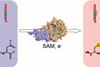
NewsEnzyme PapB could boost diabetes and obesity peptide drugs
Researchers have discovered an enzyme, PapB, that can ‘tie off’ therapeutic peptides into stable rings, which could help improve GLP-1 drugs for diabetes and obesity – making them more effective and longer lasting.
-
 Article
Fast-tracking advanced therapies without compromising regulatory success
Early planning for potency CQAs, comparability and evolving global regulations can set advanced therapies on the fastest path to approval. Dr Christian Schneider shares how to prepare from the start to accelerate development without compromising the evidence regulators expect.
-
 Article
Mass spectrometry workflows powering the future of biologics
Analysing complex biologics is one of drug discovery’s biggest challenges. At Genentech, Rachel Shi is developing MS workflows that deliver clearer answers, faster.
-
 Article
How to select the optimal bispecific antibody format for therapeutic success
Choosing the right bispecific antibody format can make or break your therapy’s success. This article explores how format impacts function, manufacturability and development strategy - helping you make the best choice from the start.
-
 News
NewsHow to select the optimal bispecific antibody format for therapeutic success
Discover the key scientific, strategic and manufacturing factors that could decide whether your bsAb succeeds in the clinic or stalls in development.
-
 Article
Why most T-cell engagers fail - and how to fix it
Bispecific T-cell engagers are advancing fast - but complexity still slows development. This article explores how data-driven, platform-based strategies are helping overcome design and manufacturing hurdles to bring these next-gen therapies to patients faster.
-
 News
NewsHow a PRL3-targeting cancer drug could help millions see again
Singapore researchers have found that cancer drug PRL3-zumab shows strong potential for treating wet age-related macular degeneration and diabetic retinopathy - two leading causes of blindness worldwide.
-
 News
NewsSlowing intracellular transport boosts potential for RNA therapies
Researchers at the University of Basel and Roche have discovered that slowing the intracellular transport of RNA-based drugs significantly improves their therapeutic impact.
-
 Article
Inside AACR: DARPins take aim at hard-to-treat tumours
Amelie Croset of Molecular Partners breaks down the DARPin developments featured at AACR 2025 – from targeted radiopharmaceuticals to precision-engineered immune cell engagers.
-
 News
NewsNew partnership targets CNS symptoms in ultra-rare diseases
Chiesi Group and Key2Brain have signed a global license agreement to develop two blood-brain barrier-crossing enzyme replacement therapies for alpha-mannosidosis and Krabbe disease – with the aim to help patients with limited treatment options.
-
 Article
Pain relief without the risk: why SRP-001 could change everything
A practicing surgeon turned biotech CEO is developing a novel pain medicine that could sidestep the failures of both opioids and paracetamol.
-
 Article
New tRNA tech aims to rewrite rare disease treatment
Alltrna is redefining the future of rare disease treatment with engineered tRNA therapeutics that target genetic mutations - not just individual diseases. CEO Michelle Werner shares how this bold, mutation-driven approach could unlock universal treatments for thousands of patients long overlooked by traditional medicine.
-
 Article
Strategic planning in ADC development: insights from Lonza
Preclinical and clinical development are critical to the success of ADCs, where early strategic decisions regarding manufacturability and scalability can make or break a project. Iwan Bertholjotti of Lonza emphasises the importance of proactive planning to avoid costly delays and ensure smooth progress towards clinical success.
-
 Article
New fixed-duration therapy could reshape CLL care
Advancements in chronic lymphocytic leukaemia (CLL) treatment, like the AMPLIFY Phase III trial combining acalabrutinib and venetoclax, offer less toxic and more effective options. Learn from AstraZeneca’s Benjamin Moutier about how this breakthrough highlights the potential of targeted therapies to improve outcomes and reduce treatment burden, marking a key moment ...
-
 Article
Transforming biotherapeutics delivery for local communities
Vitalant is transforming the path from preclinical drug discovery to patient care by enabling access to cutting-edge cell and gene therapies. With decades of expertise and a nationwide network, find out how they bridge the gap between innovative treatments and local communities, ensuring life-changing therapies reach patients efficiently.
-
 News
NewsTargeting PLA2G15 to treat neurometabolic disorders
Scenic Biotech and Stanford University have published a study identifying PLA2G15 as a new drug target in neurodegenerative and metabolic diseases, potentially enabling future treatments for conditions like Niemann-Pick type C.
-
 News
NewsEli Lilly backs Creyon’s quantum chemistry platform in $1B RNA drug deal
The partnership allows for the further development of AI-designed RNA-targeted therapies for a range of diseases.
-
 Article
Building the requisite clinical development infrastructure for medical innovation to thrive
Outdated clinical development systems are slowing breakthroughs like gene therapies and precision medicine. This article explores how a flexible, on-demand approach can accelerate drug development and bring innovations to patients faster.
-
 Article
Synthetic promoters enhance gene therapy precision
Discover how Chromatin Bioscience’s synthetic promoters are transforming gene therapy by enhancing precision, boosting safety and improving manufacturing efficiency.
-
 Article
Next-gen ADCs: Tubulis sets new standard in cancer treatment
Tubulis, led by CEO Dominik Schumacher, is advancing cancer treatment through next-generation antibody-drug conjugates (ADCs) designed to target solid tumours more effectively. Find out how the company is rapidly progressing its ADC pipeline to offer more precise and lasting treatment options for patients.
- Previous Page
- Page1
- Page2
- Page3
- Next Page