



All Cancer Research articles
-
News
New combination treatment enables targeting of non-responsive lung tumours
The newly identified KRAS G12C inhibitor, with SHP2 inhibition, sensitises tumours to immune checkpoint blockade.
-
 Article
Looking beyond traditional oncogenic pathways to break cancer resistance
Drug resistance is the leading cause of poor clinical outcomes for cancer patients undergoing targeted therapies. While current treatments are designed to inhibit targets along established oncogenic signalling cascades, a new, exciting approach is to address non-oncogene-related resistance mechanisms that operate in parallel to the “classic” oncogene pathways. Blocking transcriptional ...
-
 Article
Initial in vivo validation of novel cancer therapeutics using AI
In this Q&A, Dr Alan D. Roth, CEO of Oxford Drug Design, explains how his AI drug discovery company, which develops novel molecules for use in cancer treatments, has completed the first in vivo validation in its potential first-in-class approach against multiple tumours. A 28-day mouse trial showed clear efficacy ...
-
 News
NewsNew network model efficiently identifies cancer driver genes
The model enables researchers to expand the number of tumours that they can study, increasing their ability to detect novel interactions.
-
 News
NewsNSD2’s role in driving prostate cancer development
This study is the first to demonstrate that NSD2 is foundational to the earliest stage of prostate cancer development.
-
 News
NewsNovel compound for targeted alpha therapy
NpG-D-PSMA has shown great potential for targeted alpha therapy to combat prostate cancer.
-
 News
NewsPancreatic cancer suppressed by humanised anti-CKAP4 antibody
The humanised antibody, Hv1Lt1, showed promising results in pancreatic cancer mouse models.
-
 News
NewsLargest multi-omics study of colorectal cancer to date
Five distinct CRC prognostic subtypes were identified, which could revolutionise the way CRC is diagnosed and treated.
-
 News
NewsGenetic variants influencing SR B-ALL relapse risk identified
Genome and transcriptome sequencing revealed that subtypes such as TCF3/4::HLF were associated with an increased risk of relapse.
-
 News
NewsType 1 regulatory cells limit immunotherapy success
Scientists discovered the number of Tr1 cells increased as tumours grew larger, making mice insensitive to immunotherapy.
-
News
Improving the effectiveness of immunotherapy for glioblastoma
Researchers utilised AI to identify genes that reprogramme GBM cancer cells into dendritic cells within the tumour.
-
 News
NewsTreating HCC with genetically modified NK-cell therapy
Blocking the TGF-β signalling pathway produced effective antitumour activity against hepatocellular carcinoma.
-
 Article
Liquid biopsy helps advance oncology drug development
In this exclusive interview with Elicio Therapeutics, we explore the transformative potential of liquid biopsy in oncology drug development, particularly spotlighting its application in Elicio’s AMPLIFY-201 study of ELI-002, a promising therapeutic cancer vaccine candidate.
-
 Article
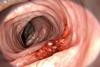
How MMR-deficient colorectal cancers regulate their growth
Understanding how MMR-deficient colorectal cancers drive tumour growth and avoid immune detection could pave the way for personalised cancer medicine.
-
 News
NewsPredicting pancreatic cancer metastasis
Molecular, cellular and metabolic analyses of liver biopsies identified markers that may predict subsequent metastasis of pancreatic cancer.
-
 News
NewsNovel inhibitor developed to combat HER2-positive breast cancer
The inhibitor, HVH-2930, effectively induced apoptosis in breast cancer cells without initiating the heat shock response.
-
 News
NewsAssessing the risk of HCC with machine learning
A novel screening tool may increase the five-year survival rate of hepatocellular carcinoma patients to 90 percent.
-
 News
NewsNew 3D genomic profiling technique details PanINs
Researchers have developed a 3D approach to improve the characterisation of pancreatic intraepithelial neoplasias.
-
 News
NewsCancer dependencies missed by some CRISPR guides
Scientists discovered that, depending on germline variation, CRISPR-based experiments can result in false negatives.
-
 Article
New algorithm forms atlas of histomorphological phenotypes
The algorithm can accurately diagnose cases of lung adenocarcinoma, determining structural features that are statistically most significant for assessing disease severity and likelihood of tumour recurrence.