



All Cancer Research articles – Page 2
-
 Article
A T cell receptor immunotherapy against a novel target
In this Q&A, Associate Director, Research at Immunocore, Dr Ana Pereira Ribeiro, talks about IMC-R117C, a T cell receptor bispecific immunotherapy directed towards a novel target, PIWIL1, and about to enter Phase I testing in colorectal and gastrointestinal cancers.
-
News
Macrophage-mediated phagocytosis: treating solid tumours
A new immunotherapy approach combining co-engineered T cells and antibodies enhances phagocytosis of tumour cells.
-
 News
NewsProteogenomics: finding targets for never-smoker lung cancer
Through multi-omics analysis, researchers find that oestrogen signalling could be a target for never-smoker lung cancer cases.
-
 Article
Leveraging ADCs in precision oncology strategy
In this Q&A, senior leaders at Caris Life Sciences discuss how the company is advancing precision medicine by integrating ADCs into patient-specific cancer treatment plans, focusing on novel target discovery through comprehensive molecular profiling and clinico-genomic data.
-
 News
NewsReprogramming immune-suppressive macrophages in tumours
A novel drug, JHU083, turns into its active, glutamine-blocking form inside tumours, shrinking prostate and bladder cancers in mice.
-
 Article
Improving treatment responses to solid tumours with trispecific TCEs
Following Zymeworks’ presentation at AACR 2024, in this Q&A, Dr Nina Weisser explains how the next generation trispecific T cell engager platform with integrated CD28 costimulation is engineered to tackle solid tumours.
-
 News
NewsOvarian cancer: CBR-5884 demonstrates promising antitumour effects
In assays and patient-derived organoids, the small molecule inhibitor CBR-5884 successfully treated epithelial ovarian cancer.
-
 News
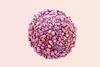
NewsBreast cancer genetic variants in women of African ancestry
Researchers identified variants in three loci that were associated with risk of triple-negative breast cancer.
-
 Article
Utilising engineered peptides for immunotherapy
In this Q&A, Dr DaeYong Lee discusses how a new method for building up natural immune response could lead to new immunotherapy drugs with safer toxicity profiles.
-
 Article
Overcoming the limitations of current drug discovery approaches
In this Q&A, Simon Kerry, CEO of Curve Therapeutics, shares the company’s recent milestones, insights into the innovative Microcycle platform, and how Curve plans to remain on the cutting edge of drug discovery.
-
 News
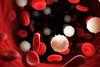
NewsAssociations of AML MRD levels with posttransplant clinical outcomes
Patients with no detectable FLT3 mutations had the best outcomes after an allogenic hematopoietic cell transplant.
-
 News
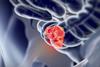
NewsNew methodologies to find microbiome biomarkers
Confounder control and quantitative profiling revealed misleading associations between microbial markers and colorectal cancer development.
-
 Article
Unlocking the potential of antibody drug conjugates
Zymeworks’ Dr Paul Moore, Dr Raffaele Colombo and Dr Jamie Rich discuss how advancements in ADCs are redefining cancer treatment. They elucidate the innovative strategies that are being developed to improve drug stability and how personalised medicine approaches are optimising outcomes for individual cancer patients, offering new hope across several ...
-
 News
NewsFirst animal model for Kaposi sarcoma developed
The mouse model provides a new understanding of the fundamental aspects of KSHV, which will enable drug and vaccine development.
-
 News
NewsHow tumours prevent formation of immune responses
Scientists found that preventing the effects of prostaglandin E2 could be an effective therapy to overcome tumour defence.
-
 News
NewsMini-colons reveal complex process of tumorigenesis ex vivo
The mini-colons are topobiologically complex, can be induced to develop tumours in targeted areas and reduce the use of animal models.
-
 News
NewsNew single-cell lipidomics method may unlock cancer treatments
A new method for a fragmentation-based identification of lipids could enable the study of cancer cells in detail not seen before.
-
 News
NewsTargeting RAS to overcome FLT3 AML drug resistance
It was discovered that targeting RAS proteins prevent cancer cells from using different signalling pathways to escape cell death.
-
 Article
Developing the next generation of antibody drug conjugates
In this Q&A, Léo Marx, Medicinal Chemistry Project Manager at Debiopharm, details how the therapeutic window of ADCs can be impacted, how we can overcome the challenges associated with achieving site-specific bioconjugation, and other essential considerations for optimising ADC performance.
-
 News
NewsDrug-loaded 3D printed films could revolutionise liver cancer treatment
The new films killed over 80 percent of cancer cells, reduced recurrence rates and minimised undesirable chemotherapy side effects.