



All Cancer articles – Page 10
-
 Article
Overcoming the limitations of current drug discovery approaches
In this Q&A, Simon Kerry, CEO of Curve Therapeutics, shares the company’s recent milestones, insights into the innovative Microcycle platform, and how Curve plans to remain on the cutting edge of drug discovery.
-
 Article
Unlocking the potential of antibody drug conjugates
Zymeworks’ Dr Paul Moore, Dr Raffaele Colombo and Dr Jamie Rich discuss how advancements in ADCs are redefining cancer treatment. They elucidate the innovative strategies that are being developed to improve drug stability and how personalised medicine approaches are optimising outcomes for individual cancer patients, offering new hope across several ...
-
News
New TEC organoid model to study thymus function
The new organoids demonstrate a greater diversity of TECs in culture and are capable of maturing T cells.
-
 News
NewsHow tumours prevent formation of immune responses
Scientists found that preventing the effects of prostaglandin E2 could be an effective therapy to overcome tumour defence.
-
 Article
Uncovering the genetic and cellular impacts of smoking
Epigenetic data assessing the effects of smoking on DNA methylation could serve as biomarkers of exposure effects.
-
 Article
Pioneering the advancement of pre-targeted radioimmunotherapies
Although pre-targeting is still in its infancy, it has immense potential to increase state-of-the-art radioligand therapies. In this Q&A, PreTT reveals how their pre-targeted RLTs surpass traditional methods, transforming cancer treatment.
-
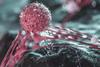 News
NewsFOXO1 improves survival and function of CAR T cells
Evidence indicating that FOXO1 plays a unique role in promoting T cell longevity could result in more effective CAR T cell therapies.
-
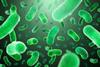 News
NewsLink identified between bacteria and cancer treatment efficacy
Researchers mapped the bacteria present in over 4000 metastatic tumour biopsies, which could enable the exploration of new treatments.
-
Article
HIF inhibition: a potential therapeutic approach for cancers
In this Q&A, Curve Therapeutic’s Chief Scientific Officer Professor Ali Tavassoli discusses how dual HIF inhibition could combat solid tumours.
-
 Article
Breaking resistance – the future of immunotherapy in oncology
In this episode, we explore the current status and potential solutions to addressing major hurdles in oncology.
-
News
Study concludes that most aspects of aging relate to gene length
New findings about how long genes become less active with age could impact treatments for neurodegeneration, among other conditions.
-
 Report
Beyond the lab: vaccine development
This report provides insights into current research and future prospects from potential breakthroughs to global collaboration in pandemic preparedness.
-
Article
The advancement of drug-free immunotherapy
Researchers have created a neutrophil therapy, involving micropatches that maintain the cells’ antitumour state, which could offer significant clinical and commercial value.
-
Article
Optimised antibody panels for CTC and rare cell enumeration
Despite significant strides in cancer research, metastasis remains the primary cause of cancer-related mortality globally. Joby Chesnick and Tracey Long, from the Digital Biology Group and Life Science Group, respectively, at BioRad Laboratories, reveal how investigation into circulating tumour cells (CTCs) and other rare cell types has led to the ...
-
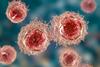 News
NewsTargeting cancer cells in early hypoxia
Inhibiting the LDHA and GOT1 enzymes could prevent cancer cells’ ability to produce energy, without affecting healthy cells.
-
 News
NewsNew insights into PD-1 formation could greatly improve treatments
A single change in the amino acid structure of the transmembrane segment can either enhance or diminish the inhibitory function of PD-1 in immune responses.
-
News
How fusion proteins drive paediatric cancer
Researchers discover that fusion proteins and a gene regulatory protein complex interact through disordered domains.
-
 News
NewsRAD51 prevents DNA re-replication
Researchers find that the RAD51 protein prevents genomic duplications that could arise from reactivated origins.
-
 Article
Women in Stem with Leila Jaafar
After gaining her PhD in Biophysics as an International Max-Planck Research School scholar, Leila joined the nuclear field in 2006, starting as an engineer in radiation protection and neutron fluence. Throughout Leila’s career, she has worked across multiple disciplines as a technical project lead in nuclear engineering, lastly in the ...
-
 Article
The future of cancer immunotherapy with Elicio Therapeutics
In this exclusive interview with Dr Christopher Haqq, Executive Vice President, Head of Research and Development, and Chief Medical Officer of Elicio Therapeutics, we explore the latest in Cancer Immunology Research. The study highlights the promising preclinical data demonstrating the potential of TCR-T cell therapy in combination with lymph node-targeted ...