



All Cancer articles – Page 15
-
 Article
Chemotherapy-free treatment for patients with blood cancer
Dr Andy Souers highlights the unwavering commitment to finding an enhanced therapeutic approach that eliminates the need for chemotherapy in blood cancer treatment. This transformative discovery represents a significant leap forward in the way we combat this complex disease, offering new hope to countless patients worldwide.
-
 Article
Targeting the immunotherapy potential of cytokines IL-12 and IL-18 with new advancements in protein engineering
In this article Dr Raymond Winquist, Oncology Fellow at Alkermes, covers the longstanding research challenges associated with cytokines: IL-12 and IL-18, and their untapped potential in immunotherapy and immuno-oncology.
-
 Article
Breakthrough drug candidates and cancer treatment innovations
In this exclusive interview with Dr Paul Moore, Chief Scientific Officer from Zymeworks, we explore the impressive responses of Zymeworks' antibody-drug conjugate ZW191 in FRα-low expressing models, indicating its efficacy in treating various oncology indications.
-
 Article
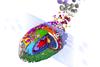
Framework for understanding cell organisation and variation
From a database of more than 200,000 high-resolution, three-dimensional images of human induced pluripotent stem cells, researchers have devised a model to quantify cell shape and internal organization. Susanne Rafelski, Deputy Director of the Allen Institute for Cell Science, revealed details of their study to Drug Target Review.
-
 Article
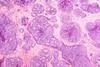
New insight into BRCA2 gene mutations and cancer risk
A recent study from researchers at the University of California examines the BRCA2 gene, which plays a crucial role in repairing damaged DNA, and possible links with increased risk of breast and ovarian cancer.
-
 News
NewsCustomising T cell-based immunotherapies to treat cancers
US researchers usings a ‘SNAP’ receptor system can customise immunotherapies for targeted treatments of cancer and other diseases.
-
 News
NewsReviving T cells to tackle immunotherapy-resistant cancers
US researchers utilise a new approach to immunotherapy, using exhausted T cells that could help overcome treatment resistance in cancers.
-
 News
NewsStem cell discovery has potential to impact cancer treatments
A team from Trinity College Dublin have uncovered mechanisms that stem cells use to establish cellular identity, a process that will have potential in cancer and targeted treatments.
-
 News
NewsAnalysis of 33 tumour types identifies new immunotherapy targets
The researchers identified 1,068 transposable element-derived transcripts with the potential to produce tumour antigens that could serve as targets for new immunotherapies.
-
 News
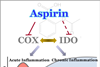
NewsNovel study suggests alternatives to aspirin with fewer side effects
The new findings could pave the way to safer aspirin alternatives and might also have implications for improving cancer immunotherapies.
-
News
The immune system's power over antibiotics for infections
The natural process of removing damaged cell parts could present an alternative to antibiotics, especially where bacteria have become resistant to existing drugs.
-
 News
NewsWhat is the key source of T cell exhaustion?
US discovery opens the way to drugs that can prevent T cell therapies from losing their potency over time.
-
 News
NewsEnzyme opens door to new therapeutic targets for cellular stress
The activity of enzyme ATE1, as seen by US researchers, flags misfolded proteins for destruction and is enhanced by binding iron-sulphur clusters.
-
 News
NewsNew self-powered drug delivery system
US researchers have invented a drug delivery technology that has implications for opioid epidemic, cancer treatment, rehabilitation care and more.
-
 News
NewsTherapeutic strategy using p53 induces cancer cell death
US researchers spotlight how p53, the most frequently mutated tumour suppressor gene, can be activated against cancer cells.
-
 Article
Latest in lab automation
In this article Drug Target Review's Izzy Wood highlights three of the latest findings using lab automation techniques and technologies that aid scientists.
-
 News
NewsWhat do cancer cells crave?
US researchers uncover the amino acid: arginine, that prompts genetic mutations in cancer cells.
-
 Article
Transforming the way cancer vaccines are designed and made
Researchers found that ‘rational vaccinology’ increases potency by changing the structural location of antigens and adjuvants.
-
 News
NewsAI tools aid the discovery of super tight-binding antibodies
An AI strategy developed by US scientists could accelerate the development of new antibody drugs.
-
 News
NewsThe role immunological memory plays in fighting disease
US research about immunological memory may help development of potential vaccines or immunotherapies for cancer and various inflammatory diseases.