



All Chemotherapy articles – Page 2
-
 Article
What’s changing in cancer drug discovery – and why it matters now
Take part in a live Q&A with oncology experts as they explore the scientific advances driving cancer drug discovery.
-
 News
NewsHypoxia and EUDAL: the hidden drivers of oral cancer survival
A newly discovered RNA molecule, EUDAL, helps oral cancers survive chemotherapy by keeping a key growth protein permanently active. Researchers say targeting EUDAL could predict resistance and improve treatment outcomes.
-
 News
NewsGlioblastoma treatment boosted by new drug combination strategy
Researchers in China have discovered how glioblastoma adapts to low-oxygen conditions – revealing a new treatment strategy that combines an orphan drug with standard chemotherapy to overcome resistance.
-
 News
NewsBreakthrough glioblastoma research wins £400k charity funding
King’s College London and Medicines Discovery Catapult have secured £400,000 from The Brain Tumour Charity to fast-track a new drug delivery approach for glioblastoma, the most aggressive brain cancer. The project will support preclinical studies to move potential treatments closer to patients.
-
 News
NewsNew sticky material mimics gecko feet to fight tumours
Inspired by the gecko lizard’s grip, scientists at CU Boulder have developed a sticky, biodegradable material that clings to tumours and delivers chemotherapy drugs over several days.
-
 News
NewsHow bowel cancer beats treatment - and how AI can stop it
Scientists have developed a new AI-guided tool that predicts how bowel cancer becomes resistant to treatment – which could lead to development of new personalised therapies.
-
 News
NewsNew drug combo targets colorectal cancer mutation
Dr Justin Taylor of Sylvester Comprehensive Cancer Center has identified a promising drug combination that shrinks colorectal tumours in preclinical models.
-
 News
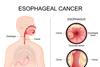
NewsOrganoids take on ESCC’s toughest tumours
A new study at Science Tokyo has developed patient-derived organoids to better understand and combat resistance in oesophageal squamous cell carcinoma (ESCC).
-
 News
NewsDiabetes drug found to protect heart during cancer treatment
A commonly prescribed diabetes medication could significantly enhance long-term recovery prospects for cancer patients by reducing their risk of heart failure, a new study from the University of East Anglia (UEA) reveals.
-
 Article
Refining and targeting exatecan with ADC technology
DTR speaks with Dr Patrick van Berkel at ADC Therapeutics to discuss how the company is transforming exatecan delivery to achieve better health outcomes.
-
 News
NewsPancreatic cancer suppressed by humanised anti-CKAP4 antibody
The humanised antibody, Hv1Lt1, showed promising results in pancreatic cancer mouse models.
-
 Article
How mRNA technology could revolutionise therapeutics
In this episode, we explore how mRNA technology could revolutionise cancer therapeutics.
-
 News
NewsThe emergence of targeted alpha therapy for glioblastoma
Targeted alpha therapy shows promising preclinical results, increasing survival rate by 36.4 percent in recurrent tumours.
-
 News
NewsPredicting persistent taxane-induced peripheral neuropathy
Researchers have developed a prediction model to ascertain breast cancer survivors’ risk of persistent taxane-induced peripheral neuropathy.
-
 News
NewsOvercoming chemotherapy resistance in pancreatic cancer
Researchers have discovered that pancreatic cancer’s resistance to chemotherapy is related to the physical stiffness of the extracellular matrix.
-
News
B-ALL: combination therapy effectively controls high-risk subtypes
The combination therapy worked faster and was lessened the number of leukaemia cells compared to asparaginase or venetoclax alone.
-
 Article
Using AI to predict metastatic behaviour of NSCLC
Dr Richard Cote and Dr Ramaswamy Govindan of the Washington University School of Medicine elucidate how AI, particularly deep learning networks, could identify histopathologic features in non-small cell lung cancer, and impact the treatment approach for early-stage patients.
-
 News
NewsReversing malignant cancer cells to a normal state
A new proof-of-principle study demonstrates the DCAF5 protein is a promising target, which could avoid the need for toxic therapies.
-
 News
NewsPotential for personalised, molecularly guided UTUC treatments
The findings from DNA and RNA sequencing in primary and metastatic UTUC tumours could lead to strategies to improve patient outcomes.
-
 News
NewsOrganoid drug testing predicts bowel cancer treatment response
A new study proves that organoid drug testing is highly accurate at predicting effective treatments and finds a novel therapeutic option.
- Previous Page
- Page1
- Page2
- Page3
- Next Page