



All DNA articles – Page 3
-
 News
NewsDeveloping a globally-applicable HIV cure
A new assay has been developed which enables the detailing of intact proviral genomes of under-studied HIV strains.
-
 News
NewsCancer dependencies missed by some CRISPR guides
Scientists discovered that, depending on germline variation, CRISPR-based experiments can result in false negatives.
-
 Article
Exploring the wonders of molecular biology
In this episode, we explore our understanding of DNA and its implications for health outcomes. Additionally, we discuss the transition from DNA sequencing to actionable insights in medicine, contrasting genetics-driven drug discovery with traditional methods. Finally, we examine the evolving landscape of genetic technology and its potential impact on the ...
-
 Article
Uncovering the genetic and cellular impacts of smoking
Epigenetic data assessing the effects of smoking on DNA methylation could serve as biomarkers of exposure effects.
-
 News
NewsNew screening method for HPV-positive head and neck cancer
A urine-based test that detects ctDNA from HPV-positive head and neck cancers could facilitate its early detection.
-
News
Study concludes that most aspects of aging relate to gene length
New findings about how long genes become less active with age could impact treatments for neurodegeneration, among other conditions.
-
 News
NewsThe first core regulatory circuit identified for ALCL
New understanding of the CRC and its interaction with STAT3 could lead to novel therapeutics and combination strategies.
-
 News
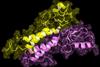
NewsThe mechanism of PARP inhibitor action is identified
New findings will enable the development of safer PARP inhibitors that inhibit PARP’s enzymatic activity without trapping it on DNA.
-
 Article
Developing an mRNA therapy for Duchenne muscular dystrophy
In this Q&A, Aki Ko, CEO and co-founder of Elixirgen Therapeutics, elucidates how their new mRNA technology could potentially restore muscle function in those suffering from Duchenne muscular dystrophy.
-
 News
NewsIn vitro gametogenesis: a novel approach
Scientists have reported a promising technique, based on somatic cell nuclear transfer, to treat infertility.
-
 News
NewsNew algorithm identifies high-risk precancerous lesions
Researchers have developed an algorithm which could improve diagnostics of ovarian high-grade serous carcinoma.
-
 News
NewsRAD51 prevents DNA re-replication
Researchers find that the RAD51 protein prevents genomic duplications that could arise from reactivated origins.
-
 Article
Women in Stem with Dr Amber D. Van Laar
Dr Amber Van Laar shares her remarkable journey in STEM. From a childhood fascination with science and medicine to a pivotal role as VP Clinical Development, AskBio. In this interview, she explores the profound impact of her early exposure to neuro-oncology, the challenges faced as a physician-scientist, and the pursuit ...
-
 News
NewsImproved gene editing method for mitochondrial genetic diseases
Researchers have developed the world’s first animal model with A-to-G mtDNA edits achieved using engineered TALEDs.
-
 News
NewsHow the DA subtype of Wilms tumour resists chemotherapy
Researchers suggest that DA histology slowly emerges by accumulating burdens of DNA damage and copy number aberrations.
-
 News
NewsAdvantages of using cfDNA sequencing for early detection of GDM
A deep learning model developed using circulating cell-free DNA outperformed traditional screening methods for gestational diabetes mellitus.
-
 News
NewsImproving cancer treatment by exploiting mtDNA mutations
For the first time, mitochondrial DNA mutations could be used with immunotherapy to increase the chances of successful treatments.
-
News
PLK4 inhibition: a new therapeutic for AML
PLK4 inhibition could be a novel therapeutic for an acute myeloid leukaemia subtype carrying the TP53 mutation.
-
 Article
Mechanisms underlying pioneer TF-mediated gene repression
Researchers have made surprising and important findings that may influence organoid and cell reprogramming studies.
-
 News
NewsStudying the effects of 3D genome organisation on gene silencing
Researchers explored the effects of loops and 3D genome organisation on gene silencing, and found that ‘cohesinopathies’ may be linked it.