
All articles by Drug Target Review – Page 36
-
 News
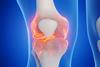
NewsPromising new bioactive material to regenerate cartilage
A biomaterial that improved hyaline cartilage repair could be used to avoid knee replacements and treat injuries and degenerative diseases.
-
 News
NewsReprogramming B cells to produce custom antibodies
The new technique could be adapted to produce a wide range of antibodies to combat chronic conditions like HIV.
-
News
Improving the effectiveness of immunotherapy for glioblastoma
Researchers utilised AI to identify genes that reprogramme GBM cancer cells into dendritic cells within the tumour.
-
 News
NewsSpinal muscular atrophy: searching for a cure
Organoids with SMA-pathology uncovered key findings about the disease, which could be utilised to develop new therapeutic options.
-
 News
NewsAdvancing HIV treatment with a small molecule inhibitor
The new study demonstrated that a small molecule inhibitor, BLZ945, could be used as a potential therapeutic to achieve viral clearance.
-
 News
NewsElucidating MDLC’s molecular features
The study’s results indicate that spatial sequencing of mixed-type breast cancers could inform personalised treatment.
-
 Article
How mRNA technology could revolutionise therapeutics
In this episode, we explore how mRNA technology could revolutionise cancer therapeutics.
-
 News
NewsMini-lungs enable breakthroughs in SARS-CoV-2 research
Researchers discovered two potential new drug applications with the possible clinical use of surfactant early in COVID-19 cases.
-
 Article
Supercharging conventional monoclonal antibodies
In this Q&A, Krishna Polu and Dennis Pedersen, senior leaders of Commit Biologics, which is backed by Novo Holdings and Bioqube Ventures, elucidate how their technology differs from other existing therapeutic platforms and highlight its implications for the treatment of both cancer and autoimmune disease.
-
 News
NewsNew agreement to progress cardiovascular disease research
The agreement between Cartherics, The University of Sydney and The University of Queensland will further stem cell-derived heart muscle therapy for heart failure.
-
 Article
The power of big data to advance genomics into clinical care
The integration of genomics into patient care will lead to more precise, personalised treatments. In this Q&A, Hylton Kalvaria, Chief Commercial Officer of Helix, explains how the Helix Research Network is creating a large-scale clinicogenomics dataset to advance research into molecular and genetic determinants of disease risk and drug response. ...
-
 News
NewsDevelopment of a new and promising antimalarial agent
The new agent, DIF-1(+3), proved to be as effective against drug-resistant malaria as it was against susceptible strains.
-
 Article
Translating ‘nature’s cues’ into breakthrough immunotherapies
Discover how Cue Biopharma harnesses the curative potential of the body’s intrinsic immune system to develop treatments for oncology and autoimmune diseases. Here, Anish Suri, Chief Scientific Officer of Cue Biopharma, explains how its platforms and biologics are designed to selectively modulate disease-specific T cells to restore immune balance, aiming ...
-
 News
NewsNew model offers a unique method to study Parkinson’s disease
Mice with rod-specific VPS35 deletion demonstrate a pathology more similar to human Parkinson’s disease, compared to other mouse models.
-
 News
NewsThe role of KDR in the survival of HTLV-1-infected T cells
KDR inhibitors could be very impactful for treatment of ATLL and HAM/TSP or prevent disease by lessening the viral load of HTLV-1.
-
 News
NewsPrime editing corrects the CFTR gene mutation
The approach precisely and durably corrects the CFTR mutation in human lung cells, which could lead to superior treatments.
-
 News
NewsTreating HCC with genetically modified NK-cell therapy
Blocking the TGF-β signalling pathway produced effective antitumour activity against hepatocellular carcinoma.
-
 News
NewsSmall molecule inducers of trained immunity found
Researchers screened over 2,000 small molecules and have now more than doubled the known compounds reported to induce trained immunity.
-
 News
NewsImproving vaccine responses by targeting IL-10
In an animal model, scientists have demonstrated that targeting Interleukin-10 during vaccine delivery enhances the vaccine’s ability to protect against infection.
-
 News
NewsThe emergence of targeted alpha therapy for glioblastoma
Targeted alpha therapy shows promising preclinical results, increasing survival rate by 36.4 percent in recurrent tumours.