

All articles by Drug Target Review – Page 37
-
 News
NewsPredicting persistent taxane-induced peripheral neuropathy
Researchers have developed a prediction model to ascertain breast cancer survivors’ risk of persistent taxane-induced peripheral neuropathy.
-
 News
NewsRare types of helper T cells uncovered
Researchers have created a new T cell atlas which could aid the development of novel drug therapies for immune-mediated diseases.
-
 News
NewsElucidating the pathophysiology of migraines
Researchers show that proteins released from the brain during migraine with aura are transported by CSF to pain-signalling nerves.
-
 News
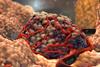
NewsOvercoming chemotherapy resistance in pancreatic cancer
Researchers have discovered that pancreatic cancer’s resistance to chemotherapy is related to the physical stiffness of the extracellular matrix.
-
 News
NewsDiscovery of a promising agonist adjuvant
PVP-037, identified through a small molecule screen, induces a more durable and broader immune response to vaccines.
-
 News
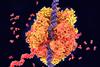
NewsThe real-time capture of transcription complex formation
Researchers have obtained images with a previously unseen level of detail, demonstrating how RNA polymerase opens the transcription bubble.
-
 News
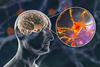
NewsIdentifying biomarkers for progressive supranuclear palsy
Protein biomarkers in spinal fluid linked to PSP could enable earlier diagnosis and treatment for this neurological disorder.
-
 News
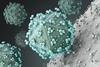
NewsDeveloping a globally-applicable HIV cure
A new assay has been developed which enables the detailing of intact proviral genomes of under-studied HIV strains.
-
 News
NewsStudying the epigenetic profile of beta cells in insulinoma
Researchers found that tumour beta cells lose their repression marks and express elevated levels of oncogenes.
-
 News
NewsPredicting pancreatic cancer metastasis
Molecular, cellular and metabolic analyses of liver biopsies identified markers that may predict subsequent metastasis of pancreatic cancer.
-
 News
NewsCapturing the computational abilities of real neurons
A new neural network computational model has been developed, which more closely reflects the abilities of real neurons and could advance AI progress.
-
 News
NewsAI tool identifies high-risk subtype of endometrial cancer
The tool identified patients with high-risk disease, which normally goes unrecognised by traditional diagnostics.
-
 News
NewsElucidating the loss of mobility caused by LGMD2B
The hiPSC-derived skeletal muscle model is the first to uncover the biological mechanisms underlying loss of mobility.
-
 News
NewsNovel inhibitor developed to combat HER2-positive breast cancer
The inhibitor, HVH-2930, effectively induced apoptosis in breast cancer cells without initiating the heat shock response.
-
 News
NewsThe potential of deep learning: generating drug targets
Researchers have designed synthetic, soluble versions of cell membrane proteins, which will enable faster and easier screening for new drugs.
-
 News
NewsAssessing the risk of HCC with machine learning
A novel screening tool may increase the five-year survival rate of hepatocellular carcinoma patients to 90 percent.
-
 News
NewsMini-colons offer improved cellular diversity, longevity and function
Mini-colons, which closely resemble in vivo tissue, were used for several applications, including the characterisation of anticancer drug toxicity profiles.
-
 Article
Small molecules for regenerative medicine
In this episode, we discuss how new insights into stem cell biology are leading to novel therapeutics in regenerative medicine beyond cell therapy.
-
 News
NewsNew AI process for accurate enrolment of patients to clinical trial
The AI model screened the medical records of heart failure patients more accurately, quickly and cheaply, compared to study staff.
-
 News
NewsNew 3D genomic profiling technique details PanINs
Researchers have developed a 3D approach to improve the characterisation of pancreatic intraepithelial neoplasias.