
All articles by Drug Target Review – Page 6
-
 News
NewsFunctional retinal organoids improve drug testing for eye disease
Researchers have developed vascularised human retinal organoids featuring the first fully functional light-signal pathways in lab-grown human retina models, opening new possibilities for studying eye disease and testing therapies.
-
 News
Newsinsitro expands AI drug discovery with CombinAbleAI acquisition
insitro has acquired Israeli AI therapeutics company CombinAbleAI and launched its TherML platform, creating an end-to-end, modality-agnostic system for designing small molecules, antibodies, oligonucleotides and other complex biologics.
-
 News
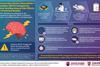
NewsNew study revives long-doubted target for depression drugs
Researchers have shown that changing the molecular structure of NK1 receptor antagonists may restore antidepressant effects after decades of failed trials.
-
 Article
AI steps into drug safety: predicting liver injury earlier than ever before
Drug-induced liver injury remains one of drug development’s most costly pitfalls. Now, AI and transcriptomics may offer a way to spot risks long before they reach patients.
-
 News
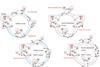
NewsRare sugars point to future therapies for alcohol dependence
Researchers have identified a biological pathway linking sugar and appetite for alcohol, suggesting that rare sugars could one day form the basis of new therapies and approaches for reducing alcohol consumption and treating dependence.
-
 News
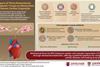
NewsMagnetic stimulation advances heart organoids for future therapies
Researchers have shown that applying magnetic forces to lab-grown human heart organoids enhances their maturation and vascular development, offering a more realistic model of early heart formation and the possibility of future cardiac therapies.
-
 News
NewsSchrödinger partners with Lilly TuneLab on AI drug discovery
Schrödinger has announced a collaboration with Eli Lilly’s TuneLab platform, integrating advanced AI-driven drug discovery workflows into its LiveDesign enterprise informatics system.
-
 News
NewsOTULIN enzyme found to drive tau and brain ageing
Researchers have discovered that the enzyme OTULIN, known for regulating the immune system, also drives the formation of tau – a protein linked to Alzheimer’s and other neurodegenerative diseases.
-
 News
NewsMaternal stress may alter foetal brain development via immune pathways
Stress during pregnancy may disrupt the maternal gut-immune system, altering foetal brain development and revealing sex-specific vulnerabilities linked to neurodevelopmental risk
-
 Article
Quality over quantity: drug discovery automation in 2026
Automation in 2026 is no longer judged by the volume of experiments, but by the reliability of the evidence they produce. As complex biology and tighter budgets collide, industry leaders are pivoting toward automated workflows to secure the data integrity required for confident, early-stage decision-making.
-
 News
NewsNew Type 2 diabetes drugs may improve insulin sensitivity
Scientists have used advanced computer modelling and lab techniques to design potential new diabetes drugs that improve insulin sensitivity.
-
 News
NewsNew study links prenatal DNA screening to better CMV treatment decisions
A new study suggests that a low-cost form of non-invasive prenatal screening could help clinicians identify pregnant women at highest risk of transmitting cytomegalovirus to their babies.
-
 News
NewsNew AI genomics platform targets kidney and cardiorenal disease
Seattle-based biotech company, Variant Bio, have launched Inference, an AI-powered genomics platform designed to accelerate drug discovery and identify genetically supported targets.
-
 News
NewsNew Lumos AI platform targets precision in mental health drugs
Headlamp Health has launched Lumos AI®, a new decision-support platform designed to bring greater precision to neuroscience drug development.
-
 News
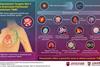
NewsPitavastatin identified as potential treatment for triple-negative breast cancer
A commonly prescribed cholesterol-lowering drug, called pitavastatin, could be used to treat patients with triple-negative breast cancer, after researchers found that it has the ability to block a key cancer survival protein.
-
 News
NewsPropofol and insulin may reduce cognitive decline in older age
New research from the University of Illinois suggests that widely used drugs, including propofol and intranasal insulin, could help protect ageing brains from memory decline and postoperative cognitive impairment.
-
 News
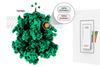
NewsTRPM5 protein switch discovery could lead to new diabetes drugs
Northwestern University scientists have discovered a hidden ‘control switch’ in the TRPM5 protein, which helps regulate taste, blood sugar and gut health and could lead to new therapies for targeting diabetes and obesity.
-
 Article
Agentic AI: teaching machines to think like scientists
What happens when AI stops guessing and starts reasoning? Agentic AI is bringing scientific logic into the heart of drug discovery.
-
 News
NewsInsilico secures $888million Servier partnership for AI oncology
Insilico Medicine and Servier have announced a multi-year collaboration to accelerate the discovery of new cancer therapies, using artificial intelligence to tackle challenging oncology targets and shorten early-stage drug development timelines.
-
 News
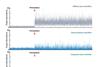
NewsControlling cellular noise may stop cancer and bacterial relapse
Scientists have developed a new mathematical ‘Noise Controller’ that can stabilise random cellular fluctuations, offering a potential breakthrough in preventing cancer recurrence and antibiotic resistance.