



All Gene Testing articles – Page 2
-
 Article
Advancing gene editing to redefine therapies across genetic disease
In the unmet need for effective treatments to alleviate suffering and prevent premature death across the spectrum of genetic diseases, Brent Warner, Poseida Therapeutics, shares that the ability to edit DNA holds hope for patients currently experiencing incurable genetic diseases and has spurred ongoing efforts to develop and improve gene ...
-
 Article
The evolution and promise of gene therapies
Dr David Baram from gene therapy company EmendoBio provides a snapshot of the history of therapeutic genetic engineering.
-
 Article
Women in STEM with Dr Jo Brewer
Come and join us for our monthly series highlighting Women in STEM. We are excited to present the latest edition for June, featuring an exclusive interview with Dr Jo Brewer, Chief Scientific Officer at Adaptimmune. With a remarkable 15-years of experience in cell therapy, Jo's passion for cells has been ...
-
 Article
ebook: Breaking Barriers in Cell Engineering
Download this FREE ebook now and explore single-cell analysis, unlocking the secrets of therapeutic efficacy and safety. Immerse yourself in exclusive content, including cutting-edge cell line development articles and riveting interviews with industry experts. Don't miss your chance to discover the future of cellular therapies – start your journey today!
-
 News
NewsNovel approach stimulates DNA repair mechanisms to combat a leading cause of autism spectrum disorders
US researchers report promising results for fragile X syndrome, by stimulating cells' DNA repair mechanisms that could correct the inherited genetic defect associated with the disorder.
-
 News
NewsTargeted therapy for treatment-resistant breast cancer
US researchers have uncovered a potential target for treating breast cancer that is resistant to endocrine therapies because of a specific gene mutation.
-
 News
NewsUSC researchers zoom into human genome with mammal DNA
USC researcher Dr Steven Gazal and his team have identified human genome base pairs that have remained constant over millions of years of mammalian evolution. These base pairs are linked to human disease. Using DNA from 240 mammal species, they identified genetic variations affecting an individual's survival and reproduction. ...
-
 Article
New insight into BRCA2 gene mutations and cancer risk
A recent study from researchers at the University of California examines the BRCA2 gene, which plays a crucial role in repairing damaged DNA, and possible links with increased risk of breast and ovarian cancer.
-
 News
NewsGenetics behind facial and skull changes in Down Syndrome mouse model
Progress in identifying the gene responsible for facial and skull changes in mouse model of Down Syndrome, made by UK researchers.
-
 News
NewsCombination therapy prevails against BET inhibitor resistance
St. Jude Children's Research Hospital, US, scientists created a new combination therapy method to tackle drug resistance in a type of leukaemia with KMT2A gene rearrangement.
-
 News
NewsFirst molecular therapeutic for Angelman syndrome to advance into clinical trials
The scientists from Texas A&M have developed GTX-102, a novel therapeutic candidate to target Angelman syndrome by reactivating expression of deficient protein.
-
 News
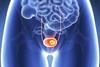
NewsUrine gene test has potential to predict bladder cancer earlier than ever
New urine gene test presented at EAU identified mutations across 10 genes, that were able to predict bladder cancer.
-
 News
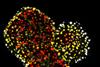
NewsResearchers develop organoid models to study non-alcoholic fatty liver disease
The team used these models to show drug responses and established a CRISPR-screening platform to identify potential therapeutic targets for non-alcoholic fatty liver disease.
-
 News
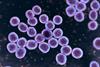
NewsDiscovery of novel mechanism for MRSA virulence
US researchers revealed that MRSA has undergone repeated mutations in the sarZ gene, leading to increased severity of blood stream infections in mouse models.
-
 News
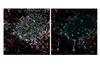
NewsNew method precisely locates gene activity and proteins across tissues
The scientists argue the technique enables the creation of complex, data-rich “maps” of organs, including diseased organs and tumours, which could be widely useful in pre-clinical research.
- Previous Page
- Page1
- Page2
- Next Page