



All Genome Editing articles
-
 Report
CRISPR & Genomics: Turning Data into Confident Drug Discovery Decisions
Early drug discovery has no shortage of genomic data, but confidence remains scarce. This report examines how CRISPR, functional genomics and human-relevant models are being applied to determine which signals matter, how they influence disease biology and which targets and strategies are worth pursuing.
-
 News
NewsSimple amino acid mix dramatically improves gene therapy delivery
Scientists have discovered that adding a simple cocktail of three common amino acids to lipid nanoparticle injections can dramatically improve the delivery of mRNA and CRISPR therapies.
-
 News
NewsELRIG announces keynote speakers for Cell and Gene Therapy 2026 in Cambridge
ELRIG (European Laboratory Research & Innovation Group) has announced the keynote speakers for its inaugural Cell and Gene Therapy 2026 conference, taking place at Hinxton Hall in Cambridge from 9–10 March.
-
 News
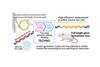
NewsNew TECHNO platform enables large-scale human gene integration in mice
Japanese researchers have developed a new gene-editing platform, TECHNO, that allows entire human genes – including regulatory regions – to be inserted into mice, allowing for better disease modelling and drug testing.
-
 Article
Advancing gene editing: the role of lipid nanoparticles in CRISPR delivery
CRISPR therapies depend on delivery and lipid nanoparticles are emerging as a more flexible and scalable option than viral vectors.
-
 News
NewsNew nanostructure makes CRISPR edits safer and three times faster
Northwestern University researchers have created DNA-coated nanoparticles that deliver CRISPR into cells three times more effectively while reducing toxicity. The advance could overcome one of the biggest barriers to gene-editing therapies.
-
 News
NewsKey newborn liver cells could boost paediatric gene therapy
A small subset of newborn liver cells – known as clonogenic hepatocytes – drives over 90 percent of adult liver growth. New research shows how targeting these cells early could improve the effectiveness and durability of paediatric gene therapies.
-
 Article
Gene therapies that listen and respond: the power of RNA regulation
Most gene therapies rely on static DNA promoters to control gene activity, but nature uses far more sophisticated tools. Dr Matthew Dale explores how harnessing RNA-level control could enable treatments that sense and respond in real time, offering unprecedented precision and safety.
-
 News
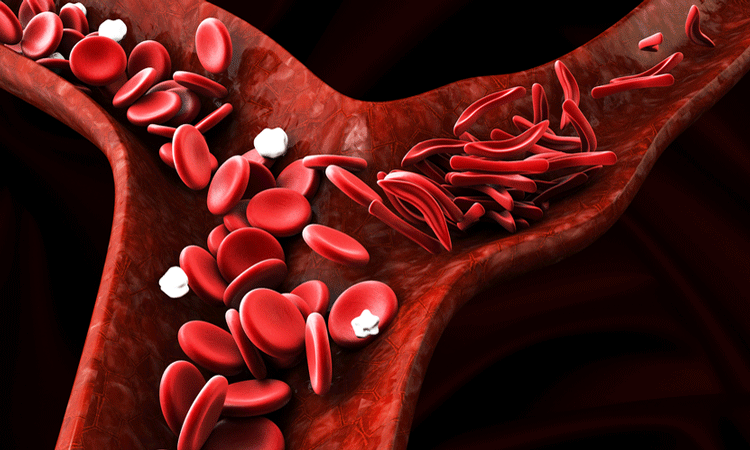
NewsNew CRISPR breakthrough could transform sickle cell treatment
Researchers at UNSW Sydney have unveiled a next-generation CRISPR tool that could lead to safer treatments for genetic disorders, including Sickle Cell.
-
 News
News‘Delete-to-recruit’: new gene-editing method targets sickle cell
Researchers have developed a novel gene therapy approach that reactivates dormant genes by repositioning them closer to genetic switches called enhancers - showing promise for treating blood disorders like sickle cell disease.
-
 Article
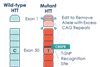
Allele-selective gene editing: a breakthrough in Huntington's disease treatment
Huntington's disease remains a major challenge, but allele-selective gene editing offers new hope. By targeting only the mutant gene, this approach could provide a one-time, durable treatment. Life Edit’s Dr Amy Pooler reveals how this innovative therapy could reshape HD treatment.
-
 News
NewsStudy identifies crucial gene behind metabolic liver disease
A team of researchers at Waseda University in Japan has identified a gene called Nwd1 that plays a key role in the development of metabolic dysfunction-associated steatohepatitis (MASH). This discovery could lead to new therapeutic strategies, potentially reshaping the treatment landscape for liver disease.
-
News
New study reveals how bacteria 'vaccinate' with viral DNA
The discovery from researchers at Johns Hopkins Medicine reveals how bacteria use the CRISPR-Cas system to store viral DNA, enhancing their immunity against future infections, and potentially paving the way for new phage-based therapies
-
 Article
Why DNA Damage Response deserves renewed focus in cancer therapy
As cancer therapies evolve, a critical opportunity is emerging in the form of DNA Damage Response (DDR) research. With breakthroughs in genomics, drug delivery and AI, DDR pathways are set to overcome resistance and alter treatment strategies. Find out why now is the perfect moment to refocus on DDR, and ...
-
 News
NewsAWS and ElevateBio join forces to advance gene editing
ElevateBio is teaming up with Amazon Web Services (AWS) to advance CRISPR gene editing using AI and cloud computing. This collaboration aims to accelerate drug discovery for genetic diseases, making next-generation therapies more efficient and accessible.
-
 News
NewsBacterial ‘jumping genes’ found to control chromosome ends
Cornell researchers have discovered how transposons, or 'jumping genes,' insert themselves into bacterial chromosome ends, potentially transforming genetic engineering and advancing biotechnology. This breakthrough could reshape antibiotic research and unlock new drug discoveries.
-
 News
NewsNew genetic discovery offers hope for arthritis drug development
York University researchers have discovered a genetic mutation in the TRAF1 protein that dramatically reduces inflammation, offering a potential breakthrough in rheumatoid arthritis treatment.
-
 News
NewsRare diseases, big advances: how research is powering a new era of treatments
This Friday, February 28, marks Rare Disease Day 2025, a global initiative raising awareness for the 300 million people living with rare conditions. Dr David Reynolds, CEO of LoQus23 Therapeutics, explores how advancements in rare disease research are driving the development of new treatments.
-
 Article
Empowering women in STEM: championing change in genetics
An advocate for genetic medicines and the enormous potential they hold, Leah Sabin at Regeneron Genetic Medicines reveals how passion and curiosity can forge the path to a rewarding career in STEM.
-
 Article
New cell therapy model accelerates cancer treatment development
CTMC, a joint venture between Resilience + MD Anderson Cancer Center, is transforming cancer treatment with faster, more efficient cell therapy development - learn how they’re doing it.