



All Harvard Medical School articles
-
 News
NewsBVRA enzyme may slow down Alzheimer’s progression
New research from Johns Hopkins Medicine reveals that the enzyme BVRA protects brain cells from oxidative stress, allowing for potential new methods for treating neurodegenerative diseases like Alzheimer’s.
-
 News
NewsSenolytic drug combo boosts cancer immunotherapy and reduces side effects
Researchers have discovered that targeting immune cell ageing can overcome resistance to head and neck cancer treatment.
-
 News
NewsLithium deficiency identified as key Alzheimer’s trigger
New research from Harvard Medical School shows that natural lithium deficiency in the brain may be a key early factor driving Alzheimer’s disease – which allow for the development of new approaches to preventing and reversing cognitive decline.
-
 News
NewsOvercoming the limitations of existing AI models
Researchers have developed a new AI tool which recognises that protein behaviour can vary by cell and by tissue type.
-
 News
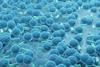
NewsCarbohydrate-based vaccine combats Staphylococcus aureus
In animal studies, the new vaccine construct outperformed another PNAG-vaccine delivery system currently in human trials.
-
 News
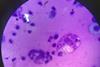
NewsMacrophage phenotype insights could improve immunotherapy
A certain macrophage phenotype is more effective than another phenotype commonly used in cell therapy for infiltrating tumours.
-
 News
NewsMidbody remnants following mitosis could combat cancer
Midbody’s role in cell signalling and stimulating cell proliferation offers an opportunity to detect cancer.
-
 News
NewsAccelerating the immune system could eliminate ageing cells
Boosting the body’s anti-viral immune response could restore tissue balance and eliminate ageing cells that contribute to age-related diseases.
-
 News
NewsResearchers discover the role of intestinal fibrosis in inflammatory bowel disease
The scientists used a new in vitro platform, which allowed intestinal organoids to be cultured on an open lumen, planar system that could be manipulated experimentally.
-
 News
NewsWeaponising SARS-CoV-2 spike protein against itself to prevent infection
By creating a drug that is based on part of the SARS-CoV-2 spike protein, US and Finnish researchers can block the virus from entering cells.