



All Hit-to-Lead articles – Page 4
-
 Article
How GPCR-targeting therapies are advancing the fight against inflammatory disease
Discover how Domain Therapeutics is using its deep knowledge of GPCR biology to create novel therapeutics with the potential to combat inflammatory diseases such as atopic dermatitis, IBD and arthritis.
-
 News
NewsHow one carbon atom is changing drug development
Researchers at the University of Oklahoma have found a way to improve drugs by adding just one carbon atom. This simple change could speed up drug discovery and lower costs.
-
 Webinar
Optimizing antibody leads in early drug discovery with key developability insights
Stop costly biologic failures. This masterclass reveals high-throughput strategies to optimize antibody leads upfront.
-
 News
NewsAI targets protein linked to most human cancers
Scientists have used AI to design a molecule that disrupts a key protein interaction driving up to 70 percent of cancers - once thought impossible to drug.
-
 Article
Next-generation drug design: how generative AI can tackle undruggable targets
Generative AI is broadening the boundaries of what is possible in drug discovery. In this article, Murat Tunaboylu, CEO and Co-founder of Antiverse, reveals how the zeitgeist technology is enabling scientists to tackle previously undruggable targets like GPCRs and ion channels to deliver patient impact faster.
-
 News
NewsTargeting PLA2G15 to treat neurometabolic disorders
Scenic Biotech and Stanford University have published a study identifying PLA2G15 as a new drug target in neurodegenerative and metabolic diseases, potentially enabling future treatments for conditions like Niemann-Pick type C.
-
 News
NewsTargeting the clock: new drug disrupts glioblastoma stem cells
Scientists have developed a new drug, SHP1705, that targets hijacked circadian clock proteins used by glioblastoma stem cells to grow and resist treatment.
-
 News
NewsHigh-throughput NaV1.9 assay to advance pain therapies
Metrion Biosciences has introduced a breakthrough NaV1.9 screening assay, aimed at overcoming historical challenges in pain research and advancing the development of non-opioid treatments.
-
 News
NewsTargeting zombie cells: a new treatment for chronic back pain
McGill University researchers have found that two drugs can eliminate senescent “zombie cells” in spinal discs, offering a potential new treatment for chronic low back pain.
-
 Article
Advancements in hit identification for membrane protein drug discovery
GPCRs are crucial drug targets, but their complex structures present significant challenges in drug discovery. In this article, Domainex’s Philip Rawlins explores how fragment-based screening and innovative technologies like PoLiPa are helping to overcome these hurdles, with a focus on the Adenosine A2a receptor.
-
 Webinar
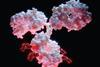
Advancing ADC Development: End-to-End Solutions from Design to Characterization
Dr. Francisca Neethling from Eurofins Discovery explores the comprehensive process of ADC development, covering payload linker design, optimization, and the bioanalytical and functional characterization of ADC molecules.
-
 News
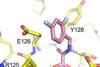
NewsNew approach targets VHR enzyme for sepsis treatment
A new study reveals a promising approach to sepsis treatment by targeting the VHR enzyme using fragment-based drug discovery. This innovative method could lead to more effective therapies for sepsis and other immune-related conditions.
-
 News
NewsDrug OLX-07010 shows promise in treating tau diseases
OLX-07010, a new drug from Oligomerix, shows potential in reducing tau protein tangles, a key factor in Alzheimer's and other tau-related diseases. Early studies suggest it could be a breakthrough in targeting tau aggregation and improving brain function.
-
 Webinar
Reprogramming immunity: designing smarter checkpoint receptor agonists
Join Dr Daniela Cipolletta from Seismic Therapeutic to discover how FcγRIIb clustering enabled the discovery of S-4321, a low-affinity PD-1 agonist that restores immune balance by engaging multiple inhibitory pathways.
-
 News
NewsNew AI algorithm searches 10 sextillion drug candidates
Scientists have developed an AI algorithm capable of searching through 10 sextillion potential drug molecules, a feat previously considered impossible. This method could significantly speed up drug discovery and the development of new treatments.
-
 Article
Scientific workflow for hypothesis testing in drug discovery: part 3 of 3
Drug discovery scientists develop and test complex hypotheses using data and expertise, and build workflows to support this. In this third and final article, Dr Raminderpal Singh and Nina Truter summarise the tools used in the scientific workflow – and include key considerations.
-
 Article
Obstacles and innovations of macrocyclic drug development
Macrocycles outperform traditional therapeutics on several fronts, yet they account for just four percent of FDA-approved drugs. Colleagues Ann E Cleves and Ajay N Jain from Optibrium Ltd explain why we can expect to see this number increase in the coming years.
-
 Webinar
Advancing obesity drug discovery: Cell-based assays for GLP-1 and the G-Suite
Gain valuable insights into the latest advancements in obesity drug discovery and enhance your research capabilities.
-
 Article
Scientific workflow for hypothesis testing in drug discovery: Part 1 of 3
Explore the step-by-step scientific workflow behind drug discovery, from formulating hypotheses to analysing data, ensuring accurate and reliable results.
-
 News
NewsFDA greenlights AI-developed drug targeting solid tumors
Insilico Medicine’s AI-designed drug ISM5939 has received FDA IND clearance for treating solid tumours. By targeting ENPP1, it enhances anti-tumour immunity and is set to begin Phase I trials soon.