



All Immunotherapy articles – Page 8
-
 News
NewsImproving cancer treatment by exploiting mtDNA mutations
For the first time, mitochondrial DNA mutations could be used with immunotherapy to increase the chances of successful treatments.
-
 News
NewsNew immunological pathway to treat bone tumours
Researchers observed significant upregulation of Siglec-15 in the tumour microenvironment in bone tumour samples from breast cancer patients.
-
 Article
Transforming cancer treatment for greatest impact
In this Q&A, Dr Lev Becker, Associate Professor, University of Chicago and Cofounder of Onchilles Pharma, reveals how his company is directing research into neutrophil biology to the advantage of cancer patients that need it most.
-
 Whitepaper
Article: Tips and Tricks for Leveraging Advanced Flow Cytometry
Tips and tricks for fully leveraging Advanced Flow Cytometry.
-
 Whitepaper
Application note: Direct and Competitive Live Cell Antibody Binding
Utilizing Advanced High-Throughput Flow Cytometry to Quantify Direct and Competitive Live Cell Antibody Binding
-
 News
NewsAdvancing the development of CTLA-4 inhibitors
A new study could result in CTLA-4 inhibitors that promote antitumour responses without causing intestinal diseases, such as colitis.
-
 Article
The potential of CD24 in cancer immunotherapy
Cofounder & Chief Scientific Officer of Pheast Therapeutics, Dr Roy Maute, reveals his company’s promising drug candidate and explains why they have focused on their chosen target.
-
 Article
Drug Target Review Immuno-oncology eBook 2023
Download this eBook for FREE. Explore cutting-edge immuno-oncology insights through exclusive interviews and studies by leading experts in the field.
-
News
Perivascular fibroblasts support glioblastoma tumours
Glioblastomas can resist immunotherapy as perivascular fibroblasts support the creation of an immunosuppressive tumour environment.
-
News
The IKAROS protein is crucial for B cell development
By mapping the genome, scientists have discovered how IKAROS enables differentiation of hematopoietic stem cells into B cells.
-
 Article
The effectiveness of nanoparticles in chemotherapy
Understanding more about the effect of liposome nanoparticles on the immune system will improve drug delivery systems.
-
 Whitepaper
Application note: Next-gen protein sequencing rapid ID of COVID variants
Quantum-Si's Next-Generation Protein Sequencing technology on Platinum™, rapidly distinguishes SARS-CoV-2 variants based on amino acid sequence.
-
 Article
CAR-NK cells: promising for cancer therapy
The suitability of NK cells for cancer therapy has been challenged by some investor and business interests because of limited efficacy data, is this a valid belief at the present stage of development of the immune therapy field?
-
 News
NewsMacrophage phenotype insights could improve immunotherapy
A certain macrophage phenotype is more effective than another phenotype commonly used in cell therapy for infiltrating tumours.
-
 Whitepaper
Handbook: Advanced flow cytometry handbook
Don’t miss out on the easier way to do flow cytometry. Learn how to bring speed, throughput, multiplexing and miniaturization, to your bench.
-
 Article
The power of combinations in blood cancers
Haematology research is a cradle of innovation, with many firsts in therapeutic approaches utilising the latest technology for the treatment of blood cancers. Anas Younes, Senior Vice President, Head of Haematology Oncology Research and Development at AstraZeneca, envisions a future where potential cures are within reach for more blood cancers ...
-
 Article
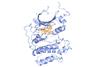
Cancer drug discovery: protein-ligand interactions
Dr Rob van Montfort, a leading researcher at the Centre for Cancer Drug Discovery (CCDD) within The Institute of Cancer Research, London, is at the forefront of cancer drug discovery. Focusing on protein-ligand interactions, his work utilises structural biology and biochemical methods to help the discovery of novel small-molecule drugs ...
-
 News
NewsNew biomarker advances cancer treatments
Researchers have discovered ways to enhance NIR-PIT to ensure tumours are treated sufficiently and improve patient outcomes.
-
 News
NewsRole of enzyme in tumour immune microenvironment identified
Researchers have found that reducing glycosylation on the T cell surface may offer new approaches to cancer immunotherapy.
-
 News
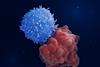
NewsKey epitope can trigger tumour cell death
An epitope on CD95 receptor causes tumour cells to self-destruct and may prolong benefits of CAR T-cell therapy for solid tumours.