



All Immunotherapy articles – Page 5
-
 News
NewsBlocking nitrosylation boosts treatment for NRAS melanoma
Researchers at Moffitt Cancer Center have discovered that blocking a chemical process called nitrosylation can make aggressive NRAS-mutant melanoma more responsive to treatment.
-
 Article
Building the requisite clinical development infrastructure for medical innovation to thrive
Outdated clinical development systems are slowing breakthroughs like gene therapies and precision medicine. This article explores how a flexible, on-demand approach can accelerate drug development and bring innovations to patients faster.
-
 Whitepaper
Guide: Create DNA Template for In Vitro mRNA Synthesis
Learn how to simplify the entire DNA template generation workflow, streamlining mRNA therapeutic research.
-
 Article
Pioneering cellular therapies for age-related diseases
Discover how Immorta Bio's cellular therapies are addressing cancer and liver failure, with the potential to transform healthcare.
-
 News
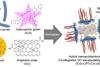
NewsBacteria-boosted nanoparticles offer a triple threat against cancer
A new cancer therapy combines multiple treatment strategies into a single graphene oxide-based nanocomposite. It uses bacterial components to enhance immune response and scalability, creating a powerful and cost-effective approach to tackling tumours.
-
 Whitepaper
Poster: Lentiviral Gene Delivery Workflow
Use this lentiviral gene delivery workflow poster to understand how to optimize your workflow for successful viral transduction.
-
 Webinar
Advancing ADC Development: End-to-End Solutions from Design to Characterization
Dr. Francisca Neethling from Eurofins Discovery explores the comprehensive process of ADC development, covering payload linker design, optimization, and the bioanalytical and functional characterization of ADC molecules.
-
 Article
Why DNA Damage Response deserves renewed focus in cancer therapy
As cancer therapies evolve, a critical opportunity is emerging in the form of DNA Damage Response (DDR) research. With breakthroughs in genomics, drug delivery and AI, DDR pathways are set to overcome resistance and alter treatment strategies. Find out why now is the perfect moment to refocus on DDR, and ...
-
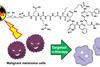 News
NewsNovel radioactive drug targets aggressive metastatic melanoma
Scientists in Japan have developed a new radioactive drug that emits alpha particles, showing promise for targeting metastatic melanoma - an aggressive skin cancer resistant to many conventional treatments.
-
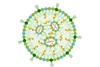 News
NewsNanoparticle therapy shows potential to prevent spread of pancreatic cancer to liver
Pancreatic cancer is notoriously hard to treat, especially when it spreads to the liver in advanced stages. Researchers at UCLA’s California NanoSystems Institute (CNSI) have developed an innovative nanoparticle technology to tackle this challenge.
-
 Article
New therapy shows promise in strengthening CAR-T responses
CAR-T therapy has shown effectiveness in cancer treatment, but relapse often occurs due to limited cell persistence. New strategies aim to improve CAR T-cell durability for longer lasting remission.
-
 Article
Empowering women in STEM: championing change in genetics
An advocate for genetic medicines and the enormous potential they hold, Leah Sabin at Regeneron Genetic Medicines reveals how passion and curiosity can forge the path to a rewarding career in STEM.
-
 News
NewsNew enzyme discovery could boost cancer immunotherapy
A new discovery from the University of Geneva highlights the crucial role of the CH25H enzyme, which is found in cancerous lymphatic cells. This enzyme plays a key part in activating immune cells, opening up a promising pathway for improving the success of cancer immunotherapies.
-
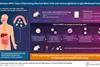 News
NewsThe immune cells that fuel food allergies
A new study reveals how specific immune cells contribute to the exaggerated immune response in food allergies, offering hope for improved treatments in the future.
-
 News
NewsCoherus announces positive Phase II results for liver cancer treatment
Coherus BioSciences shared final data from its Phase II trial of casdozokitug, showing a 17.2 percent complete response rate in liver cancer patients.
-
 Report
Beyond the Lab: Stem cell research
Download our latest report to discover how stem cell research is revolutionising treatments for chronic diseases, cancer and regenerative medicine.
-
 News
NewsTessera's gene editing offers hope for sickle cell patients
Find out how Tessera's latest advancements in gene editing bring promising solutions to treat sickle cell disease.
-
 Article
In vivo CAR T: Faster, cheaper, and more effective cancer care
Find out how in vivo cell therapies could transform cancer treatment by providing faster, more affordable, and accessible options for more patients.
-
 Article
Oncology advances through the lens of women in STEM
Dr Pooja Hingorani opens up about her journey in oncology research, the obstacles she’s overcome as a woman in STEM, and her mission to transform cancer care.
-
 News
NewsNKTR-255 shows positive results in lymphoma therapy
Nektar Therapeutics' NKTR-255 improves CAR-T therapy outcomes in lymphoma patients. Find out how this development could impact cancer treatment.