

All Immunotherapy articles
-
 News
YAP/TAZ protein hyperactivity linked to immune evasion via PD-L2 upregulation
Researchers have identified a mechanism by which overactive YAP and TAZ proteins may simultaneously increase cancer cell visibility to the immune system and shield tumours from T-cell attack.
-
 News
p53 activation boosts T-cell potency against solid tumours
UCLA researchers have shown that transiently activating the tumour suppressor protein p53 using an investigational MDM2 inhibitor can reduce exhaustion in engineered T cells and significantly improve their ability to kill melanoma cells in vitro.
-
 News
Bispecific antibody targets regulatory T cells to enhance tumour immunity
A bispecific antibody targeting CCR8 and CD3 has demonstrated the ability to deplete immunosuppressive regulatory T cells and slow tumour growth across multiple cancer models.
-
 Article
Targeting SRC-3 to reprogramme regulatory T cells in cancer
Could targeting SRC-3 in regulatory T cells help overcome tumour immunosuppression? Researchers explain how this approach could restore anti-tumour immunity and what remains to be proven in patients.
-
 News
Why aptamer cancer therapies are struggling to reach the clinic
Aptamers can recognise cancer-associated targets and deliver drugs directly to tumour cells. So why have so few reached the clinic? A new review examines the barriers to their development.
-
 News
Bacterial microrobot platform achieves 82 percent tumour inhibition in bladder cancer
A hybrid microrobotic platform combining living bacteria, nanoparticles and targeted chemotherapy has achieved 82.4 percent tumour inhibition in preclinical bladder cancer models.
-
 News
VPS34 inhibition boosts GD2 visibility to enhance neuroblastoma immunotherapy
Penn State researchers have shown that inhibiting the protein VPS34 increases GD2 display on neuroblastoma cell surfaces, making tumours more visible to anti-GD2 antibodies and improving outcomes in preclinical combination studies.
-
 News
KRAS inhibition and CTLA-4 blockade could overcome gastric cancer immunotherapy resistance
Researchers have identified oncogenic KRAS as a key driver of immunosuppression in gastric adenocarcinoma.
-
 News
Mathematical model reveals self-reinforcing mechanism behind HE-S2 ADC cancer therapy
A mathematical model developed by researchers from Mass General Brigham and the University of Cyprus suggests that the experimental immunomodulatory antibody-drug conjugate HE-S2 may become progressively more effective as it reduces tumour size.
-
 News
Three-signal method converts blood B cells into germinal centre-like cells
Researchers at the University of Osaka have developed a streamlined laboratory method that uses just three sequentially delivered signals to convert naive B cells from human blood into cells closely resembling germinal centre B cells.
-
 News
In vivo CAR T review charts path to off-the-shelf cellular therapy
A review from researchers at Naval Medical University and Shanghai Jiao Tong University examines how engineering CAR T cells directly inside the body could cut manufacturing complexity and expand patient access to cellular immunotherapy.
-
 News
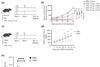
Vaccine adjuvant AS01 shown to induce trained immunity in monocytes
A preclinical study published in Myeloid Cells reports that AS01, a vaccine adjuvant system, can induce trained immunity in human monocytes and reduce tumour growth in selected mouse cancer models.
-
 News
Mayo Clinic strategy restores CAR T targets on aggressive thyroid tumours
Mayo Clinic researchers have shown that approved thyroid cancer drugs can restore a key antigen on aggressive tumour cells, making them visible once more to CAR T cells and improving treatment outcomes in preclinical models.
-
 News
‘Plug-and-play’ CAR T platform enables post-infusion immune cell reprogramming
City of Hope researchers have developed a modular ‘plug-and-play’ CAR T-cell platform that enables post-infusion reprogramming of engineered immune cells, offering a potential solution to treatment resistance driven by tumour evolution.
-
 News
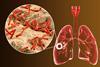
BCG and immunotherapy combination cuts tuberculosis relapse risk
Combining the BCG vaccine with a B-cell-targeting immunotherapy significantly reduced tuberculosis relapse rates in preclinical models.
-
 News
Salk researchers uncover how interferons switch from anti- to pro-cancer
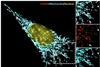
Researchers at the Salk Institute have identified a cellular pathway through which prolonged interferon exposure triggers mitochondrial dysfunction, PGE2 production and suppression of anti-tumour immunity – offering a potential strategy for overcoming immunotherapy resistance.
-
 Webinar
What it really takes to turn cancer discoveries into new therapies
Five leading cancer researchers from across genomics, proteomics, cell biology, chemical biology and gene therapy dig into what’s driving cancer drug discovery forward and what’s still holding progress back.
-
 News
Regnase-1 deletion boosts CAR T-cell efficacy against paediatric osteosarcoma
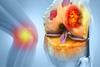
St Jude researchers have demonstrated that deleting the Regnase-1 gene from CAR T cells significantly improves tumour control and prevents metastasis in preclinical models of relapsed osteosarcoma, paving the way for an early-phase clinical trial.
-
 News
IL-17 identified as potential immunotherapy biomarker in ovarian cancer
A new study has identified IL-17 as a potential biomarker for immunotherapy response in a small subset of clear cell ovarian cancer cases, offering a possible route to personalised treatment for a disease historically resistant to immune-based therapies.
-
 News
Exhausted T cells escape tumours to drive lasting cancer immunity
A preclinical study has identified a subset of exhausted, LAG3-expressing T cells capable of migrating out of tumours to establish long-term immune memory, with potential implications for LAG3-targeting cancer immunotherapies.