


Aptamers can recognise cancer-associated targets and deliver drugs directly to tumour cells. So why have so few reached the clinic? A new review examines the barriers to their development.
Researchers have identified advances in aptamer discovery and engineering that could help address some of the limitations of cancer immunotherapy, including poor tumour penetration, treatment resistance and unwanted effects on healthy tissues.
A review published in Frontiers in Pharmacology, led by Mohammad Asim Azhar and colleagues at King Faisal Specialist Hospital and Research Centre, Saudi Arabia, examines how improved selection technologies and molecular engineering could support the development of aptamer-based cancer therapeutics.
How aptamers are developed for cancer therapy
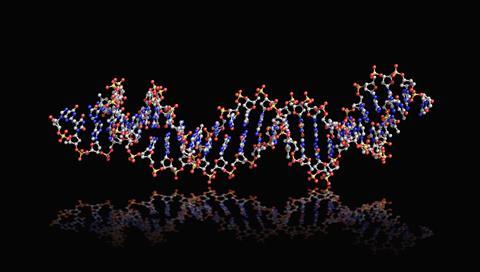
Aptamers are short, single-stranded DNA or RNA molecules that fold into three-dimensional structures, allowing them to bind specific molecular targets.
Like antibodies, they can recognise targets with high affinity and specificity. However, their smaller size and ability to be chemically modified make them attractive candidates for targeted drug delivery and therapeutic development.
In cancer drug discovery, researchers are investigating aptamers that bind cancer-associated molecules such as EGFR, HER2, EpCAM and PD-L1. Identifying sequences that bind these targets reliably is an important step in developing potential therapies.
This is typically achieved through systematic evolution of ligands by exponential enrichment (SELEX), a process that repeatedly selects and amplifies DNA or RNA sequences capable of binding a chosen target.
However, conventional SELEX can be time-consuming, and aptamers selected against isolated proteins may not perform as effectively in biological systems.
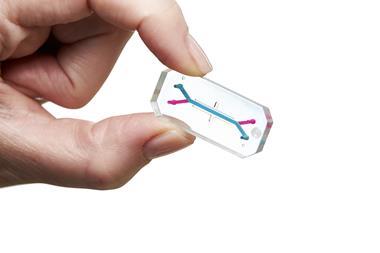
To address these limitations, researchers are developing methods such as Cell-SELEX and in vivo SELEX, which select aptamers using intact cells or living organisms. Microfluidic technologies can also automate parts of the selection process.
Meanwhile, artificial intelligence (AI) and high-throughput sequencing can help identify promising sequences, predict molecular structures and prioritise candidates for experimental testing.
Targeting cancer cells and immune pathways
Aptamers could be used to block immune checkpoint proteins, including PD-1, PD-L1 and CTLA-4, which cancers can exploit to suppress immune responses. Others are being investigated for activating immune-stimulating receptors such as OX40 and 4-1BB.
Researchers are also developing aptamer-based delivery systems for chemotherapeutic drugs, small interfering RNAs (siRNAs) and CRISPR-based components.
By directing therapeutic agents towards cells expressing particular molecular targets, these systems could improve drug localisation and reduce exposure in healthy tissues.
Why clinical translation remains difficult
Despite promising preclinical findings, several challenges remain before aptamer-based cancer therapies can be used more widely.
One major limitation is stability. Aptamers can be rapidly degraded by enzymes or cleared through the kidneys, reducing the time they remain active in the body. Researchers are investigating chemical modifications and nanoparticle-based delivery systems to improve their stability and circulation time, although these can introduce additional safety and manufacturing challenges.
Other obstacles include tumour heterogeneity, which can make consistent targeting difficult, and the challenge of delivering therapeutic molecules into cells.
The authors conclude that while advances in aptamer discovery and engineering have expanded their potential, further research is needed to demonstrate their safety and effectiveness before they can progress towards wider clinical use.
Reference
Azhar MA et al. (2026). Engineering aptamer-based therapeutics for precision cancer immunotherapy: from molecular targeting to clinical applications. Frontiers in Pharmacology, 17, 1987479. https://doi.org/10.3389/fphar.2026.1987479










No comments yet