


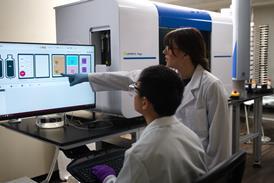
A UVA-led study has identified CASS4 as a key regulator of microglial immune responses to amyloid-beta pathology, changing the approach to this understudied Alzheimer’s risk gene.

Researchers have identified a potential role for the Alzheimer’s risk gene CASS4 in regulating the brain’s immune response, suggesting that targeting its activity could offer new opportunities to slow or prevent disease progression.
A team from the University of Virginia (UVA) Health found that the gene helps control microglia, specialised immune cells responsible for clearing harmful substances from the brain. When CASS4 function was disrupted, these cells became less effective at containing and compacting amyloid-beta plaques, allowing toxic protein deposits to grow and spread more rapidly.
The findings give scientists a clearer picture of how a previously understudied genetic risk factor contributes to Alzheimer’s disease and highlight the potential of targeting brain immune cells as a therapeutic strategy.
How CASS4 influences brain immunity
Alzheimer’s disease is characterised by the accumulation of amyloid-beta plaques and abnormal tau protein tangles in the brain. These changes are associated with progressive damage to neurons and declining cognitive function.
Microglia play an important role in responding to this pathology. Under normal conditions, they form protective barriers around amyloid-beta plaques and compact the deposits to limit the damage they cause.
Led by Dr John Lukens, Director of UVA’s Harrison Family Translational Research Center in Alzheimer’s and Neurodegenerative Diseases, the research team investigated the function of CASS4 after previous studies identified it as a genetic risk factor for Alzheimer’s.
Using laboratory mouse models, the researchers found that disrupting the gene impaired microglia’s ability to respond to amyloid pathology. This resulted in increased plaque accumulation, neuronal damage and cognitive decline.
“These findings break new ground in our understanding of how this genetic risk factor contributes to Alzheimer’s disease,” said Dr Lukens. “Our work further suggests that defective CASS4 activity may serve as an early-onset biomarker to detect Alzheimer’s and that therapeutic strategies which boost its function may offer a much-needed approach to treat this devastating brain disease.”
Shifting the focus towards immune cells
The research also challenges previous assumptions about how CASS4 contributes to Alzheimer’s risk. Rather than primarily influencing neurons, the findings suggest that the gene predominantly acts through the brain’s immune system.
“Despite CASS4 being an Alzheimer’s risk gene, really nothing is known about what this gene does or how it affects the brain during disease. Our lab sought to address this major knowledge gap with this paper,” said Addie Walsh, a UVA physiology graduate student and first author of the study.
“These are important findings because they give us new insight into how this understudied AD risk gene functions in the brain and suggest that CASS4 may normally help microglia respond to amyloid pathology.”
The researchers also found that losing CASS4 triggered wider changes in gene activity, which could have implications for other neurodegenerative conditions.
Implications for future treatments
The findings could help researchers identify new ways to influence microglial activity and strengthen the brain’s ability to respond to harmful protein accumulation.
“We are now actively exploring potential roles for CASS4 in multiple other neurodegenerative disorders and developing novel strategies to therapeutically target it,” said Dr Lukens.
“Many in the field initially presumed that CASS4 was likely functioning in neurons to influence Alzheimer’s. Our findings shift this paradigm by proving that CASS4 predominantly acts through the immune system. This is particularly exciting, as it has only been in recent years that immune-targeting strategies have been considered for the treatment of neurodegenerative diseases and this remains an untapped therapeutic avenue with tremendous potential.”
Further research will be needed to establish whether boosting CASS4 activity could provide a viable treatment approach in humans. The team is now investigating its role in other neurodegenerative diseases and exploring potential therapeutic strategies.











No comments yet