


Scientists at Adelaide University and SAHMRI have used CRISPR gene editing to identify a DNA enhancer element that is essential for androgen receptor-mediated tumour suppression in ER+ breast cancer.

Researchers have identified a small regulatory region of DNA that helps the androgen receptor limit the growth of oestrogen receptor-positive (ER+) breast cancer cells, offering new insight into how the hormone receptor could be harnessed in future treatments.
ER+ breast cancer accounts for up to 80 percent of breast cancer cases, with tumour growth driven by the hormone oestrogen. Although treatments that block oestrogen signalling are commonly used, some patients with advanced disease eventually stop responding to hormone therapies, creating a need for alternative treatment approaches.
Previous research has shown that another hormone receptor, the androgen receptor, can act as a tumour suppressor in ER+ breast cancer. Activating this receptor has therefore attracted interest as a potential therapeutic strategy. However, exactly how it prevents cancer cells from growing has remained unclear.
Now, researchers from Adelaide University, the South Australian immunoGENomics Cancer Institute (SAiGENCI) and SAHMRI have identified a small DNA ‘switch’ that appears to play an important role in this process.
Uncovering the DNA ‘switch’
The discovery builds on earlier work by the team, which identified a gene called ZBTB16 as a potential contributor to the growth-suppressing effects of the androgen receptor. Higher levels of this gene had also been associated with improved survival among patients with ER+ breast cancer.
However, when researchers altered ZBTB16 levels in breast cancer cells, they found that this did not affect the androgen receptor’s ability to restrict cell growth. This led them to investigate the DNA surrounding the gene, where they identified a small regulatory region known as HRRINT3.
“The surprising finding was that ZBTB16 itself was not responsible for the growth-suppressing effect,” said Dr Amy Dwyer from Adelaide University’s School of Medicine. “Instead, we found that a small DNA ‘switch’ sitting inside the gene helps the androgen receptor to restrain cancer cell growth.”
The region acts as an enhancer, a section of DNA that helps regulate gene activity. When activated by androgens, hormones found in both women and men, the androgen receptor binds to this enhancer.
Removing the enhancer disrupts cancer growth control
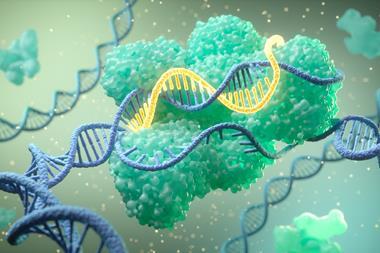
To understand how important HRRINT3 was to this process, the researchers used CRISPR gene-editing technology to remove a small section of the DNA region.
Without the enhancer, the androgen receptor became less effective at suppressing breast cancer cell growth. The team also observed wider disruption of androgen receptor signalling, alongside increased activity in genes associated with cell division.
“When we deleted this DNA ’switch’, the androgen receptor could no longer suppress breast cancer cell growth as effectively,” said co-author Dr Zeyad Nassar, a cancer researcher with Adelaide University’s SAiGENCI and SAHMRI. “We also observed broader disruption of androgen receptor signalling and increased activity of genes that drive cell division. This tells us that the enhancer is doing much more than simply controlling ZBTB16. It appears to be part of a wider regulatory network that helps the androgen receptor keep cancer cell proliferation in check.”
The effect was not limited to breast cancer cells. Removing the enhancer also increased growth in other androgen receptor-positive breast and prostate cancer cell models, suggesting that HRRINT3 could have a wider role in regulating tumour growth.
Implications for future breast cancer treatments
The findings were produced through a collaboration between Adelaide University researchers and colleagues at the University of Bordeaux in France.
They provide a clearer picture of the molecular machinery involved in the androgen receptor’s tumour-suppressing activity, which could be important as treatments targeting this receptor continue to be investigated for advanced ER+ breast cancer.
“This discovery gives us a new piece of the puzzle in understanding how the androgen receptor suppresses ER+ breast cancer,” Dr Dwyer said. “Treatments that activate the androgen receptor are already being investigated for advanced ER+ breast cancer, so understanding the molecular machinery needed for this anti-cancer effect is important. Ultimately, this work could help us develop better ways to identify and treat patients with advanced disease who have stopped responding to hormone therapies.”
Further research will now be needed to determine how these findings could translate into clinical applications, including whether the enhancer could help identify patients most likely to benefit from androgen receptor-targeting treatments.









No comments yet