



All Neuroprotection articles – Page 2
-
 Article
IL-2 and GLP-1 receptor agonist combination tackles neuroinflammation
Can targeting both regulatory and inflammatory pathways change how we treat neurodegenerative disease? Coya Therapeutics is testing that idea with its IL-2 and GLP-1 receptor agonist combination.
-
 News
NewsBVRA enzyme may slow down Alzheimer’s progression
New research from Johns Hopkins Medicine reveals that the enzyme BVRA protects brain cells from oxidative stress, allowing for potential new methods for treating neurodegenerative diseases like Alzheimer’s.
-
 News
NewsAlzheimer’s brain structure investigated through fruit flies
Scientists have used fruit flies to study 100 genes linked to Alzheimer’s disease and how these genes affect brain structure, function and stress resilience. The research could help guide new treatments in the future.
-
 News
NewsOveractive neurons linked to schizophrenia-like behaviour
Scientists have identified an overactive brain cell type linked to schizophrenia-like symptoms in mice – a discovery that could lead to new, targeted treatments to prevent cognitive impairments.
-
 Article
From wild fungi to faster drug discovery
Nature’s pharmacy has yielded half of today’s medicines, yet most of its potential remains untapped. AI is now changing how quickly new therapies can be found.
-
 News
NewsDARG cells may drive neurodegeneration in progressive MS
Scientists have discovered a rare type of brain cell that appears to drive the chronic inflammation seen in progressive multiple sclerosis – which could potentially lead to new disease-modifying therapies.
-
 News
NewsDDHD2 enables neurons to synthesise and burn fat for energy
Scientists have discovered that neurons can burn and make their own fats for energy – a finding that could lead to new treatments for rare and currently untreatable brain diseases.
-
 Article
Fighting MS progression: why GPR17 is the target to watch
Despite major advances in multiple sclerosis treatment, stopping disease progression has remained out of reach. Targeting the receptor GPR17 may harness the brain’s own repair system, offering the prospect of genuine remyelination and lasting benefit for patients.
-
 News
NewsChronic neuron overactivation drives Parkinson’s cell death
New research from Gladstone Institutes shows that chronic overactivation of dopamine-producing neurons can directly trigger their death, offering new insights into why these cells deteriorate in Parkinson’s disease which could lead to potential therapies to slow its progression.
-
 News
NewsLithium deficiency identified as key Alzheimer’s trigger
New research from Harvard Medical School shows that natural lithium deficiency in the brain may be a key early factor driving Alzheimer’s disease – which allow for the development of new approaches to preventing and reversing cognitive decline.
-
News
Targeted microglia transplant reverses signs of rare brain disorder
Stanford Medicine researchers have developed a targeted brain cell transplant that replaced most diseased microglia in mice with Sandhoff disease – extending their lifespan and reversing symptoms
-
News
New patent for traumatic brain injury drug announced
Drug discovery company, TauGen, has filed a US patent application for a new series of drug candidates targeting endoplasmic reticulum (ER) stress – a key factor in secondary brain injury following traumatic brain injury (TBI).
-
 News
NewsAI-driven Alzheimer’s therapies show promise in early studies
Porosome Therapeutics has announced new advancements in Alzheimer’s treatment – presenting therapies that restore neuronal function, reduce Tau protein levels and reverse disease pathology in human brain organoids.
-
 News
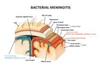
NewsMast cells: new target for preventing meningitis and brain disease
Scientists at Washington University School of Medicine have discovered that mast cells – immune cells best known for triggering allergic reactions – also help protect the brain from bacterial and viral infections. This could have important implications for treating brain infections in the future.
-
 News
NewsNew stroke drug reduces brain damage by 60 percent in preclinical study
Cambridge researchers have discovered a new drug that could dramatically improve stroke recovery by reducing brain damage caused when blood flow is restored.
-
 News
NewsNew drug GAI-17 reduces stroke-induced brain cell death
A new stroke treatment, GAI-17, developed by researchers in Japan, has shown encouraging results in reducing brain cell death and paralysis in animal models – potentially allowing for future development of treatments for other brain disorders.
-
 News
NewsMicroglia discovery offers clues to Alzheimer’s progression
Immune cells in the brain called microglia may hold the key to improving blood flow and tackling diseases like Alzheimer’s, new research from the University of Virginia suggests.
-
 News
NewsSOD1 protein found to trigger treatable Parkinson’s progression
Scientists at the University of Sydney have discovered a malfunctioning brain protein linked to Parkinson’s - which could lead to new therapies for the debilitating condition in the future.
-
 News
NewsScientists grow 3D brain that mimics the real thing
Researchers at POSTECH have developed a new 3D brain model that closely mimics the structure and function of human brain tissue – marking a major advance in early disease detection.
-
 News
NewsAstrocyte protein RTP801 linked to Alzheimer’s cognitive decline
A new study from the University of Barcelona’s Institute of Neurosciences has discovered a crucial role for the RTP801 protein in astrocytes, potentially making way for future therapies aimed at slowing or reversing cognitive decline.
- Previous Page
- Page1
- Page2
- Page3
- Next Page