


All Neurosciences articles – Page 6
-
 News
Non-invasive method images brain development in juvenile mice
Stanford researchers have developed a non-invasive method to make juvenile mice’s skin transparent, allowing repeated imaging of developing neural circuits. The breakthrough could be used to develop new treatments for neurodevelopmental disorders.
-
News
New imaging technique tracks obesity drug tirzepatide in cells
Scientists have developed fluorescent probes that reveal how dual agonist drugs like tirzepatide target cells in the pancreas and brain, offering new insights into diabetes and obesity treatments.
-
 Article
Inside the Alzheimer’s study backing stem cells, not drugs
In this first-in-human Alzheimer’s study, Wnt-activated autologous stem cells are delivered intracerebroventricularly (directly into the brain) to address neuronal loss, while also reducing amyloid and tau biomarkers and improving cognition. Early data from this regenerative approach could help early drug discovery teams shape target selection, biomarker development and trial design.
-
 News
Repurposed epilepsy drugs show potential for new autism therapies
Researchers identified hyperactivity in a specific brain region as a driver of autism-like behaviours in mice – and reversed these symptoms using drugs first designed to treat epilepsy.
-
 News
From graphene to grey matter: tech that supercharges brain organoids
Researchers at UC San Diego have discovered a graphene-based technology that accelerates the maturation of human brain organoids, offering a safer, non-invasive way to model diseases like Alzheimer’s.
-
 News
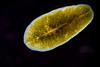
Planaria flatworms provide new way to study schizophrenia drugs
A new study has shown that small pond worms, called planaria, respond to psychiatric drugs like rodents – offering a promising new way of studying mental health conditions such as schizophrenia and addiction.
-
 News
Striosomes may hold the key to better treatments for mental disorders
Scientists have developed a new computational model that reveals how the striosomal compartment of the brain’s striatum influences decision-making – which could lead to improved therapies for psychiatric disorders.
-
 News
Researchers identify early intervention target for cerebral palsy dystonia
Researchers have developed an easy-to-use method for measuring leg dystonia in children with cerebral palsy – allowing doctors to personalise treatments more effectively.
-
 News
Evenamide targets multiple symptoms in schizophrenia models
New preclinical research suggests that evenamide – a glutamate modulator – targets hippocampal hyperexcitability, potentially addressing positive, negative and cognitive symptoms of schizophrenia.
-
 News
Lithium deficiency identified as key Alzheimer’s trigger
New research from Harvard Medical School shows that natural lithium deficiency in the brain may be a key early factor driving Alzheimer’s disease – which allow for the development of new approaches to preventing and reversing cognitive decline.
-
News
Targeted microglia transplant reverses signs of rare brain disorder
Stanford Medicine researchers have developed a targeted brain cell transplant that replaced most diseased microglia in mice with Sandhoff disease – extending their lifespan and reversing symptoms
-
News
New patent for traumatic brain injury drug announced
Drug discovery company, TauGen, has filed a US patent application for a new series of drug candidates targeting endoplasmic reticulum (ER) stress – a key factor in secondary brain injury following traumatic brain injury (TBI).
-
News
Whole-brain organoid offers breakthrough in neurological research
Johns Hopkins University scientists have engineered a new multi-region brain organoid that mimics early human brain development. The model offers a powerful new tool for studying disorders like autism, schizophrenia and Alzheimer’s disease.
-
 News
Scientists discover how 5-HT1A receptor shapes brain signalling
Researchers at Mount Sinai have mapped how the 5-HT1A serotonin receptor controls brain signalling – finding a hidden lipid ‘co-pilot’ that could lead to the development of more targeted antidepressants.
-
 News
Intersectin protein discovery may help treat cognitive disorders
Researchers have discovered that the protein intersectin plays a crucial role in organising synaptic vesicles – enabling direct communication essential for learning and memory.
-
 News
New standards for brain organoids aim to boost drug discovery
A new international framework introduces rigorous validity standards for the use of brain organoids and iPSC-derived models in studying neuropsychiatric disorders. These guidelines aim to accelerate drug discovery and bring precision treatments closer to reality.
-
 Article
The future of CNS drug development: signs of real progress
New therapeutic approaches are emerging for CNS disorders – but can they overcome the toughest barriers in drug development? Find out what is driving progress and what still stands in the way.
-
 News
Microglia replacement halts ALSP progression in landmark trials
Scientists from Fudan University have halted the progression of ALSP, a rare and fatal brain disease, using a pioneering microglia replacement therapy - marking the first effective clinical approach to tackling the disease.
-
 News
The unexpected role of FDA-approved drugs in making nanoparticles safer
Repurposing existing FDA-approved drugs could make nanomedicines safer by reducing harmful immune reactions, according to new research.
-
 News
Microglia discovery offers clues to Alzheimer’s progression
Immune cells in the brain called microglia may hold the key to improving blood flow and tackling diseases like Alzheimer’s, new research from the University of Virginia suggests.