



All Neurosciences articles – Page 2
-
 News
NewsOrganoid study reveals valproate’s impact on developing brain
German researchers have used cerebral organoids to investigate how the epilepsy medication valproate interferes with early brain development, identifying significant disruption to the extracellular matrix and neuronal maturation that may explain increased neurodevelopmental risks in exposed foetuses.
-
 Article
Beyond tangles: why soluble intracellular tau should guide drug discovery
Tau tangles are a hallmark of Alzheimer’s disease and related disorders, but evidence suggests the real damage may come from rare, soluble tau species inside neurons. Targeting these hidden drivers of circuit dysfunction could be key to restoring memory and cognition.
-
 News
NewsStudy reveals how GLP-1 drugs trigger weight loss in brain cells
NIH researchers have identified the intracellular signalling pathways through which semaglutide and other GLP-1 receptor agonists induce weight loss, revealing why patient responses vary and treatment effects plateau over time.
-
 News
NewsAI-designed viral vectors achieve 50-fold brain enrichment over AAV9
WhiteLab Genomics has presented preclinical data showing that viral vectors designed using artificial intelligence achieved approximately 50-fold higher DNA enrichment in the brain compared to AAV9, with no detectable liver signal following intravenous administration in mice.
-
 News
NewsMachine learning identifies five distinct Parkinson’s disease subtypes
A new study from VIB and KU Leuven has revealed that Parkinson’s disease comprises five distinct molecular subtypes, each requiring tailored therapeutic approaches.
-
 News
NewsNasal spray reverses age-related brain inflammation in preclinical study
Researchers at Texas A&M University have developed a nasal spray delivering extracellular vesicles that reverses neuroinflammaging in preclinical models. Two doses significantly reduced brain inflammation, restored mitochondrial function and improved memory within weeks, with effects persisting for months. The therapy bypasses the blood-brain barrier and targets inflammatory pathways whilst reactivating cellular energy production.
-
 News
NewsFGF21 hormone targets hindbrain pathways to reverse obesity
New research reveals that FGF21, a hormone under investigation for obesity and metabolic dysfunction-associated steatohepatitis (MASH), works by signalling to the hindbrain rather than the hypothalamus. The discovery of this distinct neural circuit—which increases metabolic rate rather than simply suppressing appetite—could enable development of more precise therapies with fewer adverse effects than current FGF21 analogues.
-
 News
NewsSmall molecule SK-129 targets protein aggregation in Parkinson’s disease
International researchers have identified a small molecule capable of crossing the blood-brain barrier to prevent pathological protein aggregation in Parkinson’s disease, Lewy body dementia and multiple system atrophy.
-
 News
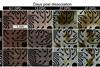
NewsScientists scale up neural organoid studies for drug testing
Researchers at King’s College London have developed a hybrid neural organoid approach that addresses longstanding limitations in scalability, reproducibility and longitudinal analysis. By dissociating 3D organoids and culturing pooled cells on microelectrode arrays, the team created 2D networks that retain cellular diversity whilst enabling consistent, long-term tracking of neural activity across parallel cultures.
-
 Webinar
What it takes to automate high-content imaging at scale
This webinar examines the design trade-offs and technical constraints involved in building a high-throughput robotic imaging pipeline for complex biological workflows.
-
 Article
Why NMDA receptor modulation remains central to next-generation depression therapies
A key player in brain communication and mood regulation, the pharmaceutical industry views the NMDAR as the central pillar for next-generation therapies for depression. Dirk Beher from FundaMental Pharma reveals new strategies for targeting this important receptor.
-
 News
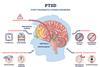
NewsPsychedelics may repair brain myelin to aid PTSD recovery
Psychedelic drugs such as psilocybin and MDMA may help repair the brain’s insulating myelin layer, according to new research.
-
 Article
How brain donation is driving autism research
To study the biological underpinnings of autism, researchers must examine the human brain itself. This article explores how Autism BrainNet supports this work through coordinated tissue donation and preservation.
-
 News
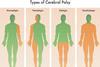
NewsStem cells from baby teeth could treat cerebral palsy
Japanese researchers have shown in a rat study that stem cells derived from naturally shed baby teeth may improve motor and cognitive impairments in chronic-phase cerebral palsy.
-
 News
NewsLario raises $2.4m for neurological drug development
Lario Therapeutics has secured $2.4 million in funding from The Michael J. Fox Foundation for Parkinson’s Research and Wellcome to accelerate development of its neuronal calcium channel platform.
-
 News
NewsMemory-linked brain cells offer new obesity target for future therapies
Scientists have identified a brain circuit that connects contextual memory with appetite, advancing understanding of binge eating and obesity while highlighting a promising new target for drug discovery.
-
 News
NewsWhy ageing must become central to Parkinson’s research
An international team of scientists is urging researchers to put ageing at the centre of Parkinson’s studies, arguing that it has been overlooked for too long.
-
 News
NewsNew SHANK3 conditional knockout mouse model launched for PMS research
A new SHANK3 conditional knockout mouse model from InnoSer, CureSHANK and Ozgene has been launched to advance research into Phelan-McDermid syndrome, other neurodevelopmental disorders and the development of new therapies.
-
 News
NewsCC023 mice reveal how ALS can develop after viral infections
Researchers have discovered a mouse strain that mirrors ALS in humans following a viral infection, offering new insights into how the disease develops, potentially opening new pathways for early diagnosis and drug development.
-
 News
NewsBrain discovery could improve drugs targeting amyloid diseases
New research shows the brain can intentionally form amyloids to store memories, challenging decades of thinking about neurodegenerative disease and pointing towards new strategies for drug discovery.