



Indiana University researchers are launching a five-year, $6 million initiative to harness artificial intelligence and machine learning for Alzheimer’s drug discovery.

A new $6 million research initiative is bringing together experts from Indiana University to develop artificial intelligence tools that could speed up the search for new treatments for Alzheimer’s disease and related dementias.
The five-year project will bring together researchers from the Indiana University School of Medicine and the Indiana University Luddy School of Informatics, Computing and Engineering. Funded by the National Institutes of Health, the collaboration aims to harness the power of AI and machine learning to identify promising drug candidates.
Researchers hope the technology will help overcome one of the biggest obstacles in drug development by enabling them to analyse large numbers of potential compounds that would take human researchers years to evaluate manually.
Using AI to explore new possibilities
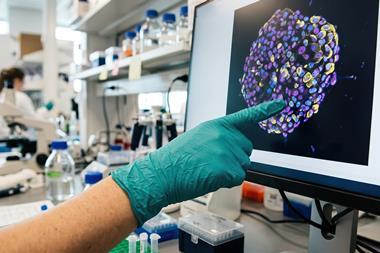
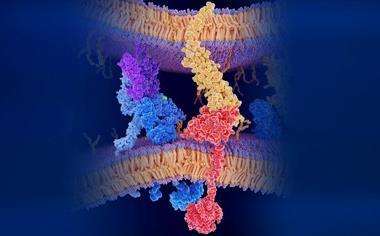
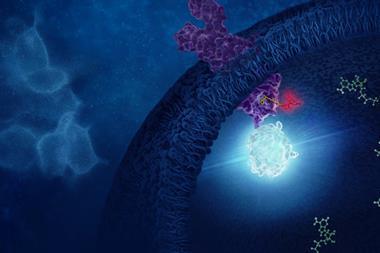
The project will combine advanced computing techniques with traditional chemistry and medical research methods. Scientists will use artificial intelligence to search for new chemical structures capable of interacting with proteins linked to Alzheimer’s disease.
According to project leader Yijie Wang, an associate professor at the Luddy School, the technology could transform the way researchers approach drug discovery.
The project will combine advanced computing techniques with traditional chemistry and medical research methods
“Traditional drug discovery methods cannot efficiently search the enormous chemical space now available to researchers,” said Wang. “Our goal is to develop AI-driven tools that can screen billions of compounds and prioritise those most likely to interact with disease-related targets and reach the brain.”
The initiative will operate alongside the Indiana University School of Medicine-led TREAT-AD programme, which is also focused on identifying new drug targets for Alzheimer’s disease.
Tackling a complex disease
Leading the chemistry component of the project is Dr Brent Clayton, Associate Research Professor of Medicine and Medicinal Chemistry Core Leader within the TREAT-AD programme.
“Alzheimer’s disease is complex and there is still ongoing scientific debate about which disease mechanisms are most important at different stages,” said Clayton. “That makes selecting the right cellular targets especially difficult. In many areas of medicine, you can focus on simply killing harmful cells or completely halting a specific process, but in neurodegenerative disease the goal is often to restore the delicate biological balance without pushing a pathway too far in either direction.”
Hope for future therapies
Although several medicines are available to help manage symptoms of Alzheimer’s disease, there is currently no approved treatment capable of stopping the underlying disease process.
Researchers believe artificial intelligence could help bridge that gap by identifying more effective drug candidates and reducing the time required for early-stage discovery.
Researchers believe artificial intelligence could help bridge that gap by identifying more effective drug candidates
“Despite these obstacles, this work has huge potential rewards,” Clayton said. “Alzheimer’s affects millions of patients, families and caregivers. It’s exciting to be part of a team at a top research university committed to taking on that challenge.”
With millions of people worldwide living with Alzheimer’s disease and related dementias, researchers hope the new AI-driven approach could help to create the next generation of treatments.






No comments yet