



News – Page 20
-
News
New imaging technique tracks obesity drug tirzepatide in cells
Scientists have developed fluorescent probes that reveal how dual agonist drugs like tirzepatide target cells in the pancreas and brain, offering new insights into diabetes and obesity treatments.
-
 News
NewsNew Zika vaccine prevents infection and organ damage
Brazilian researchers have developed a new Zika virus vaccine that is safe and effective in mice – protecting against both brain inflammation and testicular damage while avoiding cross-reactions with dengue.
-
 News
NewsCholesterol drug restores brain barrier function in 22q11.2 syndrome models
Researchers have found that mitochondrial dysfunction in the blood-brain barrier may drive neuropsychiatric disease in 22q11.2 deletion syndrome – and that a cholesterol drug could restore barrier function and ease symptoms.
-
 News
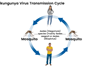
NewsChikungunya’s 2025 surge sparks urgent research response
The 2025 chikungunya outbreak has surged from the Indian Ocean to Europe, prompting an urgent global research response. With no antivirals and limited vaccine access, laboratories and biotech firms are under pressure to deliver solutions fast.
-
News
Repurposed epilepsy drugs show potential for new autism therapies
Researchers identified hyperactivity in a specific brain region as a driver of autism-like behaviours in mice – and reversed these symptoms using drugs first designed to treat epilepsy.
-
 News
NewsNew therapy targets triglycerides to prevent aneurysms
A new study shows high triglyceride levels directly cause abdominal aortic aneurysms – highlighting triglyceride-lowering therapies as a potential new treatment.
-
 News
NewsFrom graphene to grey matter: tech that supercharges brain organoids
Researchers at UC San Diego have discovered a graphene-based technology that accelerates the maturation of human brain organoids, offering a safer, non-invasive way to model diseases like Alzheimer’s.
-
 News
NewsKidney organoids reveal hidden toxicities in AAV gene therapy
Stem cell-derived kidney organoids have revealed hidden toxicities in adeno-associated virus (AAV) gene therapy delivery – offering a powerful new way to improve the safety of future treatments.
-
 News
NewsPlanaria flatworms provide new way to study schizophrenia drugs
A new study has shown that small pond worms, called planaria, respond to psychiatric drugs like rodents – offering a promising new way of studying mental health conditions such as schizophrenia and addiction.
-
 News
NewsStriosomes may hold the key to better treatments for mental disorders
Scientists have developed a new computational model that reveals how the striosomal compartment of the brain’s striatum influences decision-making – which could lead to improved therapies for psychiatric disorders.
-
 News
NewsResearchers identify early intervention target for cerebral palsy dystonia
Researchers have developed an easy-to-use method for measuring leg dystonia in children with cerebral palsy – allowing doctors to personalise treatments more effectively.
-
 News
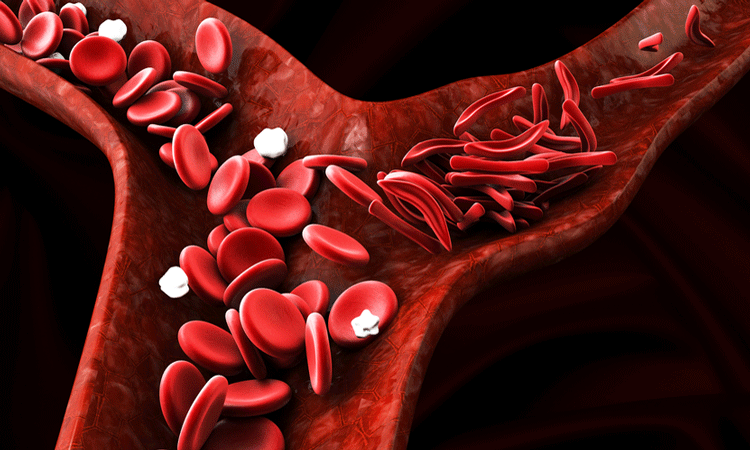
NewsNew CRISPR breakthrough could transform sickle cell treatment
Researchers at UNSW Sydney have unveiled a next-generation CRISPR tool that could lead to safer treatments for genetic disorders, including Sickle Cell.
-
 News
NewsHow to select the optimal bispecific antibody format for therapeutic success
Discover the key scientific, strategic and manufacturing factors that could decide whether your bsAb succeeds in the clinic or stalls in development.
-
 News
NewsFDA-approved asthma drug may protect against food allergy reactions
An existing asthma drug has been shown to almost completely prevent life-threatening allergic reactions to food in mice, after researchers found a previously unknown genetic pathway linked to anaphylaxis.
-
 News
NewsScientists develop 3D-printed dermis for faster burn recovery
Researchers have developed a 3D-printed ‘skin in a syringe’, using a patient’s own cells to create functional dermis that could change the way we treat severe burns.
-
 News
NewsEvenamide targets multiple symptoms in schizophrenia models
New preclinical research suggests that evenamide – a glutamate modulator – targets hippocampal hyperexcitability, potentially addressing positive, negative and cognitive symptoms of schizophrenia.
-
 News
NewsecDNA discovery targets 'zombie' cells in childhood cancers
Researchers have discovered how circular extra-chromosomal DNA drives relapse in childhood cancers and found a way to target dormant “zombie” tumour cells – which could allow for the development of more durable treatments.
-
 News
NewsNew PCAI compound targets aromatase inhibitor-resistant breast cancer
Researchers at Florida A&M University have identified a new compound – NSL-YHJ-2-27 – that disrupts key survival pathways in aromatase inhibitor-resistant breast cancer cells – offering a potential new treatment for hard-to-treat cases.
-
 News
NewsKidney tumour organoids offer new drug testing platform
Scientists in China have used 3D bioprinting to grow kidney tumours from patients’ own cells, creating realistic models that could speed up development of personalised treatments.
-
 News
NewsLithium deficiency identified as key Alzheimer’s trigger
New research from Harvard Medical School shows that natural lithium deficiency in the brain may be a key early factor driving Alzheimer’s disease – which allow for the development of new approaches to preventing and reversing cognitive decline.