



All Oncology articles – Page 8
-
 News
NewsWhy TIGIT cancer therapies work in monkeys but not humans
A new study reveals that TIGIT, a key immune checkpoint targeted by cancer drugs, behaves differently in rhesus macaques and humans, suggesting current animal tests may be misleading drug development.
-
 News
NewsTargeting p300 may boost immunotherapy in kidney cancer
Researchers have discovered how renal medullary carcinoma cells evade immunotherapy by mimicking immune cells, driving rapid tumour progression.
-
 News
NewsSamsung invests in Phrontline to advance next-gen ADC therapies
Samsung Life Science Fund has made a strategic equity investment in clinical-stage biotechnology company Phrontline Biopharma, supporting the development of next-generation antibody-drug conjugates (ADCs).
-
 News
NewsDexamethasone may halt metastases in resistant breast cancer
Researchers have discovered that dexamethasone, a widely used anti-inflammatory drug, could help combat metastases in hormone-resistant ER+ breast cancer.
-
 Article
Mapping lipid pockets to drug the undruggable proteome
Tasca Therapeutics is using chemical proteomics to map lipid-binding pockets on proteins. By targeting auto-palmitoylation, the company aims to turn previously undruggable cancer drivers into viable therapeutic targets.
-
 Article
AI and policy reform set to reshape UK drug development
BCG’s Chris Meier outlines how advances in AI and new UK policies could accelerate drug development, streamline clinical trials and strengthen the country’s life sciences sector.
-
 News
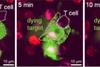
NewsNew CAR-T cell therapy capable of destroying glioblastoma cells
A new CAR-T treatment developed in Switzerland has shown striking early success against glioblastoma, one of the deadliest brain cancers, and is now moving towards human trials.
-
 News
NewsRecycled nuclear fuel to power new cancer treatments in the UK
The UK is set to turn recycled nuclear fuel into new cancer treatments, thanks to a £18.8 million investment in a project using lead-212 to develop Targeted Alpha Therapies.
-
 News
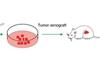
NewsPDX models: a new tool for colorectal cancer research
Patient-derived xenograft models are reshaping colorectal cancer research by preserving the complexity of real tumours, potentially helping scientists to develop new therapies in the future.
-
 News
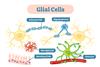
NewsBacterial traces discovered within gliomas and brain metastases
Scientists have discovered active bacterial traces inside brain tumours, overturning assumptions about the brain’s sterility and opening up new possibilities for understanding – and potentially treating – gliomas and brain metastases.
-
 News
NewsCRISPR disruption of NRF2 re-sensitises tumours to chemo
Researchers have shown that using CRISPR to disable the NRF2 gene can restore chemotherapy sensitivity and slow tumour growth.
-
 Article
Deep data not big data
Bigger isn’t always better. In drug discovery, Dr Michael Ritchie argues that the future belongs not to those with the most data, but to those who understand its biological depth.
-
 News
NewsNasal HPV vaccine could replace surgery for cervical cancer
Japanese researchers have developed a nasal HPV vaccine that could offer a non-invasive, fertility-preserving alternative to surgery for cervical cancer.
-
 Article
AI and the future of biomarker analysis in early R&D
AI is transforming biomarker analysis in early drug discovery, revealing hidden biological patterns that improve target discovery, patient selection and trial design for more precise and predictive R&D.
-
 News
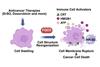
NewsFGD3 protein enhances breast cancer therapies
Scientists have identified a little-known protein, FGD3, that can boost the power of key breast cancer treatments by helping drugs rupture tumour cells and activate the immune system.
-
 News
NewsNew study shows ageing may help prevent cancer growth
Scientists at Stanford University have discovered that older mice develop far fewer and less aggressive lung tumours than younger ones, challenging the long-held belief that cancer risk rises with age.
-
 News
NewsHow antibody-drug conjugates are improving gynaecological cancer outcomes
Antibody-drug conjugates (ADCs) are emerging as a breakthrough in the fight against gynaecological cancers, offering targeted treatment for cervical, ovarian and uterine tumours.
-
 Article
Why first-void urine could potentially change the future of HPV screening
From richer biomarker content to patient-friendly sampling, first-void urine is emerging as a promising tool in precision health. Here is why scientists are paying attention.
-
 News
NewsTRβ receptor could be key to slowing prostate cancer
A thyroid hormone receptor may play a key role in prostate cancer growth, offering a potential new target for treating aggressive forms of the disease.
-
 News
NewsProtein FSP1 found to help melanoma survive in lymph nodes
New research has discovered a key survival mechanism in metastatic melanoma, revealing that cancer cells spreading to lymph nodes depend on a protein called FSP1 to avoid cell death.