



All Oncology articles – Page 4
-
 News
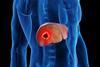
NewsMetabolic vulnerabilities identified in rare Fibrolamellar liver cancer
Researchers have identified metabolic vulnerabilities in Fibrolamellar cancer, a rare liver malignancy affecting adolescents and young adults, using functional profiling and mass spectrometry. The findings suggest chemotherapy-resistant tumours may be susceptible to metabolism-targeted therapies.
-
 News
NewsAI platform identifies novel gp130 inhibitor for colorectal cancer
An AI-assisted drug discovery platform using transfer learning has identified a promising gp130 inhibitor for colorectal cancer.
-
 Article
Why AI models need patient data to deliver in drug discovery
Despite rapid advances in AI, many drug discovery models still struggle to translate computational predictions into clinical outcomes. Thomas Clozel explains how Owkin is training AI on large-scale patient-derived data while integrating experimental and clinical validation directly into model development.
-
 News
NewsCholesterol trafficking disruption targets TP53-mutant cancers
Scientists have identified a mechanism to starve aggressive cancers by blocking cholesterol transport within tumour cells, offering a targeted approach for malignancies carrying TP53 mutations, present in half of all cancers.
-
 News
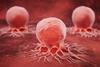
NewsNew study indentifies Golgi apparatus proteins as cancer growth drivers
Researchers at the Harrington Discovery Institute have identified cellular mechanisms involving Golgi apparatus proteins that drive cancer progression by trafficking growth factor receptors to cell surfaces.
-
 Article
AACR 2026 part one: AI design, precision biology and the next wave of oncology innovation
At AACR 2026, industry leaders discussed how oncology R&D is moving beyond isolated technological advances towards integrated discovery systems.
-
 News
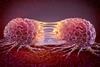
NewsRAGE receptor identified as key driver of age-related metastasis
Georgetown Lombardi researchers have identified RAGE, an inflammatory receptor, as a key mediator of age-related breast cancer metastasis.
-
 News
NewsCAR T cell therapy eliminates glioblastoma tumours in preclinical study
A next-generation CAR T cell immunotherapy targeting the urokinase receptor has eliminated treatment-resistant glioblastoma tumours in preclinical models.
-
 News
NewsYAP1 protein found to drive chemotherapy resistance in small cell lung cancer after treatment
University of Texas MD Anderson Cancer Center researchers have discovered that YAP1 protein expression emerges after chemotherapy treatment in small cell lung cancer, enabling resistant cancer cells to survive and proliferate.
-
 News
NewsProtein modifications control drug binding and efficacy in new study
New research reveals that subtle chemical changes to proteins after synthesis play a critical role in determining drug-protein interactions.
-
 News
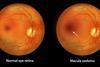
NewsBispecific antibody targets Wnt co-receptors for diabetic macular oedema treatment
Preclinical data presented at ARVO 2026 demonstrate therapeutic potential of targeting Gpr124 and Lrp6 Wnt co-receptors to restore blood-retina barrier integrity in diabetic macular oedema and wet age-related macular degeneration, with trispecific candidate NVQ501 advancing towards IND-enabling studies.
-
 Report
Organoids and Organ Chips: Improving Decision-Making in Early Drug Discovery
Traditional preclinical models do not always predict what will happen in patients. This report explores how organoids, organ-on-chip systems and advanced imaging are being used to generate more clinically relevant insights and support better decision-making earlier in drug discovery.
-
 News
NewsNew SEE-CITE technology maps drug-protein interactions with targeted precision
A UCLA-led research team has developed SEE-CITE, an advanced photo-crosslinking technology that enables direct comparison of drug-protein binding interactions, potentially aiding the discovery of safer, more effective therapeutics across multiple disease areas.
-
 News
NewsNew dual-action drug candidate extends survival in pancreatic cancer models
Researchers have developed a dual-mechanism compound that significantly extended survival in preclinical pancreatic cancer models by simultaneously activating immune responses and blocking suppressive pathways.
-
 News
NewsNew imaging reveals how immune cells destroy cancer
Cryo-expansion microscopy has enabled researchers to visualise the three-dimensional organisation of cytotoxic T lymphocytes destroying cancer cells in their near-native state, revealing nanoscale structural details of the immune synapse and cytotoxic granules that could refine immuno-oncology therapeutic strategies.
-
 News
NewsNew approach targets ‘undruggable’ proteins in prostate cancer
A novel drug design strategy has achieved binding strengths up to a million times greater than previous approaches against intrinsically disordered proteins, potentially leading to new treatments for prostate cancer and other diseases involving these historically intractable targets.
-
 News
NewsNew immune mapping reveals lung tumour microenvironment dynamics
VIB-VUB researchers have developed a patient-relevant lung adenocarcinoma model combined with SEPARATE-Seq technology to create detailed immune maps distinguishing tissue-infiltrating cells from circulating populations.
-
 News
NewsEli Lilly acquires CrossBridge Bio’s dual-payload ADC platform
Eli Lilly has acquired CrossBridge Bio, advancing a dual-payload antibody-drug conjugate platform developed at UTHealth Houston. The technology aims to deliver chemotherapy more precisely to tumour cells whilst minimising damage to healthy tissue, with lead candidate CBB-120 now positioned for accelerated clinical development.
-
 News
NewsCells use nanoparticle couriers to exchange biological information
University College Dublin researchers have discovered that cells use nanoparticle-based courier systems coated with proteins and RNA to exchange biological information. The findings detail how natural cellular gateways could be exploited to deliver therapeutic molecules to previously inaccessible locations, potentially changing the way RNA, gene and protein-based therapies work.
-
 News
NewsOntario invests $3.1M in next-generation cancer therapeutics
The Ontario Institute for Cancer Research has awarded $3.1 million to four provincial research teams developing novel cancer therapies designed to overcome drug resistance and reduce treatment-related toxicity.