



All Oncology articles – Page 2
-
 News
NewsExhausted T cells escape tumours to drive lasting cancer immunity
A preclinical study has identified a subset of exhausted, LAG3-expressing T cells capable of migrating out of tumours to establish long-term immune memory, with potential implications for LAG3-targeting cancer immunotherapies.
-
 Article
Why researchers are revisiting bisantrene decades after it was abandoned
An oncology drug abandoned decades ago is getting a second look, with new research uncovering a mechanism that could offer an alternative route to targeting MYC, one of cancer’s toughest targets.
-
 News
NewsNUS researchers identify molecular switch driving TNBC treatment resistance
Researchers at the National University of Singapore have identified DP103 as a potential molecular master switch sustaining tumour growth, cancer stem cells and treatment resistance in triple-negative breast cancer, with findings suggesting it could serve as a predictive biomarker for the investigational oral therapy RX-5902.
-
 News
NewsAGR2 and FOXM1 identified as prognostic and therapeutic targets in NF-PanNETs
A new study using single-cell RNA sequencing has identified AGR2 as a potential prognostic marker and FOXM1 as a druggable target in non-functional pancreatic neuroendocrine tumours, offering new tools to stratify patients and guide treatment strategies.
-
 News
NewsMulti-target screening refines ADC development for cervical cancer
A large-scale transcriptomic study has pinpointed distinct cell-surface targets for antibody-drug conjugate development across cervical cancer subtypes, revealing how tissue-of-origin comparisons and subpopulation analysis can uncover targets missed by conventional screening approaches.
-
 News
NewsNanomedicine for glioblastoma: overcoming the blood-brain barrier
A new review published in Chinese Neurosurgical Journal examines how nanoscale drug delivery systems could help overcome one of the most persistent obstacles in glioblastoma treatment – getting therapeutics across the blood–brain barrier and into tumour tissue.
-
 Article
Fibroblast barrier linked to immunotherapy resistance in colorectal cancer
Why do some colorectal cancers resist immunotherapy? Analysis of patient tumour samples has identified a population of fibroblasts that could help explain treatment resistance.
-
 News
NewsNew molecular glue platform broadens E3 ligase targeting for cancer drug development
Researchers at Dana-Farber Cancer Institute have developed a scalable platform for discovering molecular glue degraders, reporting the first metabolically activated example and broadening the scope of targeted protein degradation in cancer.
-
 News
NewsTargeting the roots of head and neck cancer: Why MDA-9 matters
A small molecule inhibitor developed at Virginia Commonwealth University has demonstrated the ability to eliminate cancer stem cells and reverse cisplatin resistance in preclinical models of head and neck squamous cell carcinoma, offering a potential new strategy to address one of oncology’s most persistent clinical challenges.
-
 News
NewsTriple drug combination targets cancer and senescent cells simultaneously
A three-drug combination targeting shared metabolic vulnerabilities in cancer and senescent cells has improved physical performance and extended survival in aged mice, whilst avoiding the thrombocytopenia associated with existing navitoclax-based regimens.
-
 Article
Understanding the toxicology endpoints that matter in ADC development
Antibody-drug conjugates (ADCs) present unique toxicology challenges. Learn which endpoints matter most, how they inform development decisions and why they are essential for building a robust nonclinical safety strategy.
-
 Article
Inside one of the most comprehensive human proteome atlases to date
Understanding where proteins are expressed throughout the body is critical for selecting better drug targets. Here’s how a new human proteome atlas could improve target selection, predict toxicity and support drug repurposing.
-
 News
NewsAmino acid sensor discovery could unlock new targeted cancer therapies
Researchers have uncovered how cells sense amino acids and activate the mTORC1 growth pathway, identifying LARS1 phosphorylation as a critical upstream switch with implications for more precise cancer drug development.
-
 Article
How spatial biology is tracking antibody drugs inside tumours
Many antibody therapies fail to reach all cancer cells within solid tumours. Researchers have developed a spatial biology technique that maps antibody distribution alongside the tumour microenvironment to investigate why.
-
 News
NewsNew bispecific T cell engager platform targets ovarian cancer in preclinical studies
Scientists at The Wistar Institute have engineered a DNA-delivered bispecific T cell engager using a ‘knob-into-hole’ antibody platform, demonstrating improved persistence and dual-antigen targeting in preclinical ovarian cancer models.
-
 News
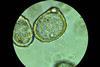
NewsTumour organoids may expand access to targeted cancer drugs
Two studies from Weill Cornell Medicine demonstrate that patient-derived tumour organoids can accurately replicate cancers long-term and incorporate immune microenvironments, offering new potential for personalised treatment selection.
-
 News
NewsSpatial map reveals hidden complexity of bladder cancer tumours
Researchers at MD Anderson Cancer Center have used spatial transcriptomics to chart the internal architecture of muscle-invasive bladder cancer, revealing that luminal and basal cancer cell programmes coexist within single tumours – a finding with significant implications for treatment stratification.
-
 News
NewsCrown Bioscience joins C-Path coalition advancing regulatory NAMs acceptance
Crown Bioscience has joined the Critical Path Institute’s New Approach Methodologies Developer Coalition, bringing patient-derived model expertise and biomarker capabilities to efforts aimed at establishing regulatory qualification frameworks for human-relevant research tools.
-
 News
NewsNTX-301 targets treatment-resistant AML via Hippo pathway in preclinical study
A novel epigenetic therapy has demonstrated activity against treatment-resistant acute myeloid leukaemia in preclinical models, including high-risk TP53-mutant disease, by selectively reactivating the Hippo tumour-suppressor pathway.
-
 News
NewsNew BET therapies could help beat resistance in solid cancers
A new review finds that next-generation BET-targeted therapies, including selective inhibitors and PROTACs, are addressing the clinical shortcomings of earlier compounds and reviving interest in this approach for solid tumour treatment.