A rare liver cancer that primarily affects young people may soon have a new treatment option, after researchers found that an existing FDA-approved drug could enable immunotherapy to work effectively against tumours.
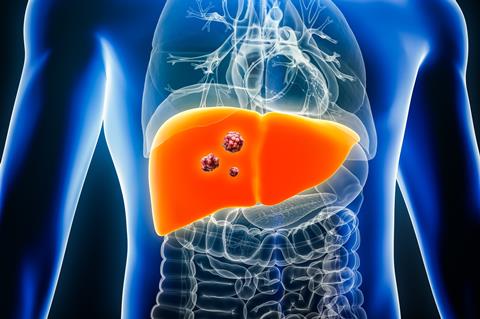
Immunotherapy has so far been ineffective against fibrolamellar carcinoma, a rare and often fatal form of liver cancer. However, a new study from Cornell University suggests that an existing drug approved by the US Food and Drug Administration (FDA) may enable immunotherapy to function, providing a potential new treatment option for people suffering with the disease.
Fibrolamellar carcinoma primarily affects children and young adults and accounts for up to 2 percent of all liver cancers. There is currently no cure and by the time it is detected the disease has often already metastasised, leaving patients with a short life expectancy.
Why immunotherapy has failed
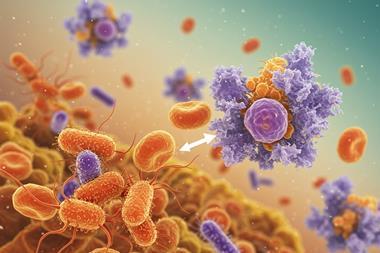
The researchers discovered that fibrolamellar tumours rewire their local microenvironments in a way that prevents the immune system’s T cells from reaching and attacking cancer cells. Instead, the T cells become trapped away from the tumour in a process known as T-cell exclusion.
Immune checkpoint inhibitors, a type of immunotherapy, are designed to activate the body’s T cells and direct them into the core of a tumour to destroy cancer cells.
Immune checkpoint inhibitors, a type of immunotherapy, are designed to activate the body’s T cells and direct them into the core of a tumour to destroy cancer cells. These treatments have been highly effective against several cancers including those of the liver, lung, kidney, bladder and also melanoma. Yet others, such as pancreatic, prostate and brain cancers, are often resistant to it.
The tumour microenvironment and the sequestration of T cells are now believed to be key reasons why some cancers fail to respond.
“Our results provide among the first indications of why a type of immunotherapy called immune checkpoint inhibition hasn’t worked well in these patients, and even if this particular drug isn’t the end-all-be-all, it teaches us that this T-cell exclusion phenomenon is an important one to tackle in fibrolamellar carcinoma,” said Praveen Sethupathy, Professor of Physiological Genomics at Cornell University and the paper’s co-senior author.
An existing drug shows promise
The team identified AMD3100, a drug currently used to treat a different disorder, as a potential way to overcome this barrier. In experiments using slices of tumour tissue taken from patients, the researchers found that AMD3100 successfully mobilised T cells into the core of the tumour.
The findings suggest that preventing T-cell exclusion may be crucial to making immunotherapy effective for patients with fibrolamellar carcinoma.
When AMD3100 was combined with immune checkpoint inhibition, the effect was even stronger. The dual approach further activated T cells and led to a significant increase in tumour cell death.
The findings suggest that preventing T-cell exclusion may be crucial to making immunotherapy effective for patients with fibrolamellar carcinoma.
“A compelling feature of this work is that AMD3100 is already FDA-approved, which can reduce risks and potentially speed up timelines for clinical trials in fibrolamellar carcinoma,” said Sethupathy.
Sethupathy and his colleagues are now seeking liver cancer clinicians interested in launching clinical trials to test the treatment combination in patients.